Intermittent fasting has become one of the most popular health and wellness trends in recent years. Unlike traditional diets that focus on what you eat, intermittent fasting focuses on when you eat. Many women are now exploring this eating pattern to improve their overall health, maintain a healthy weight, and boost energy levels. However, the benefits of intermittent fasting for women’s bodies go beyond weight management. When practiced correctly, it can support metabolism, improve hormone balance, and enhance overall well-being.
This guide explains the major intermittent fasting benefits for women’s bodies and offers practical tips for getting started safely.
What Is Intermittent Fasting?
Intermittent fasting is an eating schedule that alternates between periods of eating and fasting. Popular methods include the 16:8 approach, where you fast for 16 hours and eat during an 8-hour window, and the 12:12 method, which is often recommended for beginners. During fasting hours, people usually drink water, black coffee, or unsweetened tea while avoiding calorie-containing foods and beverages.
Unlike restrictive diets, intermittent fasting allows flexibility and encourages mindful eating habits.
Supports Healthy Weight Management
One of the biggest intermittent fasting benefits for women’s bodies is its ability to support healthy weight management. Fasting naturally reduces the eating window, which may help lower daily calorie intake without strict food restrictions.
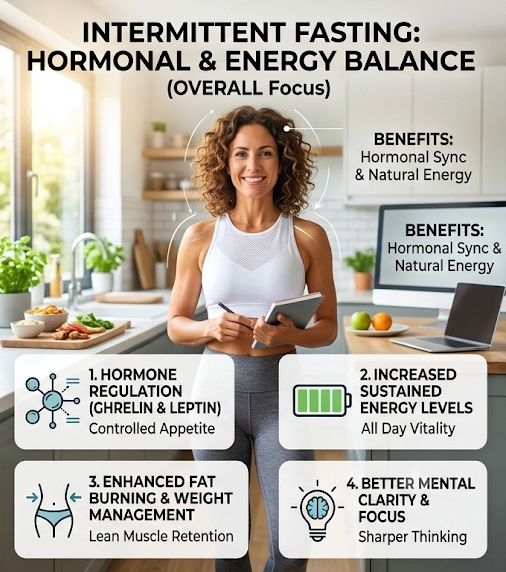
Additionally, fasting encourages the body to use stored fat for energy after glycogen stores are depleted. Combined with regular physical activity and a balanced diet, intermittent fasting may help reduce body fat while preserving lean muscle mass.
May Improve Hormonal Health
Hormonal balance plays a crucial role in women’s health. Healthy eating habits, adequate sleep, and stress management are all essential, and intermittent fasting may contribute positively when done in moderation.
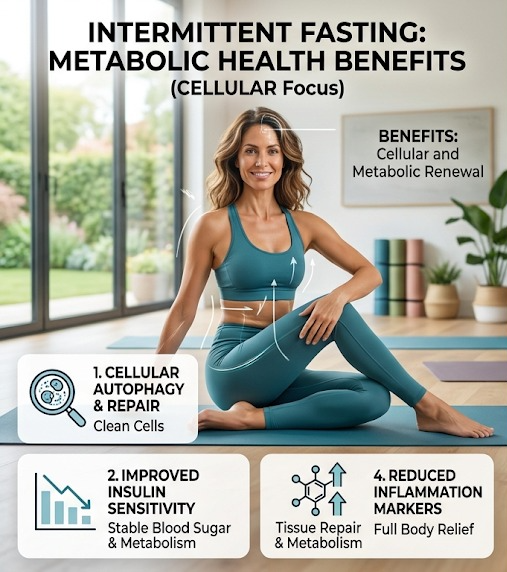
Some women report improved insulin sensitivity, which helps regulate blood sugar levels and may reduce the risk of insulin resistance. Stable blood sugar levels can also help reduce energy crashes and excessive hunger throughout the day.
However, women should avoid overly long fasting periods, as excessive fasting may negatively affect hormones in some individuals.
Increases Energy and Mental Focus
Many women notice improved concentration and mental clarity after adapting to intermittent fasting. During fasting, the body becomes more efficient at utilizing stored energy, which may reduce fluctuations in blood sugar that often lead to fatigue.
A consistent fasting routine may also encourage healthier meal planning, leading to improved nutrition and sustained energy throughout the day.
Promotes Better Heart Health
Heart health is essential for women at every age. Intermittent fasting may help improve several markers associated with cardiovascular health, including healthy cholesterol levels, blood pressure, and blood sugar control.
When paired with a diet rich in fruits, vegetables, whole grains, lean proteins, and healthy fats, intermittent fasting can become part of a heart-friendly lifestyle.
Supports Healthy Digestion
Giving the digestive system regular breaks may help improve digestive comfort for some individuals. Many women experience reduced bloating and better digestion when they avoid constant snacking throughout the day.
Fasting periods also encourage mindful eating, making it easier to recognize true hunger and fullness signals.
Encourages Healthy Lifestyle Habits
Intermittent fasting often inspires healthier daily routines. Women who follow a structured eating schedule may become more conscious of food quality, hydration, sleep, and physical activity.
Rather than relying on processed snacks, many choose nutrient-rich meals that provide vitamins, minerals, protein, fiber, and healthy fats, supporting long-term wellness.
Tips for Women Starting Intermittent Fasting
If you’re new to intermittent fasting, begin gradually. Start with a 12-hour fasting window before progressing to longer schedules if appropriate. Stay hydrated by drinking plenty of water, and focus on balanced meals during eating periods.
Women who are pregnant, breastfeeding, underweight, or managing certain medical conditions should consult a healthcare professional before beginning intermittent fasting.
Listening to your body is essential. If fasting causes persistent fatigue, dizziness, or menstrual irregularities, adjust your eating schedule or seek medical advice.
The benefits of intermittent fasting for women’s bodies extend beyond weight loss. When practiced responsibly, intermittent fasting may support healthy weight management, improve insulin sensitivity, enhance mental focus, promote heart health, and encourage healthier eating habits. Every woman’s body is unique, so finding a sustainable fasting routine that matches your lifestyle and nutritional needs is the key to long-term success.
Liver Cancer Symptoms Cause and Remedy
Read Also: Medical Website Design