As you enter your 30s, you may begin to notice subtle changes in your skin. Fine lines become more visible, your skin may lose firmness, and it might not look as radiant as it once did. One of the biggest reasons behind these changes is collagen loss. Since collagen is the primary protein responsible for keeping your skin firm, smooth, and elastic, maintaining healthy collagen levels becomes essential during this stage of life.
In this guide, you’ll learn practical and effective ways to stop collagen loss in your 30s and maintain healthy, youthful-looking skin naturally.
Why Does Collagen Loss Begin in Your 30s?
Your body creates collagen on its own during your early years. However, after the age of 25, collagen production starts to decline by about 1% every year. By the time you reach your 30s, this gradual reduction becomes more noticeable.
Several lifestyle and environmental factors can accelerate collagen breakdown, including excessive sun exposure, smoking, poor nutrition, stress, lack of sleep, and pollution. Understanding these causes is the first step toward protecting your skin.
Eat a Collagen-Friendly Diet
Nutrition plays a vital role in supporting collagen production. Instead of relying only on supplements, focus on eating foods that provide the nutrients your body needs to produce collagen naturally.
Include foods rich in vitamin C such as oranges, strawberries, kiwi, and bell peppers. Protein-rich foods like eggs, fish, chicken, beans, and lentils supply amino acids needed for collagen formation. Healthy fats from nuts, seeds, avocados, and olive oil also help maintain skin elasticity.
Adding bone broth, leafy greens, berries, and tomatoes to your meals can further support healthy skin.
Protect Your Skin from UV Damage
Sun exposure is one of the leading causes of premature collagen breakdown. Ultraviolet (UV) rays damage collagen fibers deep within the skin, leading to wrinkles, sagging, and uneven texture.
Make sunscreen a daily habit, even on cloudy days. Select a broad-spectrum sunscreen with an SPF of 30 or higher. Wearing sunglasses, hats, and protective clothing while spending time outdoors provides an extra layer of protection against harmful UV rays.

Follow a Consistent Skincare Routine
A good skincare routine can significantly reduce collagen loss over time. Gentle cleansing removes dirt and excess oil without damaging the skin barrier.
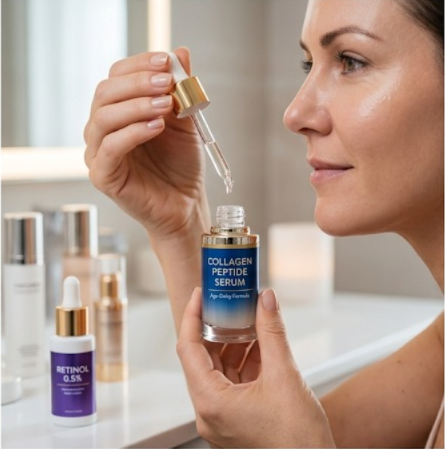
Use products containing ingredients like retinol, peptides, vitamin C, and hyaluronic acid. Retinol encourages collagen production, vitamin C protects against free radical damage, peptides support skin repair, and hyaluronic acid keeps the skin hydrated and plump.
Consistency is more important than using many products. A simple routine followed daily often delivers the best long-term results.
Get Enough Sleep and Manage Stress
Sleep is when your body repairs damaged tissues, including the skin. Poor sleep can reduce collagen production and speed up skin aging.
Aim for seven to nine hours of quality sleep each night. At the same time, manage stress through meditation, yoga, regular exercise, or relaxing hobbies. Chronic stress increases cortisol levels, which may contribute to collagen breakdown and premature aging.
Stay Hydrated and Avoid Harmful Habits
Hydration helps maintain healthy, resilient skin. Drinking enough water throughout the day supports skin function and improves its overall appearance.
Avoid smoking and limit alcohol consumption, as both can significantly damage collagen fibers and reduce skin elasticity. Making healthier lifestyle choices not only benefits your skin but also improves your overall well-being.
Should You Consider Collagen Supplements?
Collagen supplements have become increasingly popular, and some studies suggest they may improve skin hydration and elasticity when taken consistently. However, supplements work best when combined with a healthy diet, proper skincare, and a balanced lifestyle.
Before starting any supplement, consult a healthcare professional, especially if you have underlying medical conditions or dietary restrictions.
Stopping collagen loss in your 30s is not about preventing aging—it is about slowing the process through healthy daily habits. Eating nutrient-rich foods, protecting your skin from the sun, following a consistent skincare routine, staying hydrated, getting enough sleep, and avoiding harmful habits can all help preserve your skin’s natural collagen.
Liver Cancer Symptoms Cause and Remedy
Read Also: Medical Website Design