
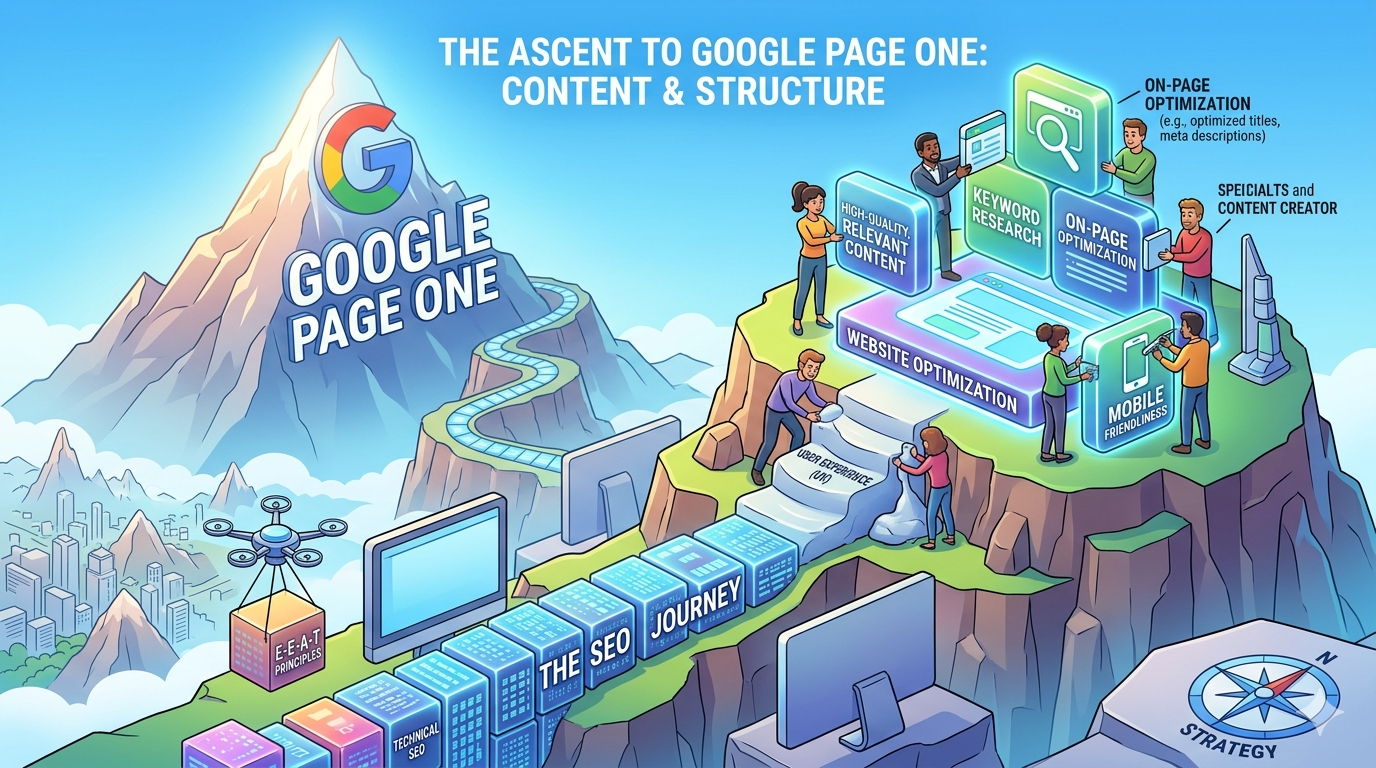
Getting your website on Google’s first page is one of the most effective ways to increase organic traffic, generate leads, and grow your business. With millions of websites competing for attention, achieving a top position requires a smart and consistent SEO strategy. In this guide, you’ll learn the most effective techniques to improve your rankings and reach Google Page One.
Understand Google’s Ranking Factors
Google uses hundreds of ranking factors to determine which websites deserve top positions in search results. Some of the most important factors include content quality, website speed, mobile responsiveness, user experience, backlinks, and keyword relevance.
By focusing on these core SEO elements, you can significantly improve your chances of ranking higher in search engine results pages (SERPs).
Perform Comprehensive Keyword Research
Every effective SEO effort starts with keyword research. Start by identifying the search terms your target audience uses when looking for products, services, or information related to your niche.
Use keyword research tools to find:
- High-volume keywords
- Long-tail keywords
- Low-competition keywords
- Search intent-based keywords
Include your primary keyword naturally in the title, headings, meta description, URL, and throughout the content.
Create High-Quality and Valuable Content
Content remains one of the strongest ranking signals. Google prioritizes content that provides useful, accurate, and engaging information to users.
To create SEO-friendly content:
- Write original articles
- Answer user questions clearly
- Use proper headings and subheadings
- Add relevant images and videos
- Update old content regularly
Long-form content often performs better because it covers topics in greater depth and satisfies user intent more effectively.
Optimize On-Page SEO Elements
On-page SEO helps search engines understand your content and improve visibility.
Key on-page optimization techniques include:
Optimize Title Tags
Create compelling titles that include your target keyword near the beginning.
Write Effective Meta Descriptions
A well-written meta description encourages users to click on your website from search results.
Use Header Tags Properly
Structure your content with H1, H2, and H3 tags to improve readability and SEO.
Optimize Images
Compress images and use descriptive alt text containing relevant keywords.
Improve Website Speed and Mobile Experience
Website performance directly impacts rankings and user satisfaction. A slow-loading website can increase bounce rates and reduce conversions.
To improve speed:
- Compress images
- Enable browser caching
- Use a content delivery network (CDN)
- Minify CSS and JavaScript files
Additionally, ensure your website is fully mobile-friendly, as Google uses mobile-first indexing.
Build High-Quality Backlinks
Backlinks are still one of the most effective ranking variables. When reputable websites link to your content, Google views your site as trustworthy and authoritative.
Effective link-building strategies include:
- Guest posting
- Creating shareable content
- Digital PR campaigns
- Resource page outreach
- Building industry relationships
Focus on earning quality backlinks rather than acquiring large quantities of low-quality links.
Enhance User Experience (UX)
Users should receive the best search results from Google. A positive user experience can improve engagement metrics such as time on site and page views.
Improve UX by:
- Creating easy navigation
- Using clear calls-to-action
- Reducing intrusive popups
- Improving readability
- Ensuring responsive design
Happy visitors are more likely to stay longer and interact with your content.
Monitor Performance and Continuously Improve
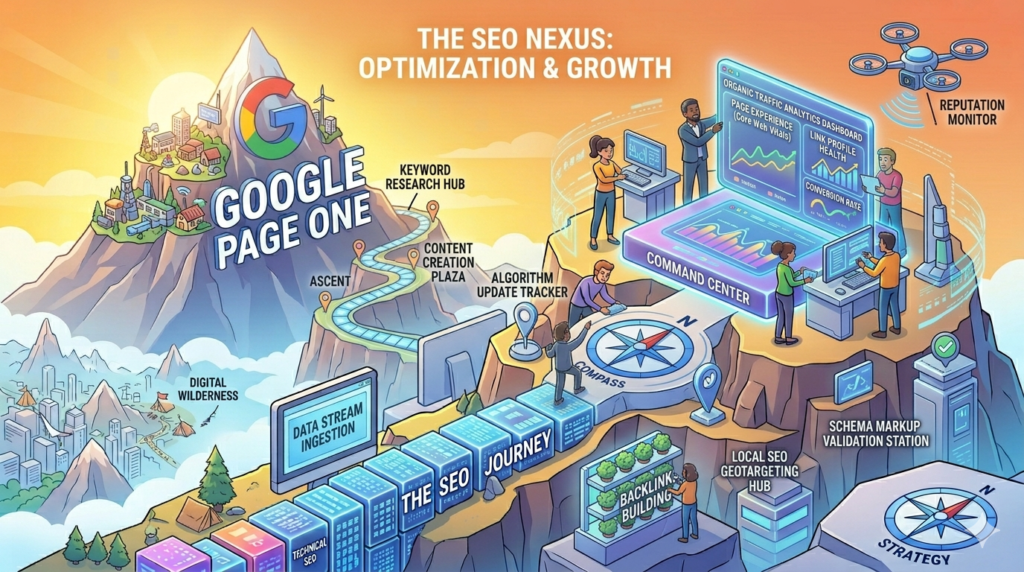
SEO is not a one-time activity. Regularly track your website’s performance using analytics and search console tools.
Monitor key metrics such as:
- Organic traffic
- Keyword rankings
- Click-through rate (CTR)
- Bounce rate
- Conversion rate
Use this data to identify opportunities for improvement and refine your SEO strategy over time.
Rank on Google Page One requires a combination of quality content, strategic keyword targeting, technical optimization, backlink building, and excellent user experience. By consistently applying these proven SEO techniques, you can increase your website’s visibility, attract more organic traffic, and achieve long-term success in search engine rankings.
Effects of AI in Upcoming Technology
Manhole – Essential Access Points in Urban Infrastructure
RCPC Manhole Covers and Frames
Read Also : Social Network Website Design