As technology continues to evolve, cyber threats are becoming more sophisticated than ever before. In 2026, individuals and businesses face increasing risks from ransomware, phishing attacks, data breaches, and AI-powered cybercrime. Protecting sensitive information is no longer optional—it is a necessity. By following the latest cybersecurity best practices, users can significantly reduce their risk of becoming victims of cyberattacks.
1. Use Strong and Unique Passwords
Strong passwords are one of the most effective and straightforward cybersecurity tactics. Avoid using common passwords such as “123456” or personal information like birthdays. Instead, use a combination of uppercase and lowercase letters, numbers, and special characters.
A password manager can help generate and securely store unique passwords for each account. This prevents hackers from accessing multiple accounts if one password becomes compromised.
2. Enable Multi-Factor Authentication (MFA)
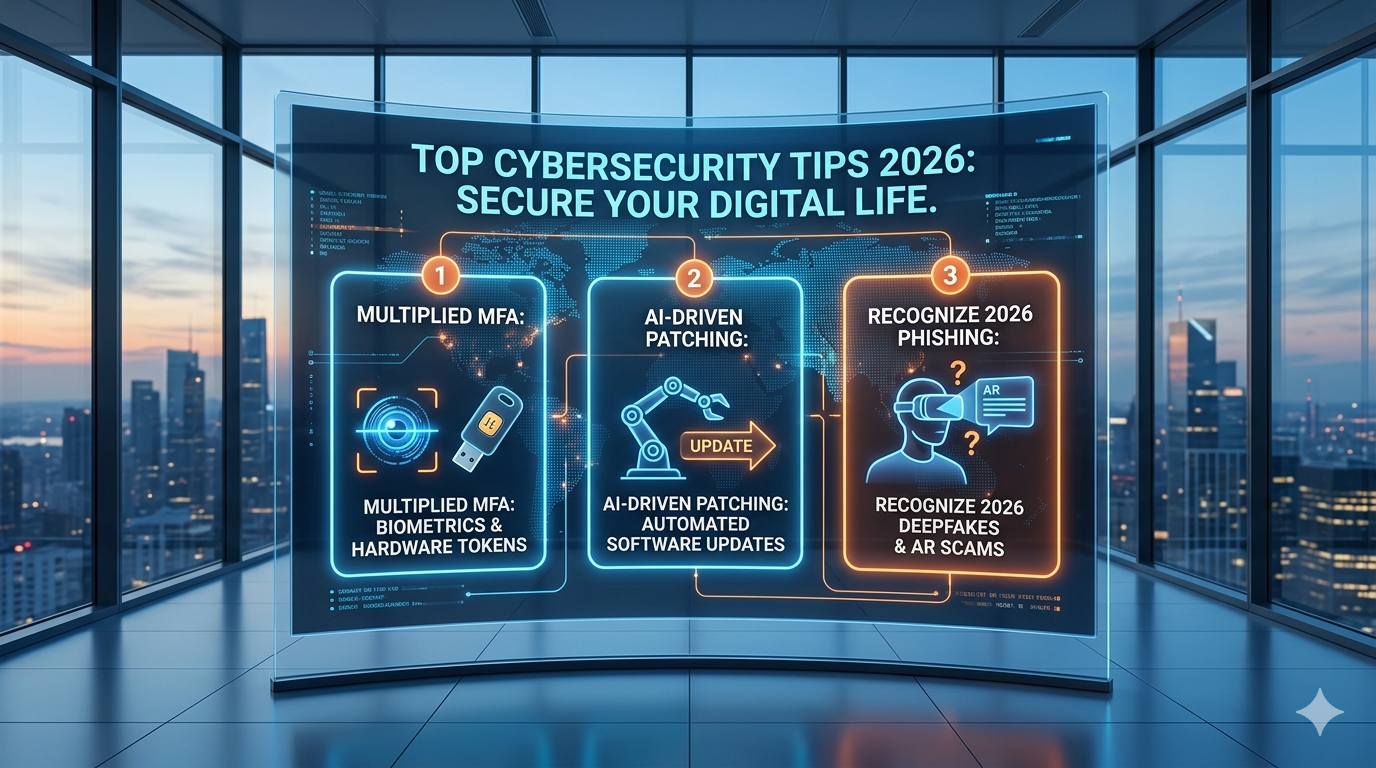
Multi-factor authentication adds an extra layer of security beyond a password. Even if cybercriminals obtain your login credentials, they cannot access your account without the second verification step, such as a code sent to your mobile device or generated through an authentication app.
In 2026, MFA remains one of the most effective defenses against unauthorized account access.
3. Keep Software and Devices Updated
Software updates often include critical security patches that fix vulnerabilities discovered by developers. Outdated operating systems, browsers, and applications are common targets for hackers.
Enable automatic updates whenever possible to ensure your devices receive the latest security improvements and bug fixes without delay.
4. Be Aware of AI-Powered Phishing Scams
Artificial intelligence has transformed cybercrime. Modern phishing emails and messages can now mimic legitimate communications with remarkable accuracy. Attackers use AI to create convincing emails, fake websites, and even voice impersonations.
Before clicking links or downloading attachments, always check the sender’s identity. If a message appears to be suspicious, get in touch with the company directly through authorized channels.

5. Secure Your Home and Business Networks
A secure network forms the foundation of cybersecurity. Update your router firmware frequently, turn on WPA3 encryption, and change the default router passwords.
Businesses can identify strange behavior before it turns into a major security event by using network segmentation and monitoring tools.
6. Backup Important Data Regularly
Ransomware attacks continue to threaten organizations and individuals worldwide. Regular backups ensure that important files can be restored without paying cybercriminals.
Follow the 3-2-1 backup rule: keep three copies of your data, store them on two different media types, and maintain one offsite or cloud backup for disaster recovery.
7. Protect Personal Information on Social Media
Oversharing information on social media can provide cybercriminals with valuable details for identity theft and social engineering attacks. Avoid posting sensitive information such as phone numbers, addresses, travel plans, or financial details.
Review privacy settings regularly and limit who can view your personal content.
8. Use Reliable Antivirus and Endpoint Protection
Modern cybersecurity solutions provide real-time protection against malware, ransomware, spyware, and other digital threats. Choose reputable antivirus software and ensure it remains updated.
Businesses should also invest in advanced endpoint detection and response solutions to identify and contain threats quickly.
9. Educate Yourself and Your Team
Human error remains one of the leading causes of security breaches. Regular cybersecurity awareness training helps individuals recognize threats and respond appropriately.
Organizations should conduct security workshops, phishing simulations, and ongoing employee education programs to strengthen their security culture.
Cybersecurity in 2026 requires a proactive approach. As cyber threats become more advanced, individuals and businesses must stay informed and adopt strong security practices. Using secure passwords, enabling multi-factor authentication, maintaining updated software, backing up data, and remaining vigilant against phishing scams can significantly improve online safety. By implementing these Cybersecurity Tips, users can better protect their digital assets and reduce the risk of costly cyberattacks in an increasingly connected world.
Effects of AI in Upcoming Technology
Manhole – Essential Access Points in Urban Infrastructure
RCPC Manhole Covers and Frames
Read Also : Social Network Website Design