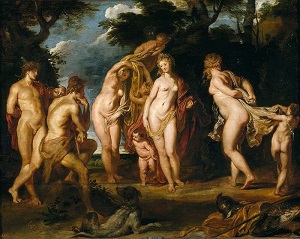
Greek mythology is one of the most fascinating collections of stories ever created. Filled with powerful gods, brave heroes, terrifying monsters, and epic adventures, these myths have influenced literature, art, and culture for thousands of years. One interesting concept often associated with mythology is the idea of a vestige—a remaining trace, mark, or symbol of something from the past. In Greek mythology, vestiges can be found in ancient ruins, sacred artifacts, legendary locations, and stories that continue to shape modern civilization.
Understanding the Meaning of Vestige
The word “vestige” refers to a remnant or evidence of something that once existed. In the context of Greek mythology, vestiges are the lasting signs of divine actions, heroic deeds, and mythical events. These remnants help preserve the rich history of ancient Greece and allow future generations to connect with legendary tales.
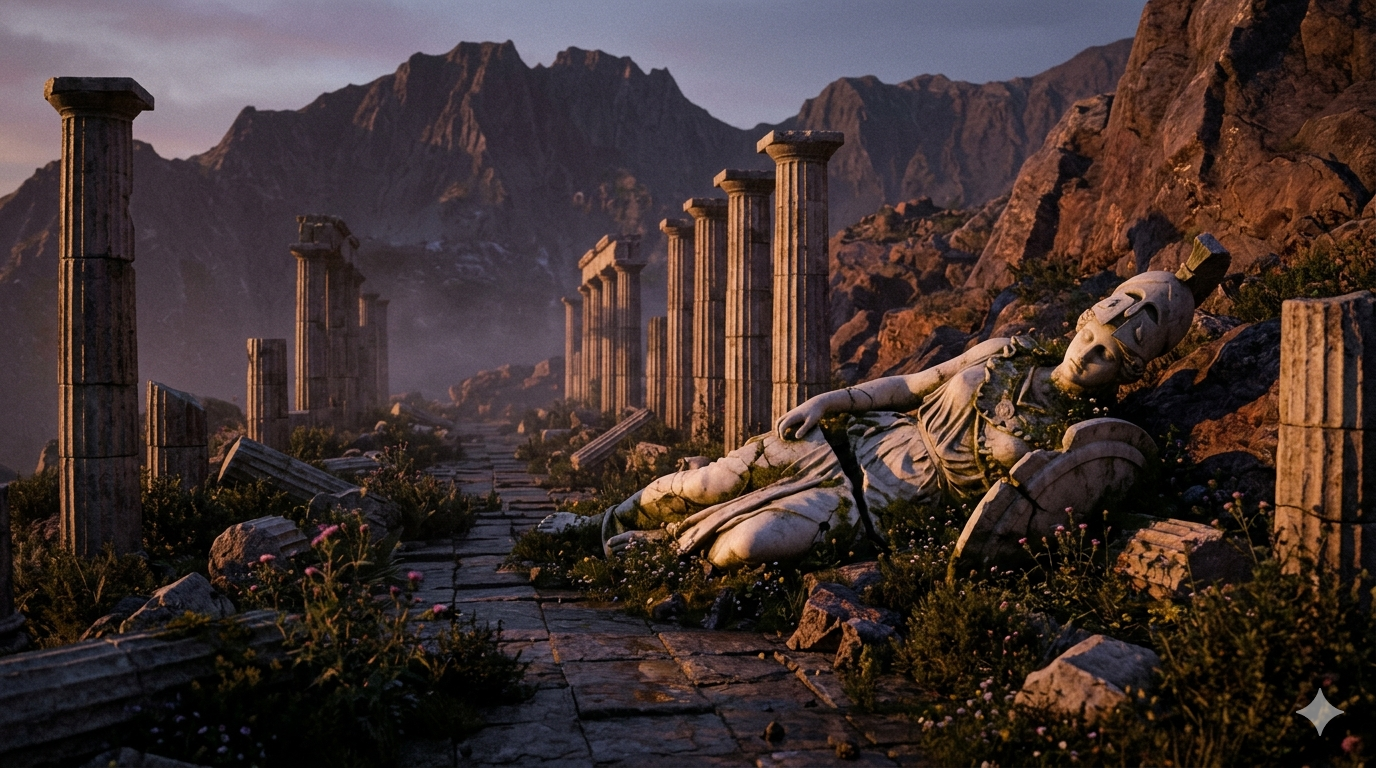
From ruined temples dedicated to Zeus and Athena to ancient sculptures depicting mythological scenes, vestiges serve as physical and cultural reminders of Greece’s mythical past.
Sacred Places as Vestiges of the Gods
Many locations in Greece are considered vestiges of mythological history. Ancient temples and sanctuaries were built to honor the Olympian gods and are still admired today.
The Temple of Zeus at Olympia is one such example. According to mythology, Zeus ruled the heavens and was the king of the gods. Although much of the temple now lies in ruins, it remains a powerful vestige of ancient religious beliefs and worship practices.
Similarly, the Acropolis of Athens stands as a lasting symbol of Athena, the goddess of wisdom and warfare. The Parthenon, dedicated to Athena, represents one of the most significant vestiges of Greek mythology and ancient civilization.
Mythological Artifacts and Their Legacy
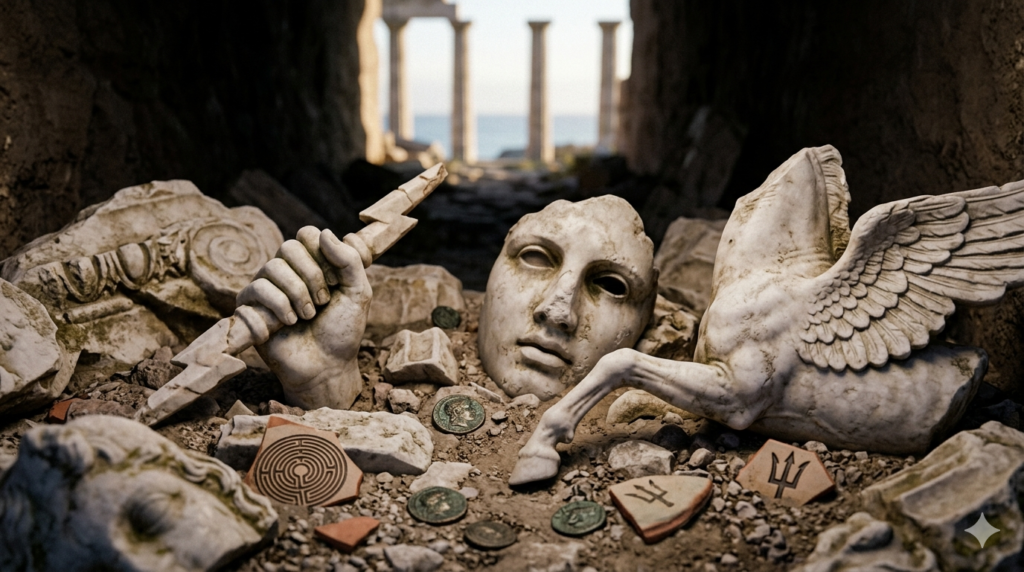
Legendary narratives were forever changed by the enchanted items and divine weaponry that are often referenced in Greek mythology. These artifacts can be viewed as symbolic vestiges of supernatural power.
Examples include Zeus’s thunderbolt, Poseidon’s trident, and Hermes’ winged sandals. While these objects are mythical rather than historical, they remain deeply embedded in popular culture and continue to inspire books, films, and artwork worldwide.
The stories surrounding these legendary items serve as cultural vestiges, preserving the values, beliefs, and imagination of ancient Greek society.
Heroes and Their Enduring Influence
Greek mythology is famous for heroic figures whose adventures have survived through generations. Heroes such as Heracles, Perseus, and Odysseus left behind more than stories; they created lasting vestiges of courage, determination, and resilience.
Heracles’ Twelve Labors symbolize overcoming impossible challenges. Odysseus’ journey home in the epic “Odyssey” reflects perseverance and intelligence. These narratives continue to inspire modern audiences, making them enduring vestiges of ancient wisdom.
Through literature and education, the legacy of these heroes remains alive, demonstrating how mythology can transcend time.
The Cultural Vestige of Greek Mythology
Perhaps the greatest vestige of Greek mythology is its influence on modern culture. Countless words, symbols, artworks, and storytelling traditions have roots in ancient Greek myths.
Many companies, sports teams, educational institutions, and entertainment franchises draw inspiration from Greek gods and heroes. Terms such as “Achilles’ heel” and “Titanic” originate directly from mythological references. Movies, novels, and video games continue to adapt these ancient tales for contemporary audiences.
This ongoing influence proves that Greek mythology is not merely a collection of old stories but a living cultural force that continues to shape human creativity.
The concept of Vestige Greek Mythology highlights the enduring traces left behind by ancient legends, sacred places, mythical artifacts, and heroic tales. These remnants connect modern society to a fascinating world of gods and heroes that once captured the imagination of an entire civilization. Whether found in historical ruins, cultural traditions, or modern storytelling, the vestiges of Greek mythology continue to inspire curiosity, learning, and appreciation for one of history’s greatest mythological traditions.
Confucius the Chinese Philosopher
Spirituality and Self-Consciousness
Read Also: Astrology And Tantra Website Design