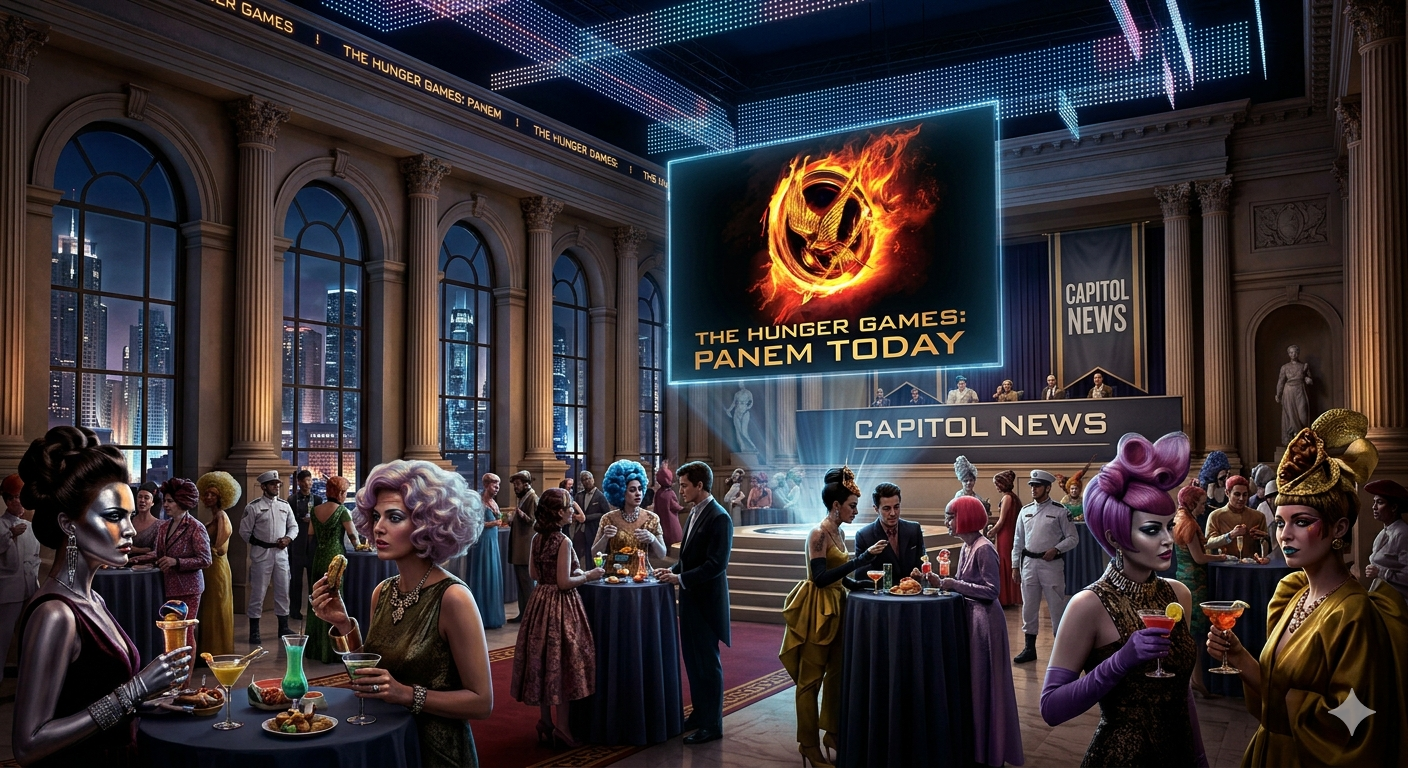
The Hunger Games Movies have become one of the most popular dystopian film franchises in modern cinema. Based on the bestselling novels by Suzanne Collins, the series combines action, drama, survival, and social commentary to create an unforgettable viewing experience. Since the release of the first film in 2012, millions of fans around the world have followed the journey of Katniss Everdeen as she fights against oppression and injustice.
What Is The Hunger Games About?
The Hunger Games is set in the fictional nation of Panem, a society divided into districts controlled by a powerful Capitol. Every year, the Capitol hosts a brutal competition known as the Hunger Games, where young participants from each district are forced to fight to the death until only one survivor remains.
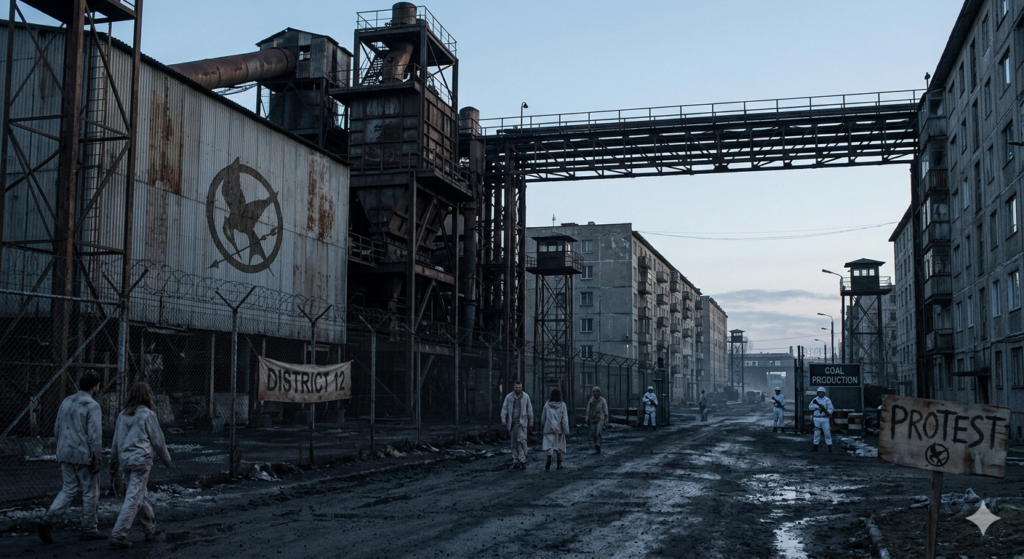
The story follows Katniss Everdeen, a courageous teenager from District 12 who volunteers to take her sister’s place in the deadly games. Her actions spark hope among the oppressed districts and eventually lead to a rebellion against the Capitol.
The Hunger Games Movie Series
The franchise consists of several successful films that tell the complete story of Katniss and the revolution she inspires.
1. The Hunger Games (2012)
The first movie introduces audiences to Panem and the deadly competition. Katniss and Peeta Mellark represent District 12 in the 74th Hunger Games. Their determination and survival skills make them fan favorites and challenge the Capitol’s authority.
2. The Hunger Games: Catching Fire (2013)
In the second film, Katniss becomes a symbol of resistance. The Capitol sees her growing influence as a threat and forces her back into a special edition of the Hunger Games known as the Quarter Quell. This movie expands the story and sets the stage for rebellion.
3. The Hunger Games: Mockingjay – Part 1 (2014)
As conflict spreads across Panem, Katniss becomes the Mockingjay, the face of the revolution. The film focuses on political struggles, propaganda, and the growing fight against President Snow and the Capitol.
4. The Hunger Games: Mockingjay – Part 2 (2015)
The final chapter brings the rebellion to its climax. Katniss and her allies launch a dangerous mission to overthrow the Capitol and end its tyranny. The movie delivers intense action, emotional moments, and a satisfying conclusion to the series.
5. The Ballad of Songbirds and Snakes (2023)
This prequel explores the early life of Coriolanus Snow before he became the ruthless ruler of Panem. The film provides deeper insight into the origins of the Hunger Games and the events that shaped the future of the nation.
Why The Hunger Games Movies Are So Popular
One of the biggest reasons for the success of The Hunger Games movies is their strong storytelling. The films combine thrilling action sequences with meaningful themes such as freedom, inequality, power, and sacrifice.
Jennifer Lawrence’s portrayal of Katniss Everdeen received widespread praise and helped make the character one of the most iconic heroines in modern film history. The supporting cast, visual effects, and emotional depth also contributed to the franchise’s popularity.
Themes and Social Impact
Beyond entertainment, The Hunger Games explores important social and political issues. The series highlights the dangers of authoritarian governments, media manipulation, and economic inequality. These themes resonate with audiences of all ages and encourage viewers to think critically about society.
The franchise has also inspired discussions about courage, leadership, and standing up for what is right, making it more than just an action-adventure series.
The Hunger Games movies remain a landmark franchise in the dystopian genre. With compelling characters, exciting action, and powerful messages, the series continues to attract new fans years after its debut. Whether you are watching the films for the first time or revisiting them, The Hunger Games offers a captivating story about survival, hope, and the fight for freedom.
Top 10 Best Oscar-Winning Movies of All Time
Top 10 Horror Movies on Netflix
Read Also: Video Websites design