Leading Lines Photography is a powerful composition technique that uses natural or man-made lines to guide the viewer’s eyes toward the main subject of an image. These lines create a visual path, making photographs more engaging, balanced, and professional. Whether you’re a beginner or an experienced photographer, mastering leading lines can significantly improve your photography skills.
Leading lines can be found almost everywhere, including roads, fences, rivers, railways, bridges, hallways, and architectural structures. By using these lines effectively, photographers can create depth, direct attention, and add a sense of movement to their images.
Why Leading Lines Are Important in Photography
Leading lines help create a strong visual connection between the viewer and the subject. Instead of allowing the eyes to wander aimlessly across the frame, the lines naturally guide attention to the focal point.
Some key benefits of using leading lines include:
- Enhancing image composition
- Creating depth and dimension
- Drawing attention to the subject
- Adding visual interest and storytelling
- Improving overall image balance
This technique is commonly used in landscape photography, street photography, architectural photography, and portrait photography.
Types of Leading Lines in Photography
1. Straight Lines
Straight lines are among the most common leading lines. Roads, railway tracks, sidewalks, and bridges often create strong directional paths that guide viewers toward the subject.
2. Curved Lines
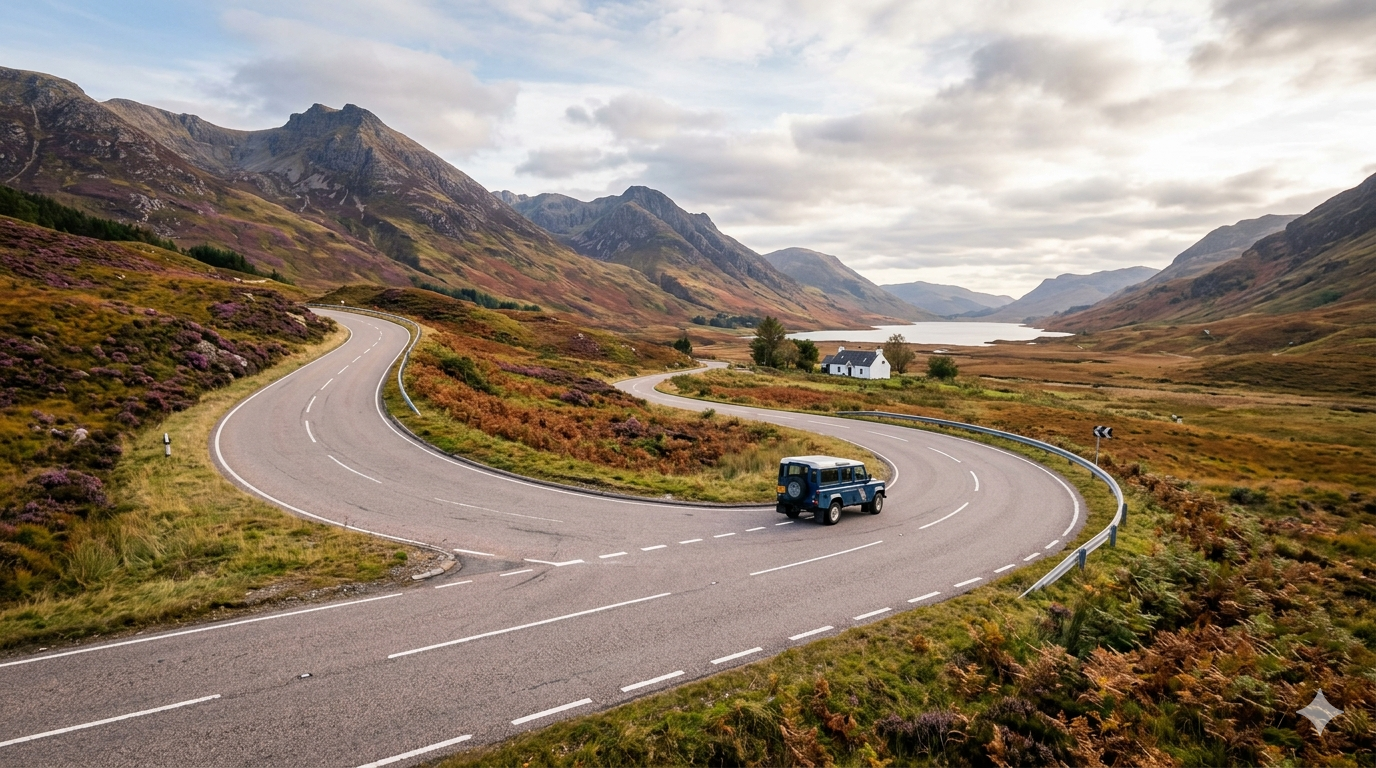
Curved lines create a softer and more natural flow within an image. Rivers, winding roads, and pathways are excellent examples. These lines can add elegance and movement to a photograph.
3. Diagonal Lines
Diagonal lines create a sense of energy and dynamism. They make images appear more dramatic and can help direct attention across the frame.
4. Converging Lines
Converging lines occur when multiple lines appear to meet at a single point. This effect creates depth and perspective, making the image feel more immersive.
How to Use Leading Lines Effectively
Identify Natural Lines
Before taking a photograph, observe your surroundings and look for lines that naturally lead toward your subject. Pay attention to roads, fences, buildings, shadows, and patterns.
Position Your Subject Carefully
Place the subject where the leading lines naturally converge. This ensures the viewer’s attention is directed exactly where you want it.
Experiment with Angles
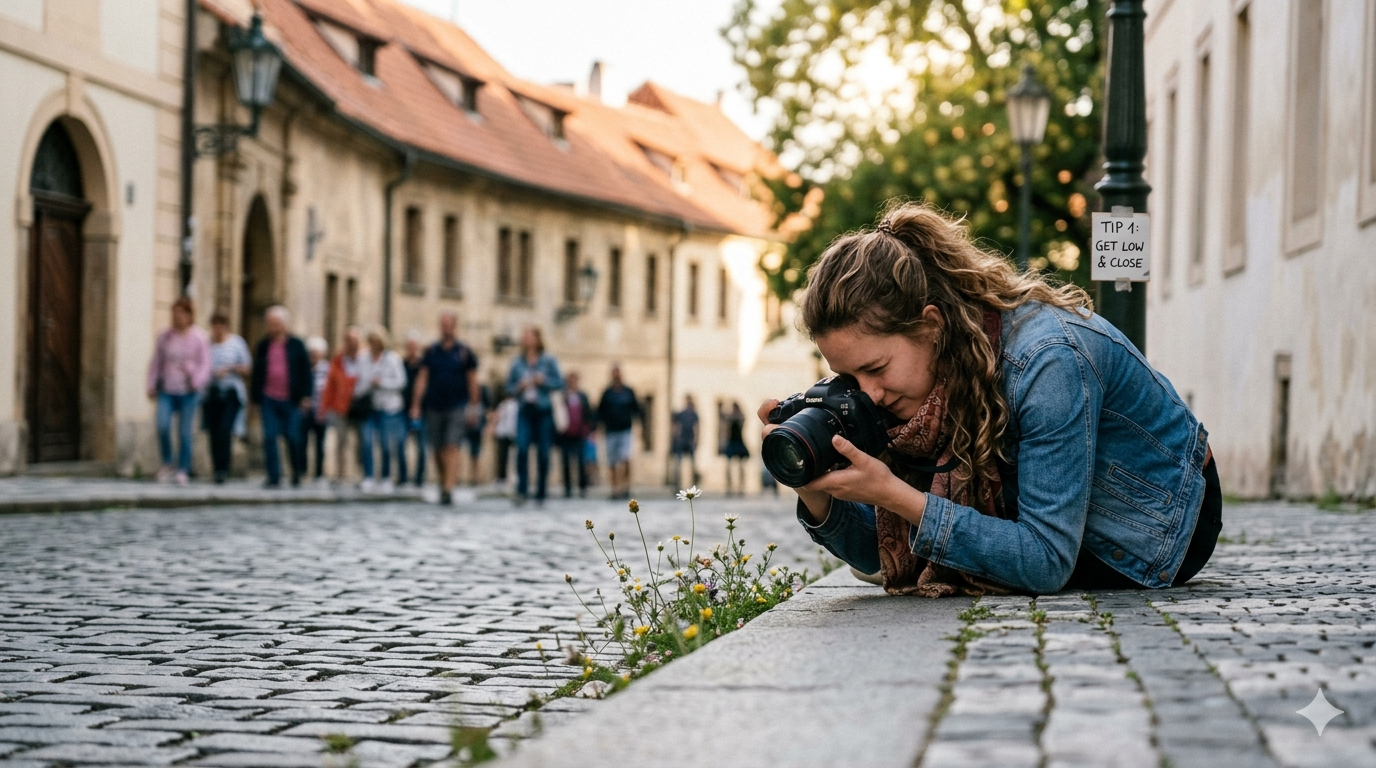
Changing your shooting position can dramatically affect how leading lines appear in a photograph. Experiment with different compositions by filming from a lower or higher angle, or from various sides.
Use Wide-Angle Lenses
Wide-angle lenses can enhance the impact of leading lines by exaggerating perspective and making lines appear longer and more dramatic.

Best Subjects for Leading Lines Photography
Leading lines work well with various photography genres. Some popular subjects include:
- Landscapes and nature scenes
- City streets and urban environments
- Architecture and buildings
- Bridges and tunnels
- Portrait photography
- Travel photography
By combining strong leading lines with an interesting subject, photographers can create visually compelling images that capture attention instantly.
Common Mistakes to Avoid
While leading lines can improve composition, they must be used thoughtfully. Avoid lines that lead viewers out of the frame instead of toward the subject. Also, ensure that the lines support the story of the image rather than creating distractions.
Overcrowding the frame with too many competing lines can confuse viewers and weaken the overall impact of the photograph.
Leading Lines Photography is one of the most effective composition techniques for creating visually striking images. By guiding the viewer’s eye, adding depth, and emphasizing the main subject, leading lines can transform ordinary photos into captivating works of art. Whether you’re photographing landscapes, architecture, or portraits, understanding and applying leading lines will help you create more professional and engaging photographs.
Read Also: Advertisement Marketing