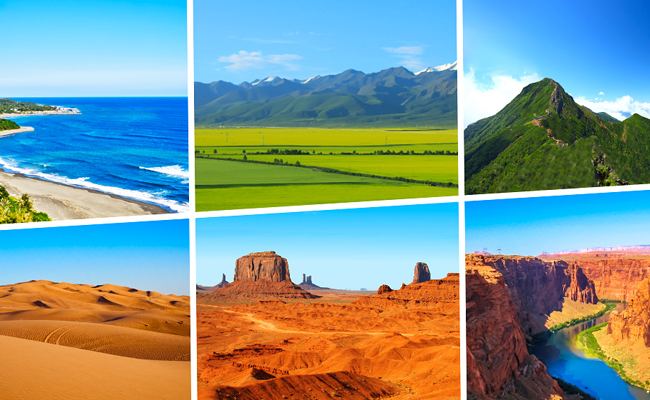
Nature Ecology & Evolution are deeply connected concepts that explain how living organisms interact with their environment and how species change over time. Ecology focuses on the relationships between plants, animals, humans, and their surroundings, while evolution studies the gradual development and adaptation of organisms through generations. Together, these fields help scientists understand biodiversity, climate change, and the future of life on Earth.
In today’s rapidly changing world, the study of nature ecology and evolution has become more important than ever. Environmental destruction, pollution, and global warming are affecting ecosystems across the globe. Understanding ecological systems and evolutionary processes can help humans protect nature and create a sustainable future.
What Is Ecology?
Ecology is the scientific study of interactions between living organisms and their environment. It examines how animals, plants, microorganisms, and humans depend on each other for survival. Ecosystems such as forests, oceans, deserts, and wetlands all function through a delicate balance of energy and resources.
Every organism plays a role in maintaining ecological stability. Plants produce oxygen and food through photosynthesis, herbivores consume plants, and carnivores control animal populations. Decomposers such as fungi and bacteria recycle nutrients back into the soil. When one part of an ecosystem is disturbed, the entire system can be affected.
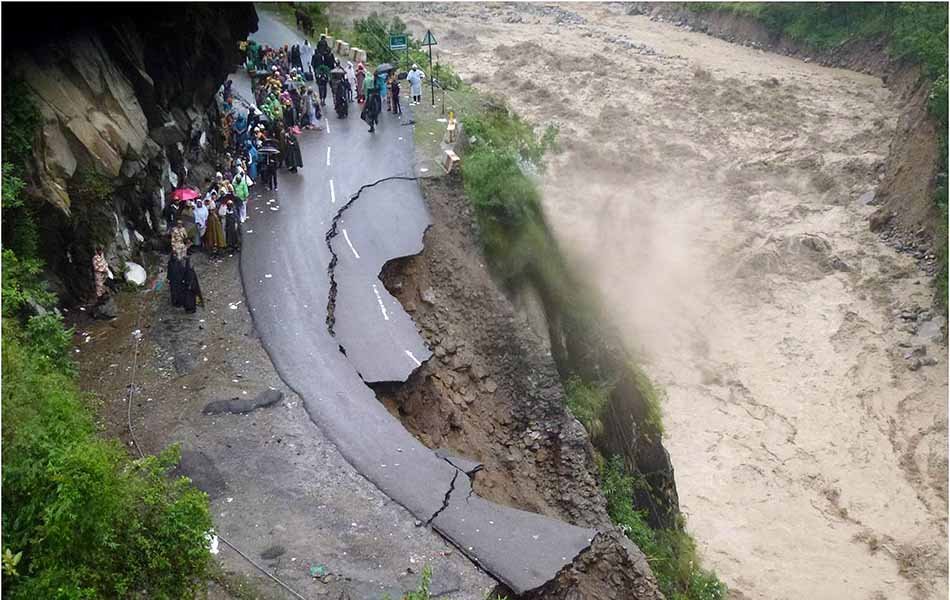
Ecology also studies environmental issues like deforestation, habitat loss, and pollution. Scientists use ecological knowledge to conserve wildlife, restore ecosystems, and reduce the impact of human activities on nature.
Understanding Evolution in Nature
Evolution is the process through which living organisms change over time. It occurs through natural selection, genetic mutation, and adaptation. Species that adapt successfully to environmental conditions are more likely to survive and reproduce.
Charles Darwin’s theory of evolution explained how organisms evolve through natural selection. For example, animals living in cold regions develop thick fur, while desert plants adapt to store water. These changes happen gradually over many generations.
Evolution helps explain the diversity of life on Earth. From tiny bacteria to giant mammals, all living organisms share a common evolutionary history. Fossils, DNA studies, and biological research provide evidence of evolutionary changes over millions of years.

The Relationship Between Ecology and Evolution
Ecology and evolution are closely linked because environmental conditions influence the evolution of species. Organisms must adapt to ecological changes such as climate shifts, food shortages, and predators. Over time, these adaptations lead to evolutionary development.
For example, birds living on isolated islands may evolve different beak shapes depending on available food sources. Similarly, animals facing environmental stress may develop new survival strategies. Ecology shapes evolution, and evolution influences ecological balance.
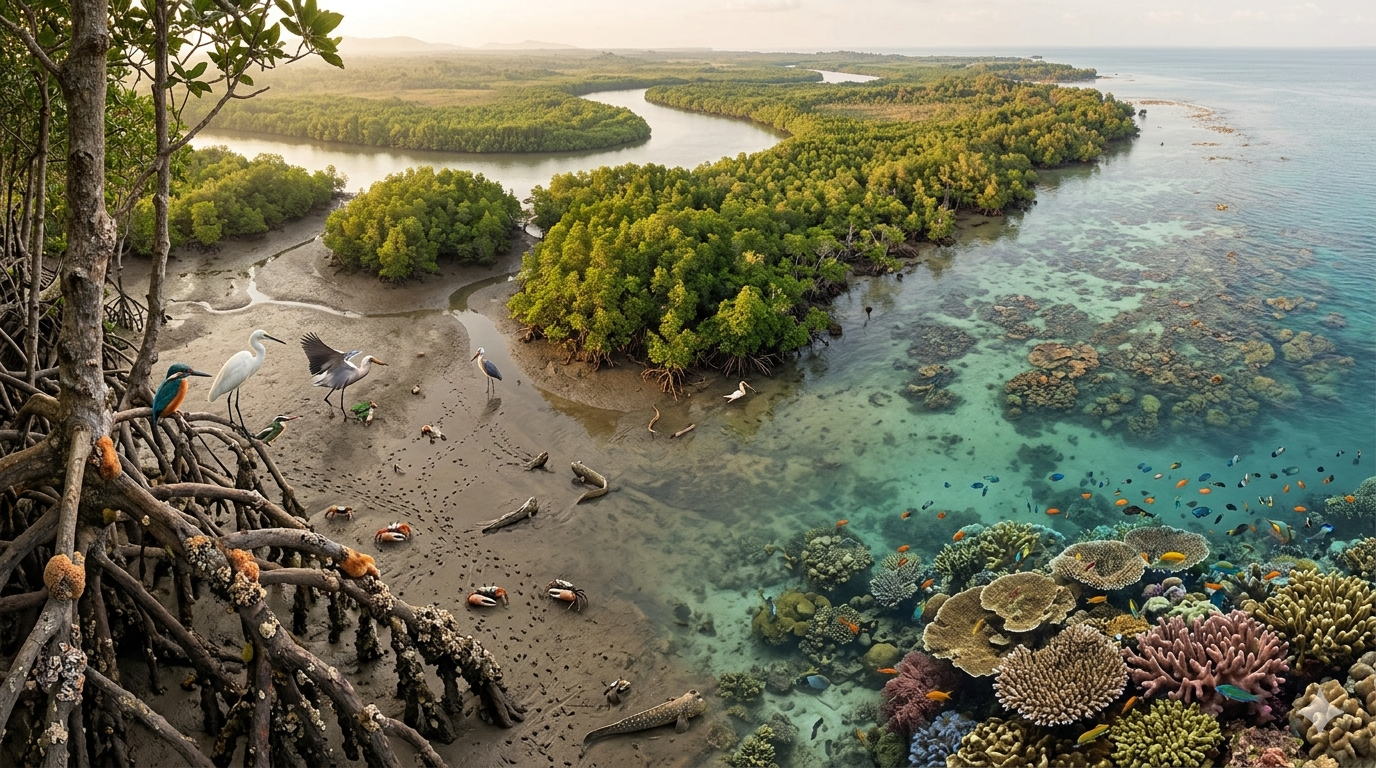
This relationship is essential for maintaining biodiversity. Healthy ecosystems allow species to evolve naturally and support complex food chains. When ecosystems are damaged, many species struggle to survive, leading to extinction.
Importance of Biodiversity
Biodiversity refers to the variety of life forms on Earth. It includes plants, animals, insects, fungi, and microorganisms. High biodiversity strengthens ecosystems and improves environmental stability.
Biodiverse ecosystems provide important benefits such as clean air, fertile soil, medicine, and climate regulation. Rainforests, coral reefs, and wetlands are examples of highly diverse ecosystems that support millions of species.
However, human activities like urbanization, pollution, and overexploitation are threatening biodiversity worldwide. Conservation efforts, wildlife protection, and sustainable practices are necessary to preserve Earth’s natural heritage.
Nature ecology and evolution are fundamental to understanding life on Earth. Ecology explains how organisms interact within ecosystems, while evolution describes how species adapt and change over time. Together, they reveal the complexity and beauty of the natural world.
Protecting ecosystems and biodiversity is essential for the survival of future generations. By respecting nature and promoting environmental conservation, humans can help maintain the balance of life on Earth. The study of ecology and evolution not only increases scientific knowledge but also inspires responsibility toward the planet we call home.
Andaman and Nicobar Islands Forests
Tours And Travels Website Design