Indian politics has a rich and diverse history that reflects the country’s cultural, social, and economic evolution. From ancient kingdoms and empires to the modern democratic system, the political journey of India has shaped the nation into the world’s largest democracy. Understanding the History of Indian Politics helps people learn how governance, leadership, and political ideologies developed over time.
Ancient Indian Political System
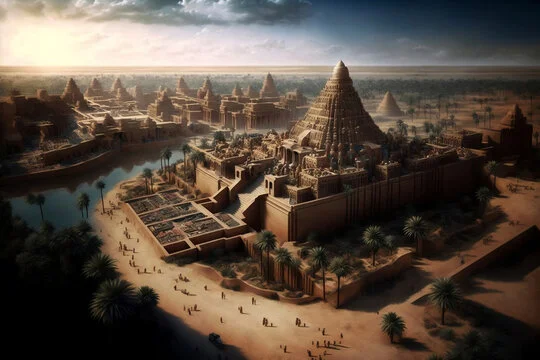
The roots of Indian politics can be traced back to ancient civilization. During the Vedic period, small kingdoms and republics known as “Mahajanapadas” existed across the Indian subcontinent. These states were governed by kings, councils, and assemblies. Ancient Indian political thought was strongly influenced by texts like the Arthashastra written by Chanakya, which explained administration, diplomacy, taxation, and military strategy.
The rise of powerful empires such as the Maurya Empire and Gupta Empire brought centralized administration to India. Emperor Ashoka of the Maurya dynasty is remembered for promoting peace, justice, and Buddhism after the Kalinga War. His governance model became an important chapter in Indian political history.
Medieval Indian Politics
During the medieval period, Indian politics experienced major transformations with the arrival of different dynasties and rulers. The Delhi Sultanate and later the Mughal Empire established strong centralized governments. Mughal Emperor Akbar introduced policies of religious tolerance and administrative reforms that strengthened the empire.
Regional kingdoms such as the Marathas, Rajputs, and Vijayanagara Empire also played a crucial role in shaping political power across India. Political alliances, wars, and trade relations defined this era. The medieval political structure was mostly monarchial, where kings held supreme authority.
British Rule and Political Changes
The arrival of the British East India Company in the 17th century changed the political landscape of India. Over time, the British gained control over large parts of the country through wars, treaties, and economic policies. The Revolt of 1857, also known as the First War of Independence, marked a turning point in Indian political history.
After 1858, India came under direct British Crown rule. The British introduced laws, administrative systems, railways, and educational reforms, but they also exploited Indian resources and restricted political freedom. This led to the rise of political awareness among Indians.
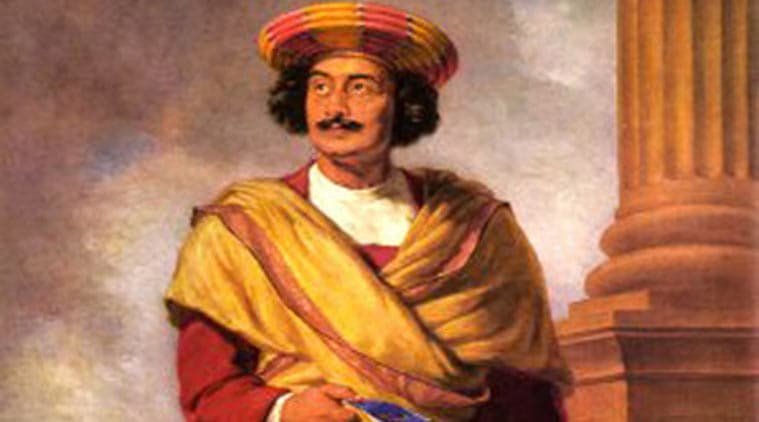
The formation of the Indian National Congress in 1885 was a major milestone in Indian politics. Leaders such as Mahatma Gandhi, Jawaharlal Nehru, Sardar Vallabhbhai Patel, and Subhas Chandra Bose led the freedom movement against British rule. Non-cooperation, civil disobedience, and the Quit India Movement inspired millions to participate in the struggle for independence.
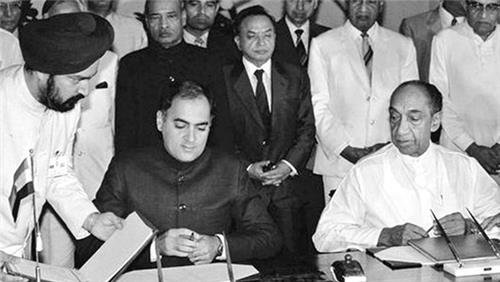
Indian Politics After Independence
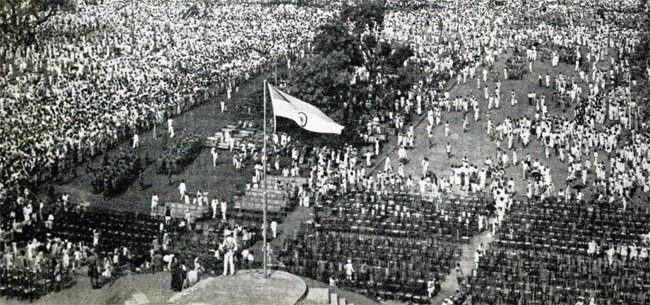
India gained independence on August 15, 1947. After independence, the country adopted its Constitution on January 26, 1950, officially becoming a democratic republic. The Constitution of India established a parliamentary system with fundamental rights, separation of powers, and universal adult franchise.
India became independent under its first Prime Minister, Jawaharlal Nehru. His government focused on economic planning, industrial development, and secularism. Over the years, Indian politics evolved through different political parties, coalition governments, and social reforms.
The Indian political system is mainly divided into three branches: the executive, legislature, and judiciary. Elections are conducted regularly, allowing citizens to choose their representatives democratically.
Modern Indian Political Scenario
Today, Indian politics is influenced by economic growth, social justice, technology, globalization, and regional issues. Major political parties like the Bharatiya Janata Party (BJP) and the Indian National Congress continue to shape national politics. Regional parties also play an important role in state-level governance.
Modern Indian politics focuses on development, digital transformation, employment, education, healthcare, and national security. Social media and digital campaigns have also changed the way political communication takes place in the country.
The History of Indian Politics reflects the country’s journey from ancient kingdoms to a modern democratic nation. Political systems in India have evolved through different eras, including ancient empires, medieval kingdoms, British colonial rule, and democratic governance after independence. Today, India stands as one of the strongest democracies in the world, where citizens actively participate in shaping the future of the nation through elections and public engagement.
Vedic Civilization or Arya Sabhyata
History of Mesopotamia Civilization
Original Sinking History of the Titanic Ship
Read Also: Education Website Design