A Zero Waste Lifestyle is becoming increasingly popular as people look for ways to protect the environment and reduce pollution. The idea behind zero waste is simple: minimize the amount of trash sent to landfills by reducing, reusing, and recycling materials. Living a sustainable life not only helps the planet but also saves money and promotes healthier habits. By making small daily changes, anyone can start their journey toward a greener future.
What Is a Zero Waste Lifestyle?
A zero waste lifestyle focuses on reducing household waste and avoiding single-use products. Instead of throwing items away, people aim to reuse, repair, or recycle them whenever possible. The goal is to create less environmental damage and conserve natural resources.
The zero waste movement follows the “5 Rs” principle:
- Refuse unnecessary items
- Reduce what you consume
- Reuse products multiple times
- Recycle materials correctly
- Rot organic waste through composting
These simple practices help reduce plastic pollution and lower carbon emissions.
Benefits of Living Zero Waste
1. Protects the Environment
One of the biggest advantages of a zero waste lifestyle is reducing pollution. Plastic waste frequently ends up in the oceans, where it damages ecosystems and marine life. By using reusable products, individuals can significantly decrease environmental damage.
2. Saves Money
Buying fewer disposable products means spending less over time. Reusable bottles, shopping bags, and containers can replace single-use items, helping families save money every month.
3. Encourages Healthier Living
Zero waste living often promotes natural and eco-friendly products. Many people choose fresh food, avoid excess packaging, and use chemical-free household items, which can improve overall health.
4. Conserves Natural Resources
Reusing and recycling materials helps conserve energy, water, and raw resources. This reduces the need for excessive manufacturing and supports a more sustainable economy.
Easy Ways to Start a Zero Waste Lifestyle
Use Reusable Products
Replace disposable items with reusable alternatives such as cloth bags, stainless steel bottles, reusable straws, and glass containers. These simple swaps can greatly reduce daily waste.
Avoid Single-Use Plastics
Single-use plastics are one of the largest sources of pollution worldwide. Choose products with minimal packaging and avoid plastic cutlery, cups, and bags whenever possible.
Buy in Bulk
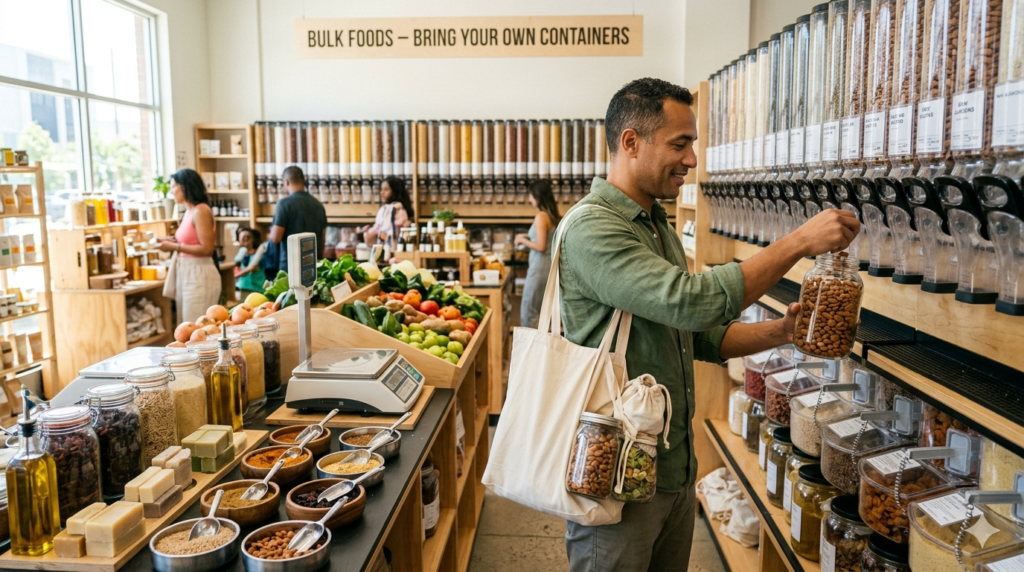
Purchasing food and household items in bulk reduces packaging waste. Bring your own containers when shopping to avoid unnecessary plastic packaging.
Compost Organic Waste
Food scraps and yard waste can be composted instead of thrown away. Composting creates nutrient-rich soil and reduces landfill waste.
Repair and Reuse Items
Instead of discarding damaged items, try repairing them. Reusing clothing, furniture, and electronics extends their lifespan and reduces waste production.
Zero Waste Kitchen Tips
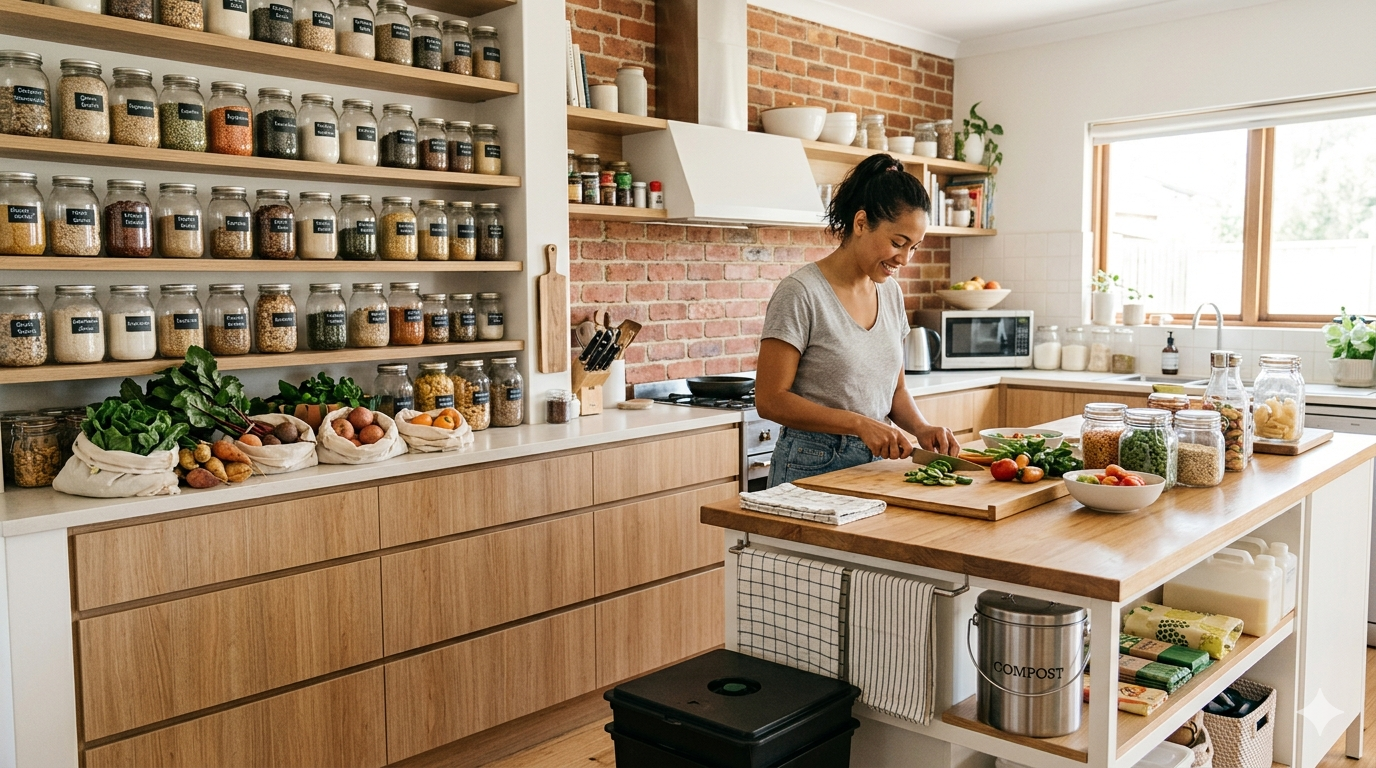
The kitchen is often the biggest source of household waste. Here are a few simple ways to create a more eco-friendly kitchen:
- Store food in reusable containers
- Use cloth towels instead of paper towels
- Buy fresh produce without plastic packaging
- Plan meals to reduce food waste
- Compost fruit and vegetable scraps
Making these small changes can significantly reduce household garbage.
Challenges of Zero Waste Living
Transitioning to a zero waste lifestyle can feel difficult at first. Some eco-friendly products may cost more initially, and not every area has recycling or composting facilities. However, starting with small steps makes the process easier and more sustainable over time.
It is important to remember that zero waste is not about perfection. Even reducing waste gradually can make a positive impact on the environment.
A zero waste lifestyle is a practical and effective way to protect the planet while improving everyday life. By reducing waste, reusing products, and making sustainable choices, individuals can help create a cleaner and healthier world. Small actions, when practiced consistently, lead to meaningful environmental change. Starting today with simple eco-friendly habits can make a lasting difference for future generations.
Effects of AI in Upcoming Technology
Manhole – Essential Access Points in Urban Infrastructure
RCPC Manhole Covers and Frames
Read Also : Social Network Website Design