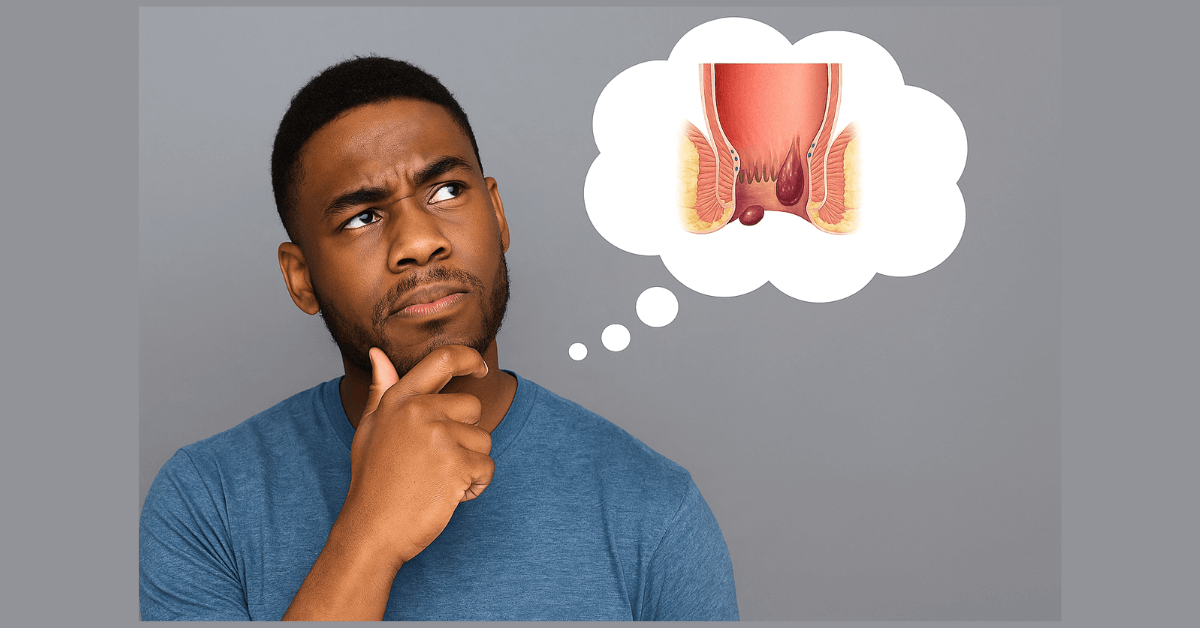
Hemorrhoids are a common yet often misunderstood health condition that affects millions of people worldwide. Also known as piles, hemorrhoids are swollen veins located in the lower rectum or around the anus. While they can be uncomfortable, they are usually not dangerous and can often be treated effectively with simple remedies and lifestyle changes.
Types of Hemorrhoid
Hemorrhoid are generally classified into two main types:
1. Internal Hemorrhoid
These develop inside the rectum and are usually not visible. They rarely cause pain but may lead to painless bleeding during bowel movements.
2. External Hemorrhoid
These occur under the skin around the anus. External hemorrhoids can cause itching, pain, and swelling. In some cases, they may form a clot (thrombosed hemorrhoid), which can be very painful.
Causes of Hemorrhoid
Increased pressure in the lower rectum causes hemorrhoids. Several factors can contribute to this pressure, including:
- Chronic constipation or diarrhea
- Straining during bowel movements
- Sitting for extended periods, especially on the toilet
- Obesity
- Pregnancy, due to increased pressure on pelvic veins
- Low-fiber diet
These factors cause the veins in the rectal area to stretch and swell, leading to hemorrhoids.
Common Symptoms
The symptoms of hemorrhoids can vary depending on the type and severity. Common signs include:
- Pain or discomfort in the anal area
- Itching or irritation around the anus
- Swelling near the anus
- Bleeding during bowel movements (bright red blood)
- A lump near the anus (in case of external hemorrhoids)
It’s important to note that rectal bleeding should always be evaluated by a healthcare professional to rule out other serious conditions.
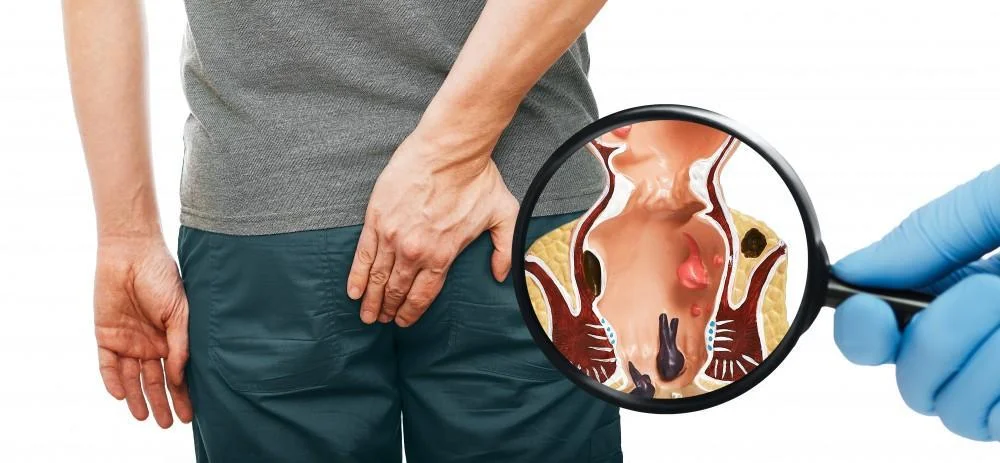
Diagnosis and When to See a Doctor
In most cases, hemorrhoids can be diagnosed through a physical examination. For internal hemorrhoids, doctors may use procedures such as anoscopy or sigmoidoscopy to examine the rectum more closely.
You should consult a doctor if:
- Bleeding persists or increases
- Pain becomes severe
- Symptoms do not improve with home treatment
- You notice significant changes in bowel habits
Early diagnosis helps ensure proper treatment and prevents complications.
Effective Treatment Options
Treatment for hemorrhoids depends on their severity. Many mild cases can be managed at home, while more severe cases may require medical procedures.
Home Remedies
- Increase fiber intake (fruits, vegetables, whole grains)
- Drink plenty of water
- Avoid straining during bowel movements
- Take warm sitz baths to reduce discomfort
- Use over-the-counter creams or ointments
Medical Treatments
If home remedies are not effective, doctors may recommend:
- Rubber band ligation
- Sclerotherapy
- Infrared coagulation
- Surgical removal (hemorrhoidectomy) in severe cases
Prevention Tips
Preventing hemorrhoid is often possible through simple lifestyle adjustments:
- Eat a high-fiber diet
- Stay hydrated
- Exercise regularly
- Avoid prolonged sitting
- Go to the bathroom as soon as you feel the urge
These habits help maintain healthy digestion and reduce pressure on rectal veins.
Hemorrhoids are a common condition that can cause discomfort but are usually manageable with proper care and lifestyle changes. Understanding the causes, recognizing the symptoms, and taking preventive measures can significantly reduce the risk of developing hemorrhoid. If symptoms persist or worsen, seeking medical advice is essential for effective treatment and long-term relief.
Liver Cancer Symptoms Cause and Remedy
Read Also: Medical Website Design