
The global economy in 2025–2026 is undergoing a transformative shift driven by technological innovation, sustainability demands, and evolving consumer behavior. Several industries are not only growing rapidly but also shaping the future of economies, societies, and employment worldwide. From artificial intelligence to renewable energy, these sectors are redefining how businesses operate and how people live.
1. Artificial Intelligence and Automation
Artificial Intelligence (AI) continues to dominate as the most impactful industry globally. It is projected to contribute trillions to the global economy and is being integrated across sectors like healthcare, finance, and manufacturing. AI-driven systems are improving efficiency, automating repetitive tasks, and enabling smarter decision-making.
Recent trends show massive investments in AI infrastructure and applications, including autonomous systems and enterprise software. AI is expected to become the backbone of digital transformation, with widespread adoption across industries by 2026.
2. Renewable Energy and Climate Tech
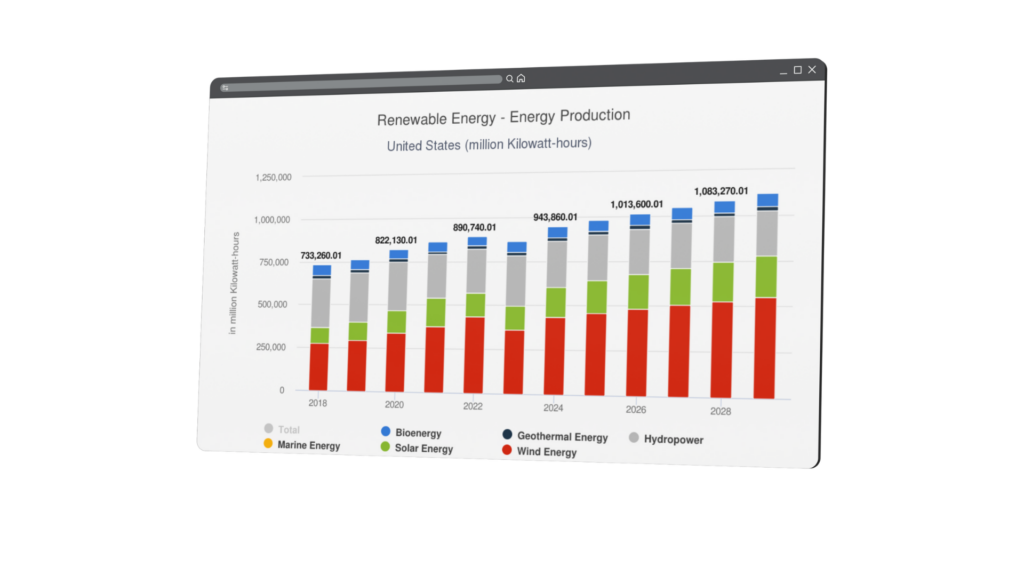
The shift toward clean and sustainable energy is one of the most significant global trends. Renewable energy sources such as solar and wind are expanding rapidly, helping reduce reliance on fossil fuels. In fact, renewable energy has recently met a substantial portion of global electricity demand growth.
Governments and corporations are heavily investing in climate technologies, including green hydrogen, battery storage, and electric vehicles. This industry not only addresses climate change but also creates millions of jobs and drives economic growth.
3. Healthcare and Biotechnology
Healthcare and biotechnology are experiencing major advancements due to digital innovation and scientific breakthroughs. Technologies like telemedicine, wearable health devices, and AI-powered diagnostics are transforming patient care.
Biotechnology is also advancing rapidly, particularly in gene therapy, personalized medicine, and vaccine development. These innovations are improving life expectancy and quality of life, making healthcare one of the most impactful industries globally.
4. Financial Technology (Fintech)

Fintech is revolutionizing the financial services industry by making banking, payments, and investments more accessible and efficient. Digital wallets, blockchain, and decentralized finance (DeFi) are reshaping traditional financial systems.
With increasing internet penetration and smartphone usage, fintech solutions are reaching underserved populations worldwide. This industry is crucial for financial inclusion and economic development, especially in emerging markets.
5. E-commerce and Digital Retail
E-commerce continues to grow at an unprecedented rate, driven by changing consumer habits and advancements in logistics and digital payment systems. Global online sales are expected to reach trillions of dollars by 2026, reflecting the strong demand for digital shopping experiences.
Businesses are increasingly adopting omnichannel strategies, blending online and offline experiences to meet customer expectations. This industry plays a key role in global trade and supply chain evolution.
6. Advanced Manufacturing and Robotics
Manufacturing is evolving with the integration of robotics, automation, and smart technologies. Advanced manufacturing techniques, including 3D printing and AI-driven production systems, are improving efficiency and reducing costs.
Industries are also investing in semiconductor production and smart factories to support growing technological demands. These innovations are enhancing global productivity and competitiveness.
7. Cybersecurity and Data Protection
As digital transformation accelerates, cybersecurity has become a critical industry. With increasing cyber threats and data breaches, organizations are prioritizing data protection and digital security.
The demand for cybersecurity solutions is rising across sectors, including government, finance, and healthcare. This industry ensures the safety of digital infrastructure and builds trust in the digital economy.
The top industries of 2025–2026 highlight a clear trend: the convergence of technology, sustainability, and innovation. Artificial intelligence, renewable energy, healthcare, fintech, e-commerce, manufacturing, and cybersecurity are not just growing—they are reshaping the global landscape.
Businesses and professionals who adapt to these industries will be better positioned for future success. As the world continues to evolve, these sectors will remain at the forefront of global impact, driving economic growth and societal progress.
Read Also: Social Network Website Design