Living a zero waste lifestyle is no longer just a trend—it has become a necessity in 2026. With rising environmental concerns, climate change, and increasing landfill waste, individuals are actively seeking ways to reduce their ecological footprint. Adopting a zero waste lifestyle means minimizing waste generation and making conscious choices that benefit both the planet and future generations.
What is a Zero Waste Lifestyle?
A zero waste lifestyle focuses on reducing the amount of waste you produce by rethinking consumption habits. It encourages the use of reusable, recyclable, and compostable products while avoiding single-use plastics. The goal is simple: send as little waste as possible to landfills.
Start with the 5 R’s Principle
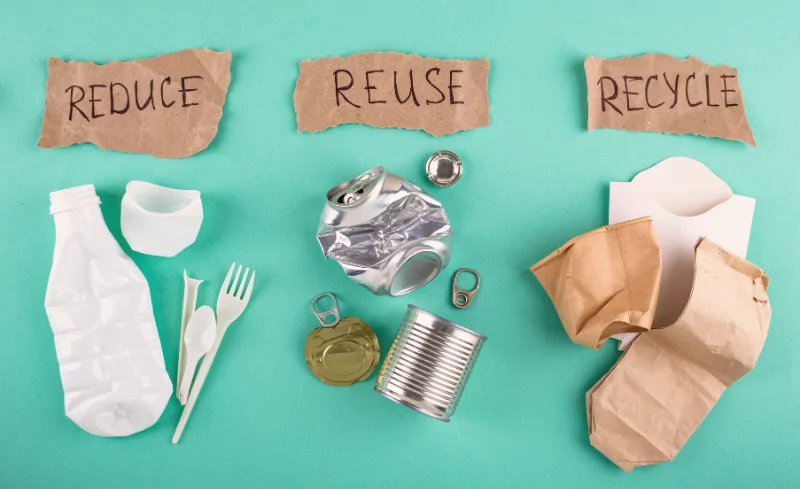
The foundation of a zero waste lifestyle lies in the 5 R’s:
- Refuse what you don’t need
- Reduce what you do use
- Reuse items as much as possible
- Recycle what you cannot refuse or reuse
- Rot (Compost) organic waste
By following these principles, you can significantly cut down your daily waste.
Switch to Reusable Products
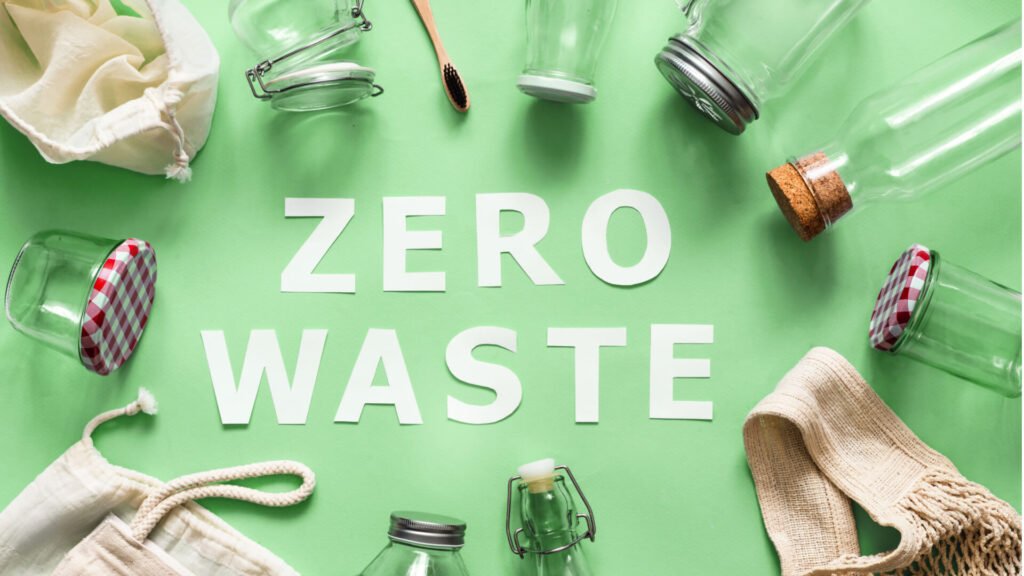
One of the easiest ways to begin your journey is by replacing disposable items with reusable alternatives. Use cloth bags instead of plastic bags, stainless steel bottles instead of single-use plastic bottles, and reusable containers for food storage. Small changes like carrying your own cutlery or coffee cup can make a big difference over time.
Adopt a Sustainable Shopping Habit
In 2026, conscious consumerism is key. Choose products with minimal or no packaging. Support brands that focus on sustainability and ethical production. Buying in bulk and selecting locally sourced products not only reduces waste but also supports local economies.
Reduce Food Waste at Home
Food waste is a major contributor to environmental pollution. Plan your meals, store food properly, and use leftovers creatively. Composting organic waste is another effective way to minimize what goes into the trash. Even in urban areas, small compost bins can help turn kitchen scraps into nutrient-rich soil.
Go Digital and Paperless
With advanced technology in 2026, going paperless has never been easier. Switch to digital bills, e-receipts, and online documents. This reduces paper waste and helps you stay organized. Cloud storage and apps make it convenient to manage everything without printing unnecessary documents.
Choose Eco-Friendly Personal Care Products
Many personal care products come in plastic packaging and contain harmful chemicals. Opt for eco-friendly alternatives such as bamboo toothbrushes, solid shampoo bars, and refillable skincare products. These choices not only reduce waste but are also better for your health.
Practice Minimalism
A zero waste lifestyle often goes hand in hand with minimalism. Avoid overconsumption by buying only what you truly need. Focus on quality over quantity and invest in durable products that last longer. This approach saves money and reduces waste in the long run.
Build a Community and Stay Consistent
Transitioning to Build a Zero Waste Lifestyle can be challenging, but you don’t have to do it alone. Join local or online communities that promote sustainable living. Stay driven, share advice, and pick up knowledge from others. Consistency is key—even small efforts add up over time.
Building a zero waste lifestyle in 2026 is about making mindful choices every day. It doesn’t require perfection but rather a commitment to continuous improvement. By reducing waste, reusing resources, and supporting sustainable practices, you can contribute to a cleaner and healthier planet.
Best Adventures to do in India
Read Also: Tours And Travels Website Design