Libya’s oil sector has long been the backbone of its economy, but it was under the leadership of Muammar Gaddafi that the industry experienced a significant transformation. Gaddafi’s policies reshaped Libya’s oil production, national control, and global positioning, turning the country into a major energy player. This article explores how Gaddafi upgraded Libya’s oil sector and the lasting impact of his reforms.
Early Challenges in Libya’s Oil Industry
Before Gaddafi came to power in 1969, Libya’s oil industry was largely controlled by foreign companies. Western corporations dominated exploration, production, and profits, leaving Libya with a relatively small share of its own natural wealth. The infrastructure was underdeveloped, and the government had limited authority over pricing and output decisions.
This imbalance created economic inequality and dependency on foreign powers, which became a major concern for the new regime.
Nationalization of Oil Resources
One of Gaddafi’s most significant moves was the nationalization of Libya’s oil industry in the early 1970s. He gradually reduced foreign control and increased the state’s stake in oil operations. By renegotiating contracts and forming joint ventures, Libya secured a larger share of oil revenues.
The establishment of the National Oil Corporation (NOC) played a key role in this transition. It allowed the Libyan government to oversee production, manage exports, and ensure that profits were reinvested into the country’s development.
Infrastructure Development and Modernization
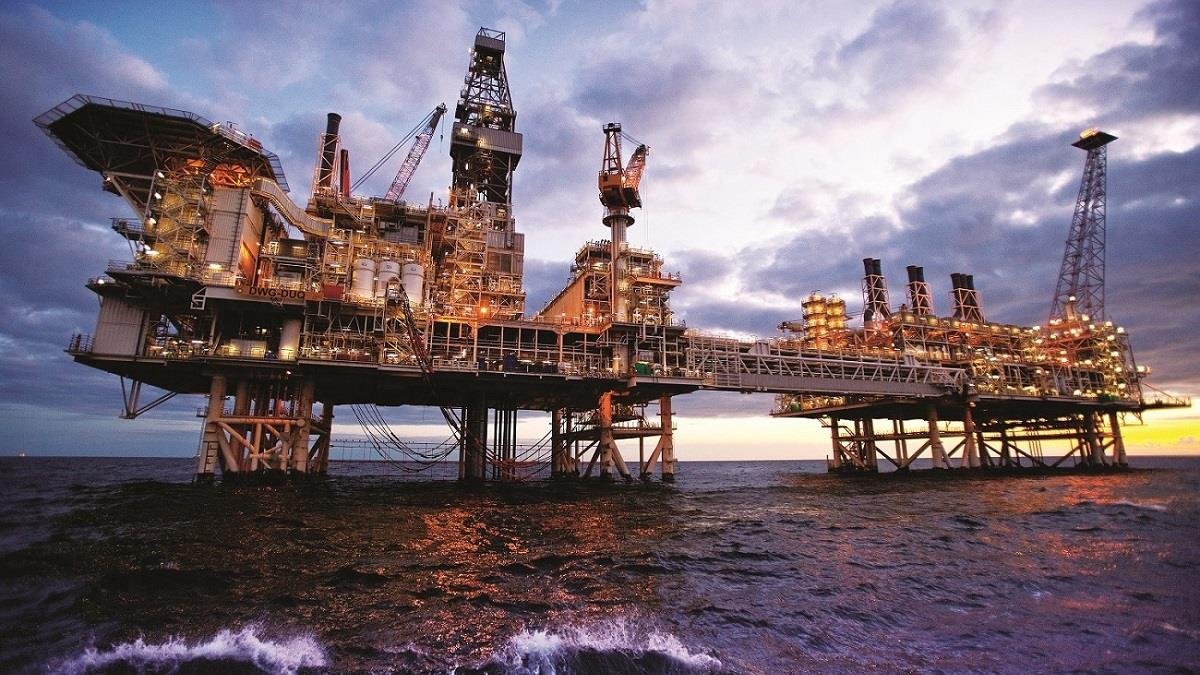
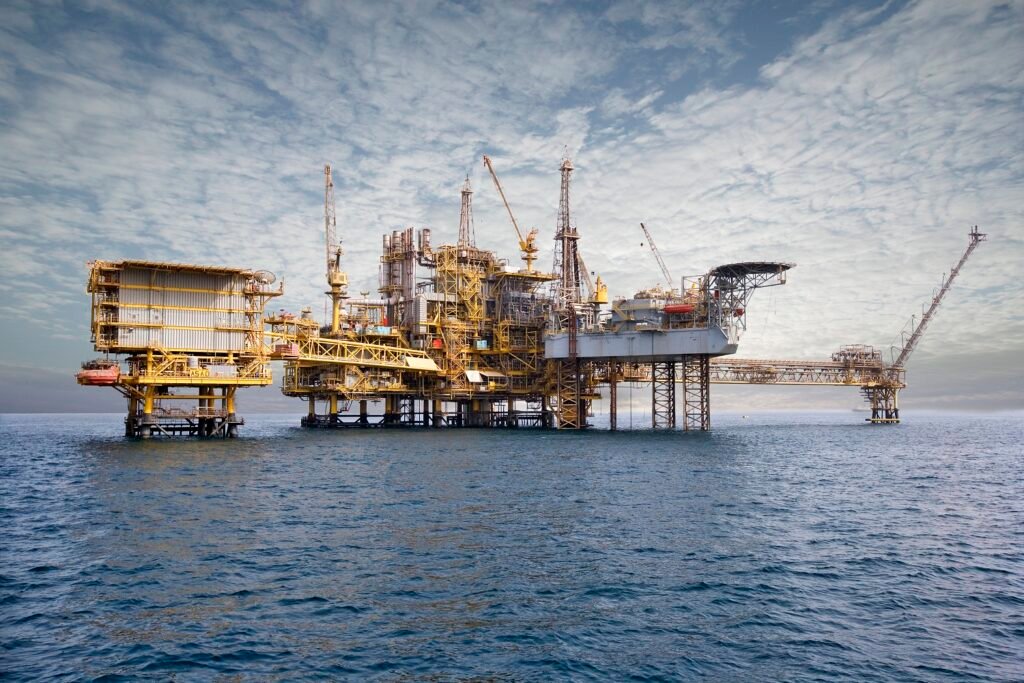
Gaddafi invested heavily in upgrading Libya’s oil infrastructure. New pipelines, refineries, and export terminals were built to increase efficiency and production capacity. These developments helped Libya become one of the leading oil producers in Africa.
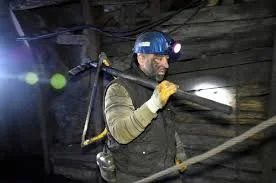
Modern technology was introduced to improve extraction methods and reduce operational costs. The government also focused on training local workers, reducing reliance on foreign expertise and building a skilled domestic workforce.
Strategic Control and Global Influence
Under Gaddafi, Libya adopted a more assertive approach in the global oil market. The country became an active member of OPEC and used its oil resources as a tool for political and economic influence.
By controlling production levels and negotiating prices, Libya was able to maximize its درآمد (revenue) and strengthen its position on the international stage. Gaddafi’s policies often challenged Western dominance, making Libya a key player in global energy politics.
Economic Impact on Libya
The transformation of the oil sector had a profound impact on Libya’s economy. Increased oil revenues funded major development projects, including infrastructure, healthcare, education, and housing.
Living standards improved significantly during this period, and Libya achieved one of the highest per capita incomes in Africa. The government also implemented social welfare programs, using oil wealth to support its population.
Challenges and Criticism
Despite these achievements, Gaddafi’s management of the oil sector was not without criticism. Economic mismanagement, lack of transparency, and political instability often hindered long-term growth.
International sanctions, especially in the 1980s and 1990s, affected oil exports and limited access to advanced technology. Additionally, the heavy dependence on oil made Libya’s economy vulnerable to global price fluctuations.
Legacy of Gaddafi’s Oil Reforms
Gaddafi’s transformation of Libya’s oil sector left a lasting legacy. His policies established national control over natural resources and demonstrated how oil wealth could be used for development.
However, the centralized system also created structural weaknesses that became evident after his regime ended. The oil sector remains crucial to Libya’s economy, but ongoing political instability has affected production and investment.
Gaddafi’s upgrading and transformation of Libya’s oil sector marked a turning point in the country’s history. Through nationalization, infrastructure development, and strategic control, Libya emerged as a significant oil producer with increased economic independence.
While his policies brought growth and modernization, they also introduced challenges that continue to shape Libya’s oil industry today. Understanding this transformation provides valuable insights into the relationship between natural resources, governance, and economic development.
Freelancerson.com a Free Marketplace for Freelancers and Clients
Read Also: Job Seeker Website Portal