
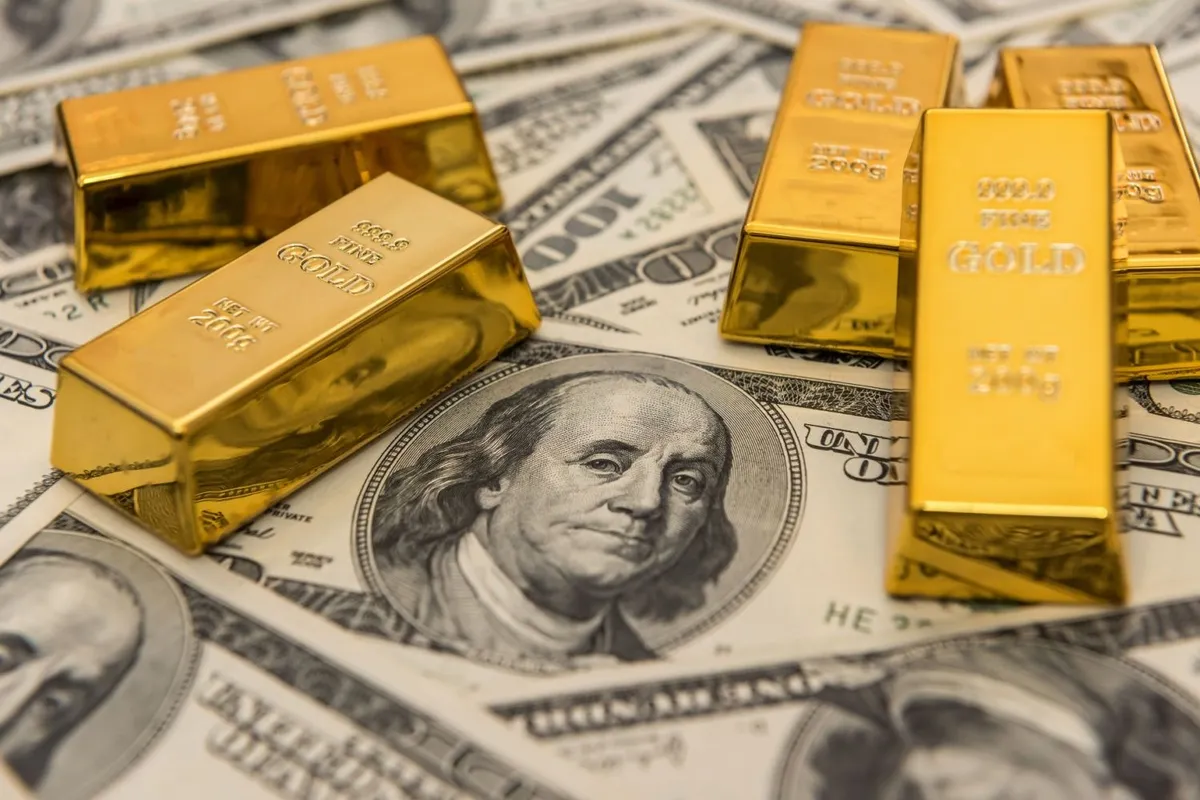
Gold has fascinated humanity for thousands of years—not just for its beauty, but for its role as one of the earliest and most trusted forms of money. Long before modern currencies and digital payments, gold served as a universal medium of exchange, a store of value, and a symbol of wealth.
The Origins of Gold was Money
The use of gold was money dates back to ancient civilizations such as Egypt, Mesopotamia, and Rome. These societies recognized gold’s unique properties—it is durable, divisible, portable, and scarce. Unlike perishable goods or bulky commodities, gold could be stored for long periods without losing value. This made it an ideal choice for trade and wealth preservation.
Early merchants and traders began using gold in the form of nuggets, dust, or jewelry to exchange goods and services. Over time, governments started minting gold coins to standardize its value, making trade more efficient and reliable.
Why Gold Was Considered Valuable
Gold’s value was not arbitrary. Several key factors contributed to its widespread acceptance as money:
- Scarcity: Gold is rare, and its supply cannot be easily increased.
- Durability: It does not rust or corrode, ensuring long-term storage.
- Divisibility: Gold can be melted and divided into smaller units without losing value.
- Portability: High value in a small quantity makes it easy to transport.
These characteristics made gold superior to other commodities like grain or livestock, which were less practical as a medium of exchange.
The Gold Standard Era
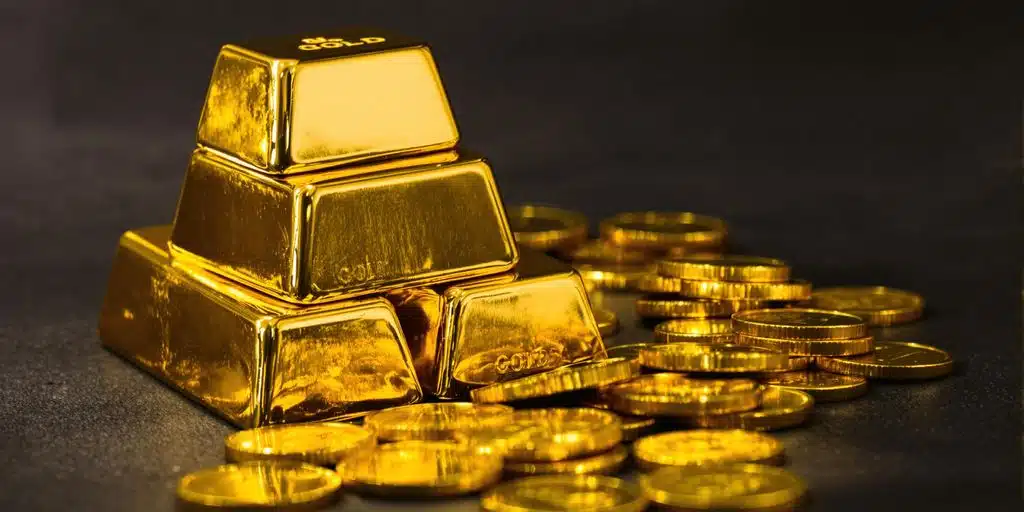
One of the most significant periods in monetary history was the gold standard. Under this system, a country’s currency was directly linked to a specific amount of gold. Governments guaranteed that paper money could be exchanged for gold at a fixed rate.
The gold standard provided stability to the global economy. It limited inflation because governments could not print more money than the gold they possessed. This system was widely used during the 19th and early 20th centuries and facilitated international trade by creating fixed exchange rates between currencies.
The Decline of Gold as Money
Despite its advantages, the use of gold as money began to decline in the 20th century. Major events such as World War I and the Great Depression forced governments to abandon the gold standard. Countries needed more financial flexibility, which gold-backed currencies could not provide.
In 1971, the United States officially ended the convertibility of the dollar into gold, marking the end of the global gold standard system. Since then, most countries have adopted fiat currencies—money that is not backed by physical commodities but by government trust.
Gold’s Role in the Modern Economy
Although gold is no longer used as everyday money, it still plays a crucial role in the global financial system. Central banks hold gold reserves as a hedge against economic uncertainty. Investors often turn to gold during times of inflation or market instability because it tends to retain value.
Gold is also widely used in jewelry, technology, and investment products such as gold ETFs and bullion. Its historical significance as money continues to influence its perception as a “safe haven” asset.
Gold’s journey from ancient trade to modern investment highlights its enduring value and importance. Its unique properties made it one of the earliest forms of money, shaping economic systems for centuries. While it is no longer used as currency today, gold remains a powerful symbol of wealth and financial security.
Understanding how gold was used as money helps us appreciate the evolution of financial systems and the foundation of modern economies.
Read Also: Social Network Website Design