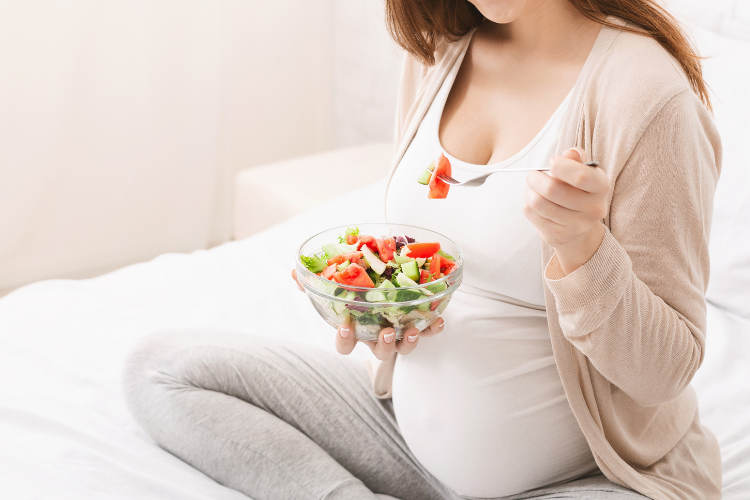
Pregnancy is a beautiful journey that brings excitement, responsibility, and significant changes in a woman’s body. One of the most important aspects of this journey is maintaining healthy food habits during pregnancy. Proper nutrition supports the growth and development of the baby while keeping the mother strong and energized. Understanding what to eat and what to avoid can make a big difference in ensuring a safe and healthy pregnancy.
Why Healthy Food Habits During Pregnancy Matter
During pregnancy, a woman’s nutritional needs increase. The body requires extra vitamins, minerals, protein, and calories to support the baby’s development. Good food habits during pregnancy help in:
- Proper fetal growth and brain development
- Strengthening the immune system
- Preventing anemia and deficiencies
- Maintaining healthy weight gain
- Reducing pregnancy complications
Eating balanced meals regularly also helps manage common pregnancy symptoms such as nausea, fatigue, and constipation.
Essential Nutrients Required During Pregnancy
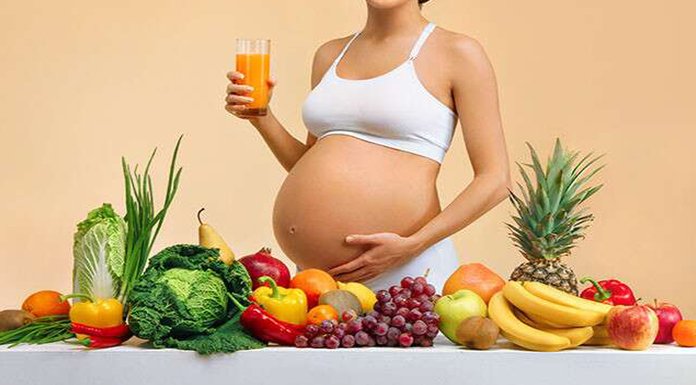
A well-balanced pregnancy diet should include the following key nutrients:
1. Folic Acid
Folic acid plays a vital role in preventing neural tube defects in babies. Green leafy vegetables, oranges, lentils, and fortified cereals are excellent sources of folic acid.
2. Iron
Iron supports the production of hemoglobin and prevents anemia. Include iron-rich foods such as spinach, beans, red meat, and dates. Pair iron-rich foods with vitamin C sources like lemon or oranges for better absorption.
3. Calcium
Calcium is essential for the development of the baby’s bones and teeth. Milk, yogurt, cheese, almonds, and sesame seeds are good sources of calcium.
4. Protein
Protein helps in tissue growth and development. Eggs, fish, chicken, tofu, lentils, and dairy products provide high-quality protein.
5. Omega-3 Fatty Acids
Omega-3 supports brain and eye development in the baby. Fatty fish, walnuts, chia seeds, and flaxseeds are healthy sources.
Healthy Eating Tips for Pregnant Women
Following simple and practical food habits during pregnancy can ensure balanced nutrition:
- Eat small and frequent meals to avoid nausea and acidity.
- Include fresh fruits and vegetables in daily meals.
- Choose whole grains instead of refined flour products.
- Stay hydrated by drinking plenty of water.
- Avoid skipping breakfast, as it provides energy for the day.
- Limit processed and junk foods that are high in sugar and unhealthy fats.
Home-cooked meals are usually safer and healthier than outside food.
Foods to Avoid During Pregnancy
Certain foods can pose risks during pregnancy and should be limited or avoided:
- Raw or undercooked meat and eggs
- Unpasteurized milk and cheese
- Excess caffeine
- High-mercury fish
- Alcohol and smoking
These foods may increase the risk of infections, birth defects, or other complications.
Importance of Maintaining a Balanced Diet
A balanced diet during pregnancy does not mean eating for two. It means eating wisely and including a variety of nutrients. Healthy food habits during pregnancy help in maintaining appropriate weight gain and reducing the risk of gestational diabetes and high blood pressure.
Consulting a healthcare professional or dietitian can help in planning a personalized pregnancy diet based on individual needs.
Developing healthy food habits during pregnancy is one of the best gifts a mother can give to her baby. A nutrient-rich, balanced diet supports the baby’s development and keeps the mother healthy and active throughout the journey. By choosing fresh, wholesome foods and avoiding harmful items, pregnant women can ensure a smooth and safe pregnancy experience.
What Happens After the Death of a Human
Read Also : Html Static Website Design