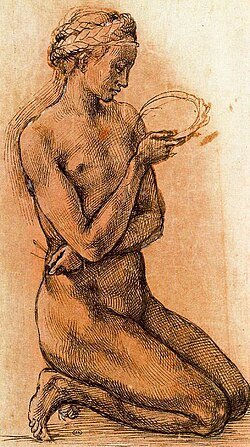
Nude figure sketching is one of the most fundamental and respected practices in the world of fine art. For centuries, artists have studied the human form to understand anatomy, proportion, movement, and expression. From beginners to professional illustrators, learning to draw the nude figure helps develop strong observational skills and artistic confidence.
This art form is not about sensuality; it is about understanding structure, balance, and the natural beauty of the human body. In this guide, we will explore the importance, techniques, benefits, and tips for mastering nude figure sketching.
Why Nude Figure Sketching Is Important
Studying the nude human form allows artists to:
- Understand body proportions accurately
- Learn muscle structure and bone placement
- Improve gesture drawing skills
- Develop better shading and lighting techniques
- Capture natural poses and movement
When clothing is removed from the equation, artists can focus entirely on anatomy and form. This helps build a strong foundation that improves all other types of drawing, including portrait, fashion, and character design.
Essential Materials for Nude Figure Drawing
You do not need expensive tools to begin nude figure sketching. Here are some basic materials:
- Sketchbook or drawing paper
- Graphite pencils (HB, 2B, 4B, 6B)
- Charcoal sticks (optional)
- Kneaded eraser
- Blending stump
Many artists prefer charcoal because it allows bold strokes and strong contrast. However, beginners can start comfortably with graphite pencils.
Understanding Human Proportions
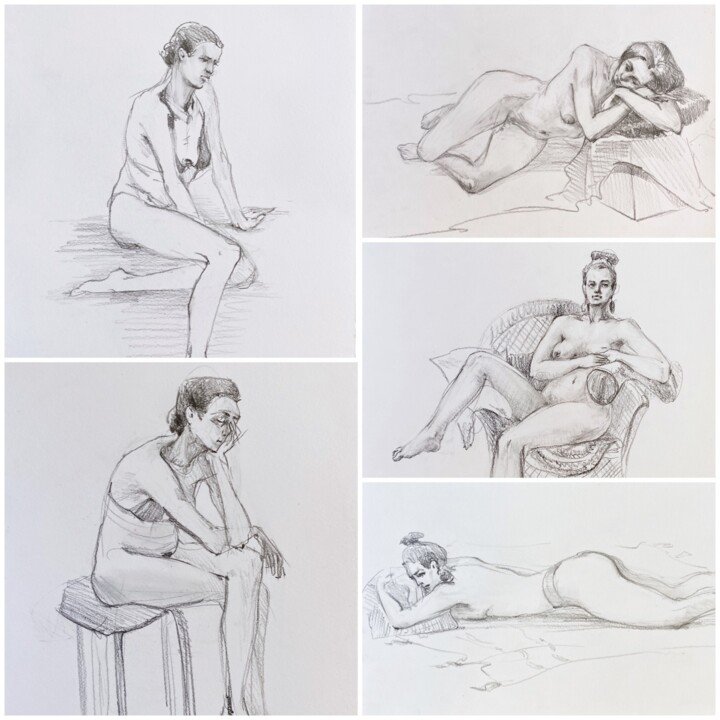
A key aspect of nude figure sketching is mastering human proportions. Traditionally, the average adult body is about 7 to 8 heads tall. Breaking the body into sections helps maintain balance and accuracy.
Basic proportion guidelines:
- Head to chin = 1 unit
- Shoulders width ≈ 2 head widths
- Elbows align with waist
- Hands reach mid-thigh
These guidelines are not strict rules but serve as helpful references, especially for beginners.
Gesture Drawing: Capturing Movement
Gesture drawing is a quick sketching method used to capture the flow and energy of a pose. Instead of focusing on details, artists concentrate on movement and posture.
Tips for effective gesture drawing:
- Use loose, flowing lines
- Draw quickly (30 seconds to 2 minutes per pose)
- Focus on action lines
- Avoid overthinking details
Gesture drawing improves speed, observation, and confidence. It is a powerful exercise for anyone practicing nude figure sketching.
Shading and Light in Nude Sketching
Shading gives depth and realism to your drawing. When sketching the nude figure, observe how light falls on muscles and curves.
Key shading techniques:
- Hatching and cross-hatching
- Blending with charcoal or graphite
- Using light pressure for highlights
- Darkening shadow areas gradually
Understanding light direction is crucial. Shadows define muscle structure and create a three-dimensional effect.
Common Mistakes to Avoid
Even experienced artists make mistakes. Here are some common issues in nude figure sketching:
- Ignoring proportions
- Drawing stiff poses
- Over-detailing too early
- Neglecting gesture lines
- Avoiding difficult angles
The solution is consistent practice. Drawing from live models or reference photos improves accuracy over time.
Benefits of Practicing Nude Figure Sketching
Regular practice offers several benefits:
- Stronger understanding of anatomy
- Improved drawing speed
- Better confidence in complex poses
- Enhanced creativity in character design
- Professional-level art development
Many art schools include nude figure sketching in their curriculum because it builds essential foundational skills.
Ethical and Professional Approach
It is important to approach nude figure sketching with professionalism and respect. Whether working from a live model or reference images, maintaining artistic integrity is essential.
Professional artists treat the human body as a study of structure and beauty rather than something inappropriate. This mindset helps maintain a serious and respectful artistic environment.
Nude figure sketching is a timeless artistic practice that strengthens fundamental drawing skills. By understanding anatomy, proportions, gesture, and shading, artists can significantly improve their overall technique.
Whether you are a beginner exploring figure drawing or an advanced artist refining your craft, consistent practice is the key to mastery. Start with simple poses, focus on movement, and gradually build your confidence.
With dedication and patience, nude figure sketching can transform your artistic journey and unlock a deeper understanding of the human form.
Read Also: Advertisement Marketing