
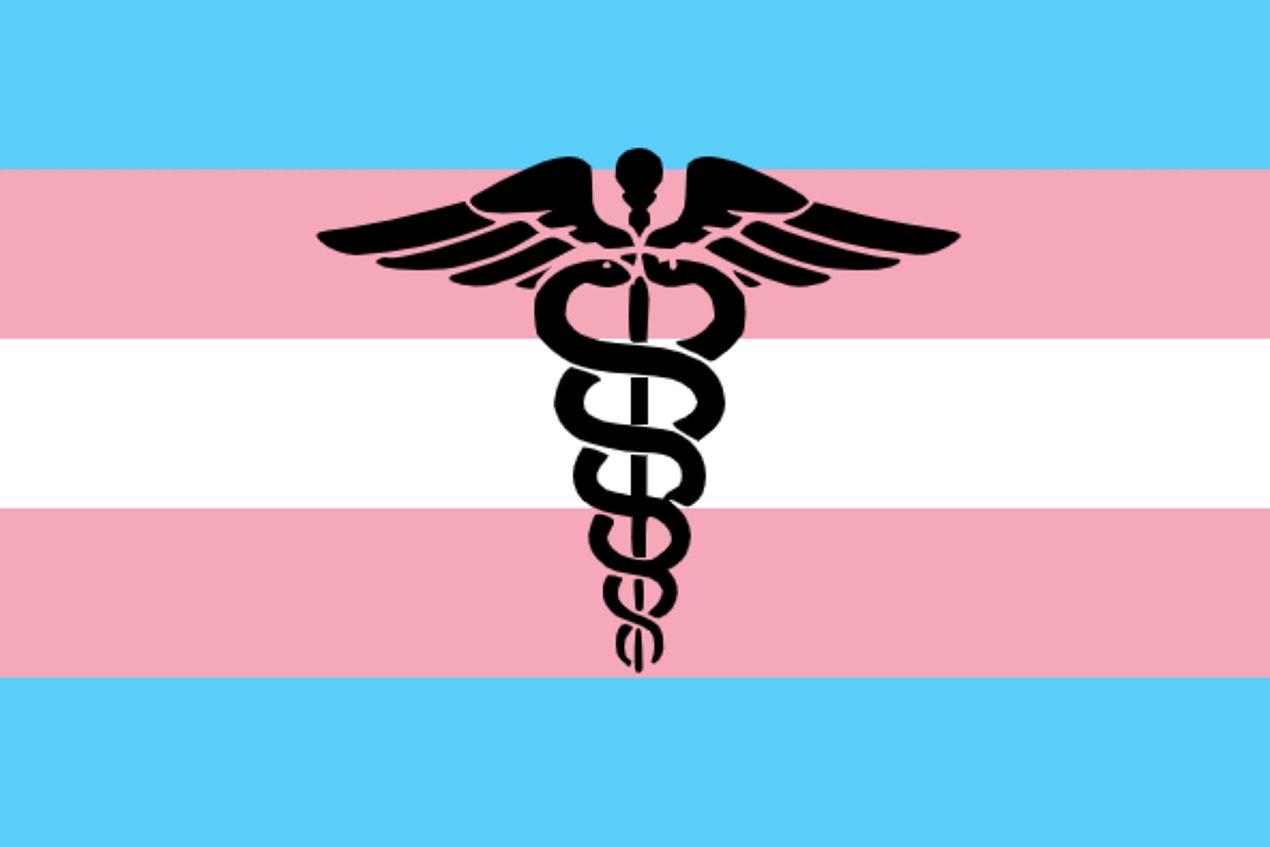
Gender affirming care is a comprehensive approach to healthcare that supports individuals whose gender identity differs from the sex assigned to them at birth. It focuses on affirming a person’s gender identity through medical, psychological, and social support. As awareness around gender diversity grows globally, gender affirming care has become an essential topic in healthcare, human rights, and public policy discussions.
What Is Gender Affirming Care?
Gender affirming care refers to a range of services designed to help transgender and gender-diverse people live comfortably and authentically. These services may include mental health counseling, hormone therapy, voice therapy, hair removal, and surgical procedures. Not every individual seeks all forms of care; gender affirming care is highly personalized and based on individual needs and choices.
Importantly, gender affirming care is not limited to medical treatments. It also includes social affirmation, such as using a person’s chosen name and pronouns, and legal support for changing identity documents. At its core, the goal is to reduce gender dysphoria and improve overall well-being.
Types of Gender Affirming Care
Gender affirming cares can be broadly divided into several categories:
Social and Psychological Support
This includes counseling, therapy, and peer support groups. Mental health professionals help individuals explore their gender identity, cope with stress, and address anxiety or depression. Social support plays a vital role in building confidence and resilience.
Medical Gender Affirming Care
Medical options may include puberty blockers for adolescents, hormone replacement therapy (HRT) for adults, and gender affirming surgeries. These treatments are provided following established medical guidelines and careful evaluation by healthcare professionals.
Legal and Administrative Support
Legal gender affirmation involves changing names and gender markers on official documents such as passports, Aadhaar cards, or driver’s licenses, depending on the country. This process helps individuals avoid discrimination and ensures dignity in everyday interactions.
Why Gender Affirming Care Is Important

Research consistently shows that access to gender affirming cares improves mental health outcomes. Transgender individuals who receive appropriate care report lower rates of depression, anxiety, and suicidal thoughts. Feeling affirmed and respected significantly enhances quality of life.
Beyond health outcomes, gender affirming cares promotes social inclusion and human dignity. It recognizes that gender diversity is a natural part of human experience and ensures that individuals are not forced to conform to identities that cause distress.
Gender Affirming Care and Youth
Gender affirming care for children and adolescents often focuses on psychological support and, in some cases, puberty blockers. These treatments are fully reversible and give young people time to explore their identity without the pressure of irreversible physical changes. Decisions involving minors are typically made with parents, caregivers, and medical specialists working together.
It is important to clarify that gender affirming cares for youth is cautious, evidence-based, and guided by strict medical protocols.
Addressing Common Myths and Misconceptions
There are many misconceptions surrounding gender affirming care. One common myth is that it is experimental or unsafe. In reality, many aspects of gender affirming cares have been practiced for decades and are supported by major medical organizations worldwide.
Another misconception is that individuals are pressured into medical procedures. In truth, gender affirming cares emphasizes informed consent, personal choice, and individualized treatment plans.
The Future of Gender Affirming Care
As societies become more inclusive, the demand for accessible and affordable gender affirming cares continues to grow. Policymakers, healthcare providers, and communities play a crucial role in ensuring safe access to these services. Ongoing research, education, and respectful dialogue are essential for building understanding and reducing stigma.
Gender affirming care is a vital component of modern healthcare that supports the physical, mental, and emotional well-being of transgender and gender-diverse individuals. By recognizing identity, respecting choice, and providing evidence-based support, gender affirming cares helps people live healthier, more authentic lives. As awareness increases, inclusive and compassionate care remains key to a more equitable future.
Homosexual Marriage in India is Legal or Illegal
Live-in Relationship Laws in India
Read Also: Dating Or Matrimony Website Design