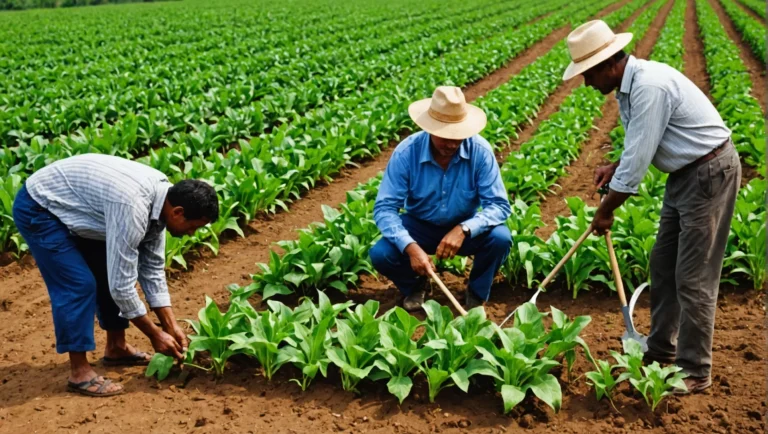
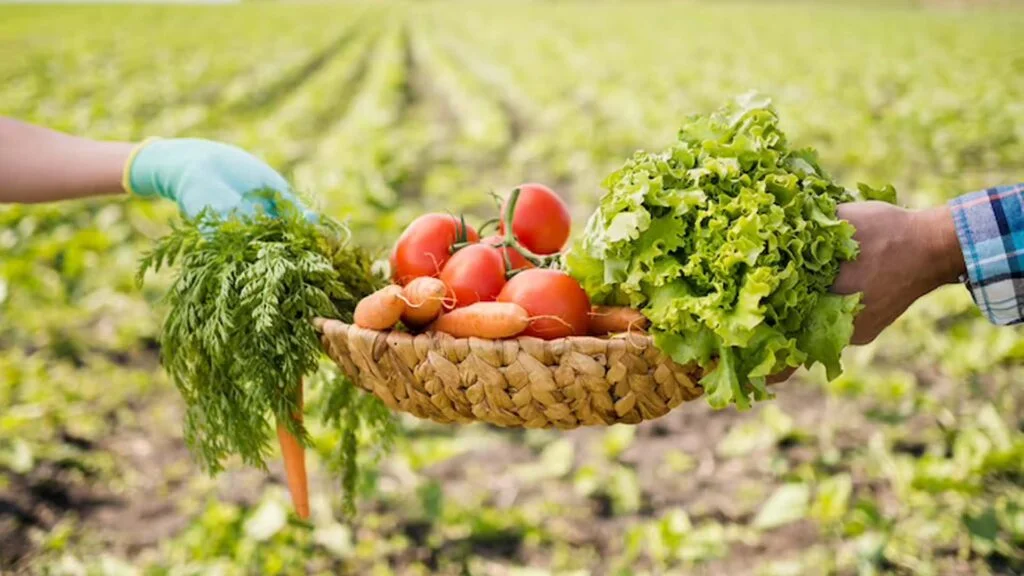
The agricultural marketplace plays a crucial role in connecting farmers, buyers, suppliers, and agri-businesses within a unified ecosystem. As agriculture evolves with technology and globalization, modern agricultural marketplaces are no longer limited to local mandis or physical auctions. Instead, they have become digital, data-driven platforms that empower farmers, ensure fair pricing, and streamline the supply chain.
In today’s competitive and fast-changing environment, agricultural marketplaces are reshaping how food is produced, traded, and consumed worldwide.
What Is an Agricultural Marketplace?
An agricultural marketplace is a platform—physical or digital—where agricultural products such as crops, grains, fruits, vegetables, livestock, seeds, fertilizers, and equipment are bought and sold. These marketplaces serve as a bridge between producers and buyers, including wholesalers, retailers, exporters, food processors, and consumers.
With the rise of digital agriculture, online agricultural marketplaces now offer real-time pricing, transparent transactions, logistics support, and access to a broader market, making farming more profitable and efficient.
Importance of Agricultural Marketplaces for Farmers
Agricultural marketplaces are vital for farmer empowerment. Traditionally, farmers relied on middlemen, which often led to lower profit margins and limited market access. Modern marketplaces address these challenges by offering:
- Fair and transparent pricing
- Direct access to buyers
- Reduced dependency on intermediaries
- Faster payments and digital transactions
- Market insights and demand forecasting
These benefits help farmers make informed decisions, improve income stability, and reduce post-harvest losses.
Role of Technology in Agricultural Marketplaces
Technology has revolutionized the agricultural marketplace ecosystem. Digital platforms leverage tools such as mobile apps, AI, IoT, and data analytics to improve efficiency and transparency.
Key technological advancements include:
- Online trading platforms for crops and produce
- Real-time price discovery based on demand and supply
- AI-based quality assessment and grading
- Integrated logistics and warehousing solutions
- Digital payments and traceability systems
These innovations not only enhance trust between buyers and sellers but also improve overall supply chain efficiency.
Benefits for Buyers and Agri-Businesses
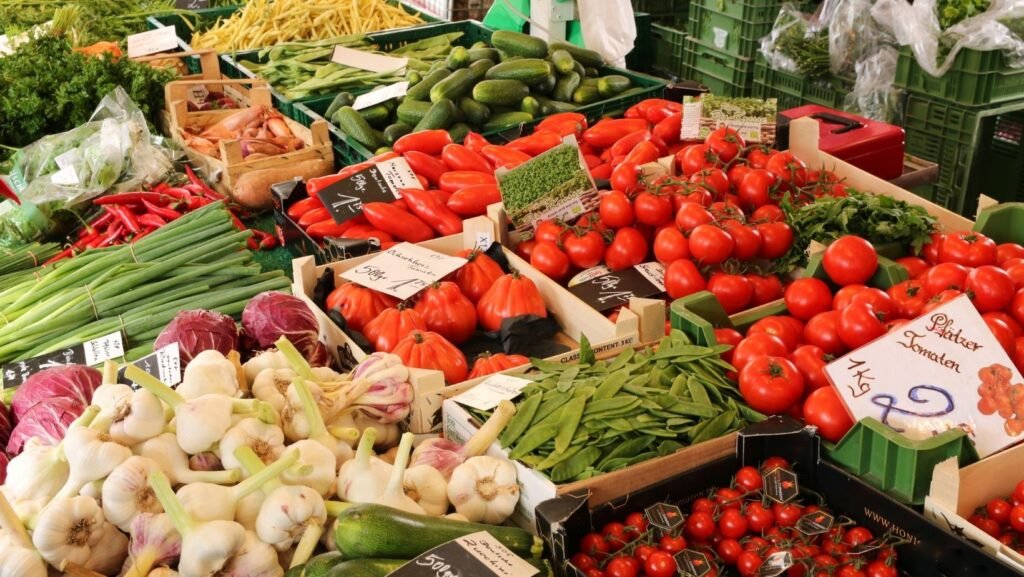
Agricultural marketplaces are equally beneficial for buyers, retailers, exporters, and agri-businesses. They provide consistent access to quality produce while reducing procurement costs.
Major advantages include:
- Bulk sourcing at competitive prices
- Quality assurance and standardization
- Reduced procurement time
- Better inventory planning
- Access to a wide supplier network
By leveraging agricultural marketplaces, businesses can ensure stable supply, minimize risks, and scale operations efficiently.
Challenges in the Agricultural Marketplace Ecosystem
Despite their advantages, agricultural marketplaces face several challenges. These include limited digital literacy among farmers, inadequate rural infrastructure, price volatility, and logistical constraints. Trust and quality consistency can also be concerns in online platforms.
However, government initiatives, agri-tech startups, and public-private partnerships are actively working to overcome these challenges through training programs, policy reforms, and infrastructure development.
The Future of Agricultural Marketplaces
The future of agricultural marketplaces lies in greater digital adoption, sustainability, and global integration. Emerging trends such as blockchain for traceability, climate-smart agriculture, and AI-powered demand forecasting will further strengthen the ecosystem.
As consumer demand for transparency, organic produce, and sustainable sourcing grows, agricultural marketplaces will play a key role in shaping resilient and inclusive food systems.
Agricultural marketplaces are transforming traditional farming into a more transparent, profitable, and technology-driven industry. By connecting farmers directly with buyers and integrating digital tools, these platforms are improving livelihoods, reducing inefficiencies, and ensuring food security.
As innovation continues to accelerate, agricultural marketplaces will remain at the heart of the global agricultural economy, driving growth, sustainability, and fairness for all stakeholders.
Trends, opportunities and challenges of farm mechanization in India
Success stories and lessons from India’s agricultural cooperatives
Read Also: Laravel Framework Web Development