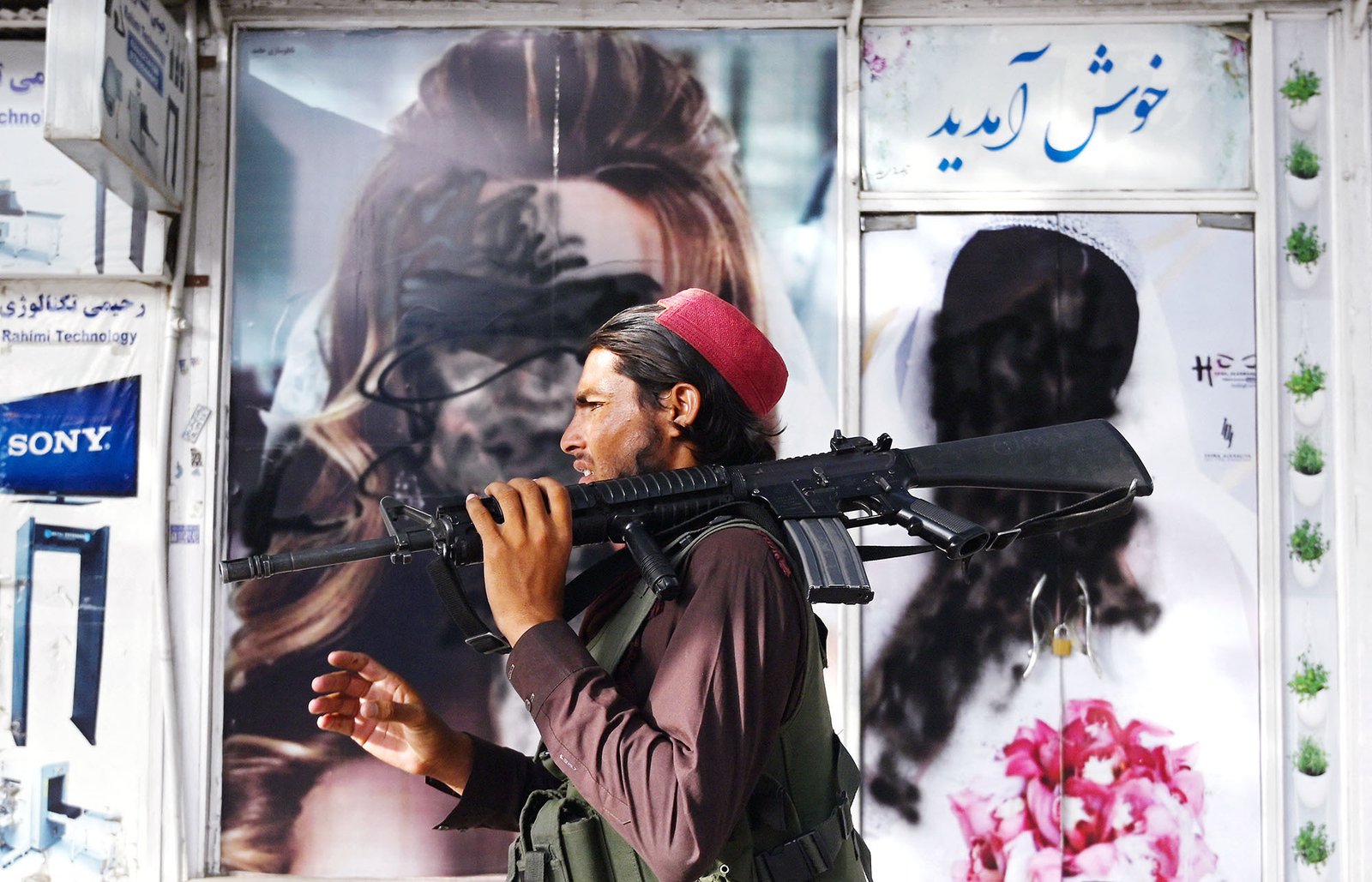
The question “Is the Taliban a terrorist organization?” has been debated for decades, especially after their rise and fall from power in Afghanistan. Different countries and international bodies classify the group differently, leading to confusion for many readers. This article provides a clear, SEO-friendly explanation of the Taliban’s history, global designations, political status, and how the world views them today.
Who Are the Taliban?
The Taliban emerged in the early 1990s in northern Pakistan after the withdrawal of Soviet forces from Afghanistan. Comprised mainly of students (“Talib” means student), they aimed to establish a strict Islamic government based on their interpretation of Sharia law. By 1996, the Taliban took control of Kabul and ruled most of Afghanistan until 2001.
Global Classification: Is the Taliban Listed as a Terrorist Group?
The classification of the Taliban varies widely:
1. The United Nations
The UN does not officially designate the Taliban as a terrorist organization, but many Taliban leaders are listed under UN sanctions for involvement in terrorism, violence, and human rights abuses.
2. The United States
The U.S. does not label the Taliban as a Foreign Terrorist Organization (FTO).
However, the Taliban is categorized under Specially Designated Global Terrorists (SDGTs) for their support of terrorism, especially their long-standing ties with Al-Qaeda.
3. The European Union
The EU does not classify the Taliban as a terrorist organization but imposes heavy sanctions on its leaders.
4. India, Russia, and China
- India labels the Taliban as a terrorist organization.
- Russia designated the Taliban as a terrorist group in 2003 but opened communication channels after 2021.
- China does not classify the Taliban as terrorists and engages diplomatically for regional stability.
This mixed global stance creates ambiguity in defining the group universally.
Why Many Nations Consider the Taliban Terrorists
Even though classification differs, several factors contribute to many governments viewing the Taliban as a terrorist entity.
1. History of Violent Insurgency
The Taliban has carried out:
- Suicide bombings
- Attacks on civilians
- Targeted killings
- Armed insurgency against Afghan and international forces
These actions align with common definitions of terrorism.
2. Support for Extremist Groups
The Taliban maintained close ties with Al-Qaeda, offering them safe haven before the 9/11 attacks. Their collaboration in extremist training camps further strengthens the perception of terrorism.
3. Human Rights Violations
International bodies have criticized the Taliban for:
- Restrictions on women’s education and employment
- Use of harsh punishments
- Suppression of free speech
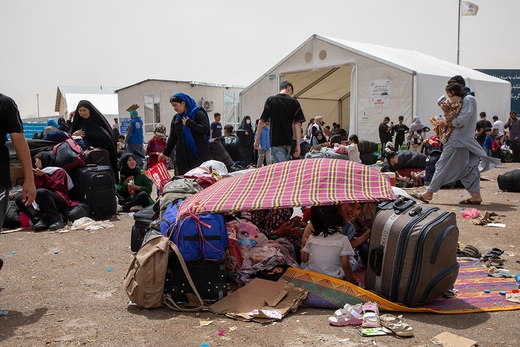
- Forced displacement
These humanitarian concerns add to the group’s negative global image.
Taliban’s View of Themselves
The Taliban rejects the label of terrorism.
They portray themselves as:
- A legitimate political movement
- A national resistance against foreign occupation
- A governing authority representing Afghan values
After regaining control of Afghanistan in 2021, they sought international recognition as a government rather than a militant group.
International Recognition After 2021
Despite the Taliban forming a government in Afghanistan, no major country has officially recognized their regime.
The lack of recognition is primarily due to:
- Concerns over terrorism
- Restrictions on women
- Global security risks
- Uncertainty about stability
Countries maintain diplomatic engagement but stop short of formal recognition.
The answer depends on which country’s definition you follow.
- Some nations classify the Taliban as terrorists.
- Others treat them as a political or military entity.
- Many simply impose sanctions without using the “terrorist” label.
However, due to their history of violence, extremist ties, and human rights violations, the Taliban remains widely associated with terrorism globally.
Understanding these distinctions helps in analyzing global politics, security issues, and Afghanistan’s complex future.
How America Became the Most Powerful Country
Read Also: Social Network Website Design