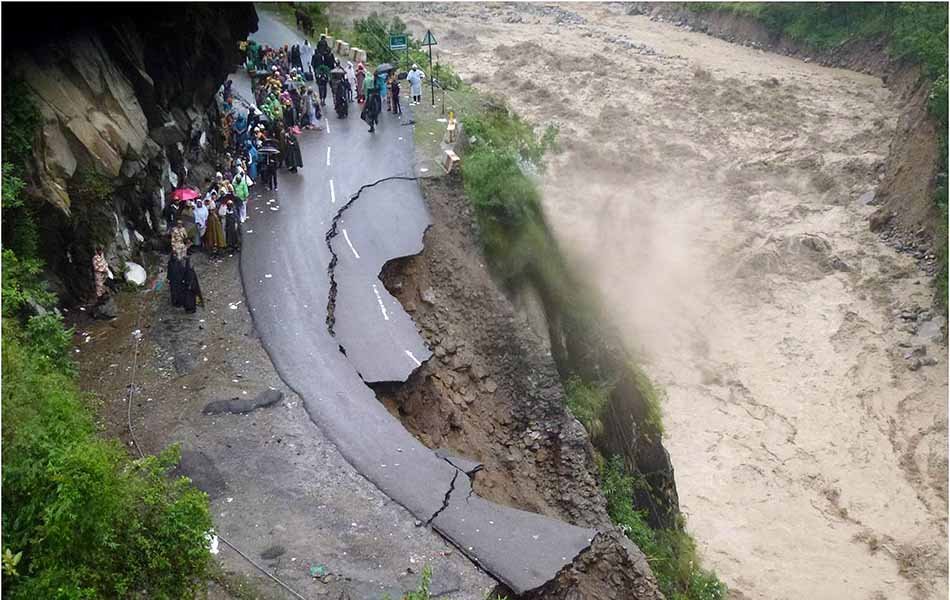
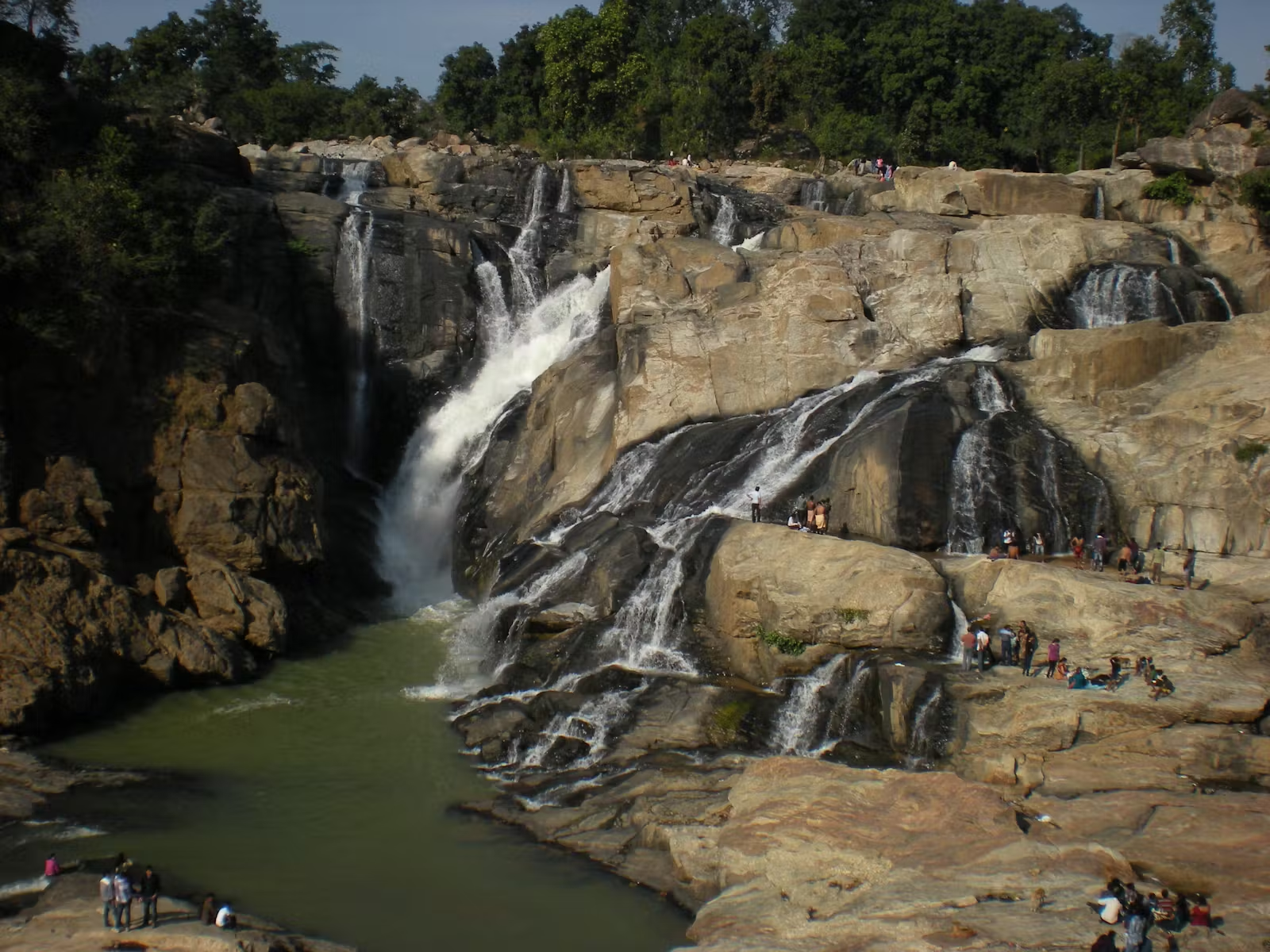
India, often referred to as the land of rivers, has an extensive network of rivers that play a vital role in shaping its geography, culture, and economy. The rivers of India not only provide water for drinking and irrigation but also serve as sacred symbols in religious practices. From the mighty Ganga to the serene Godavari, Indian rivers nourish millions of lives, making them the true lifelines of the nation.
Importance of Rivers in India
Rivers in India hold immense importance. They are the primary source of water for agriculture, which forms the backbone of the Indian economy. These rivers provide hydroelectric power, support biodiversity, and serve as transportation routes. Beyond physical benefits, rivers like the Ganga, Yamuna, and Saraswati are revered in Indian mythology and are deeply integrated into the country’s traditions and festivals.
Major River Systems in India
India’s river systems are divided into two categories – Himalayan rivers and Peninsular rivers.
- Himalayan Rivers
These rivers originate from the snow-capped Himalayas. They are perennial, meaning they flow throughout the year. Examples include the Ganga, Yamuna, Indus, and Brahmaputra. Due to glaciers feeding them, they have a continuous water supply, making them crucial for irrigation and agriculture in northern India. - Peninsular Rivers
Originating from the Western Ghats or central highlands, Peninsular rivers are mostly rain-fed and seasonal. However, rivers like the Godavari, Krishna, and Kaveri flow throughout the year, playing a significant role in southern India’s agriculture and water supply.
The Sacred Ganga – The Holiest River
The Ganga River is the most worshiped river in India. Originating from the Gangotri glacier in Uttarakhand, it flows through Uttar Pradesh, Bihar, and West Bengal before emptying into the Bay of Bengal. Apart from being a sacred river for Hindus, the Ganga supports agriculture and provides water to millions of people. Major cities like Varanasi, Kanpur, and Kolkata thrive along its banks.
Yamuna – A River of Mythology
The Yamuna River, a major tributary of the Ganga, originates from Yamunotri in Uttarakhand. It is closely linked with the tales of Lord Krishna and holds immense religious significance. Flowing through Delhi, the Yamuna is crucial for water supply in the national capital, even though it faces pollution challenges.
Brahmaputra – The Mighty River of the Northeast
The Brahmaputra River originates from Tibet and flows through Arunachal Pradesh and Assam before merging with the Ganga in Bangladesh. Known for its vast water volume, it is the lifeline of the northeastern states. The fertile Brahmaputra valley supports tea cultivation, rice farming, and fisheries. Its annual floods, although destructive, deposit nutrient-rich silt, enhancing soil fertility.
Godavari – The Dakshin Ganga
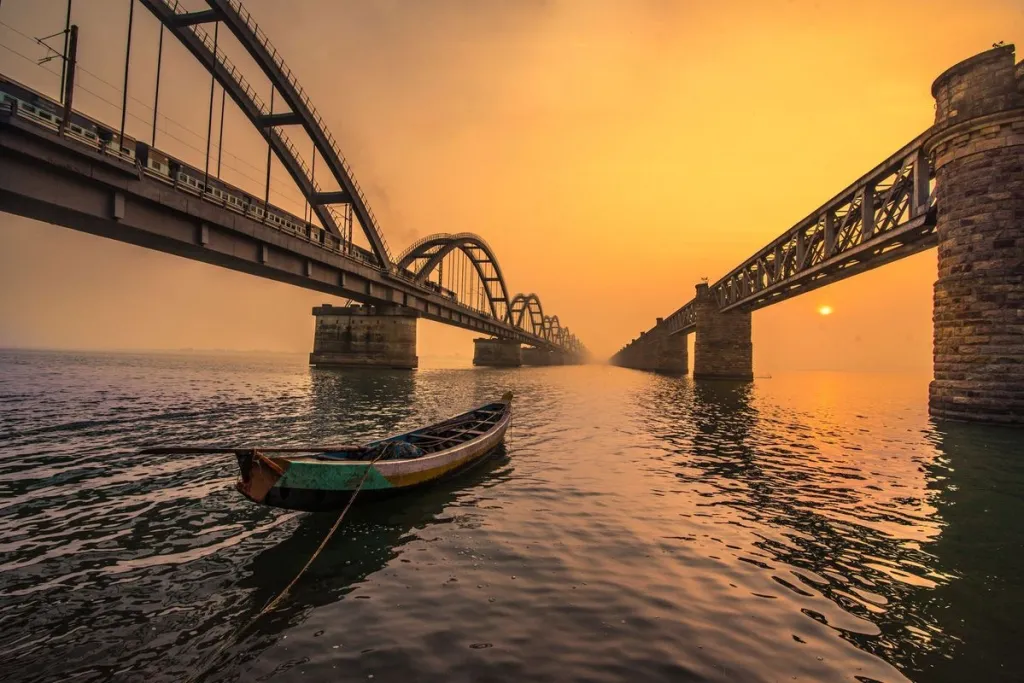
The Godavari River, often called the “Dakshin Ganga” or “Ganga of the South,” is the second-longest river in India. Originating in Maharashtra, it flows across Telangana, Andhra Pradesh, and empties into the Bay of Bengal. It is crucial for agriculture in central and southern India and sustains millions of farmers.
Krishna and Kaveri – Lifelines of the South
The Krishna River originates from Maharashtra and flows through Karnataka, Telangana, and Andhra Pradesh. Similarly, the Kaveri River, originating from Karnataka’s Western Ghats, is vital for Tamil Nadu and Karnataka. These rivers have been at the center of water-sharing disputes but remain essential for irrigation, drinking water, and hydropower.
Role of Rivers in Indian Culture
Rivers of India are not just water bodies; they are symbols of spirituality, purity, and sustenance. Festivals like Kumbh Mela are celebrated on riverbanks, and rituals such as immersing idols during Ganesh Chaturthi highlight the cultural bond with rivers. For centuries, poets, saints, and writers have glorified rivers in their works.
Challenges Facing Indian Rivers
Despite their importance, rivers in India face severe challenges like pollution, over-extraction of water, encroachment, and climate change. Industrial waste, untreated sewage, and plastic pollution threaten river ecosystems. Sustainable water management, afforestation, and strict pollution control laws are necessary to revive and preserve these lifelines.
The Rivers in India are more than just geographical features – they are the foundation of life, culture, and economy. From providing water and food security to serving as spiritual centers, rivers hold unmatched significance. Preserving and protecting them is essential for India’s sustainable future.
Char Dham by Adi Shankaracharya
Read Also: Tours And Travels Website Design