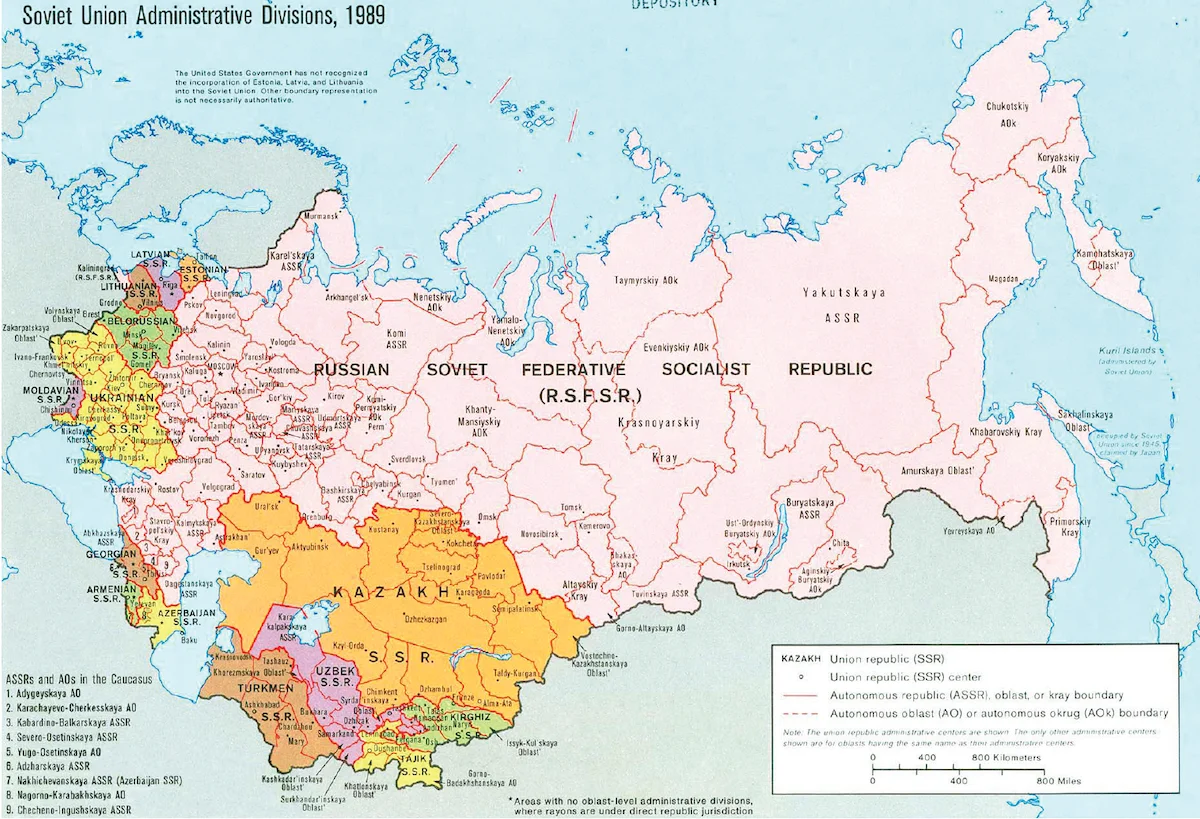
The Soviet Union was one of the most powerful political entities in the world during the 20th century. Officially known as the Union of Soviet Socialist Republics (USSR), it existed from 1922 to 1991 and consisted of multiple republics across Eastern Europe and Asia. However, in 1991 the Soviet Union collapsed and divided into 15 independent countries. This historic event changed global politics, economics, and international relations. Understanding why the Soviet Union divided requires examining political, economic, and social factors that gradually weakened the state.
1. Economic Crisis and Weak Central Planning
One of the most important reasons behind the division of the Soviet Union was its failing economic system. The Soviet economy operated under a centralized planning system, where the government controlled production, pricing, and distribution of goods.
Although this system worked during the early industrialization period, it became inefficient over time. By the 1980s, industries were outdated, productivity was low, and consumer goods were scarce. Citizens often faced long lines for basic items like food and clothing.
In contrast, Western countries with market-based economies experienced rapid growth and technological advancement. The economic gap between the USSR and Western nations continued to widen, creating dissatisfaction among citizens and weakening the authority of the central government.
2. Political Reforms by Mikhail Gorbachev
Another major factor was the political reforms introduced by Mikhail Gorbachev, the last leader of the Soviet Union. When he came to power in 1985, he attempted to reform the failing system through two important policies: Glasnost (openness) and Perestroika (restructuring).
Glasnost encouraged freedom of speech and allowed citizens to openly criticize government policies. Perestroika aimed to reform the economic system by introducing limited market elements.
While these reforms were intended to strengthen the Soviet Union, they had unintended consequences. Increased freedom led to rising criticism of the government and encouraged nationalist movements in different republics. As people gained more political awareness, demands for independence grew stronger.
3. Rise of Nationalism in Soviet Republics
The Soviet Union consisted of many different ethnic groups and cultures, including Russians, Ukrainians, Georgians, Lithuanians, and others. For decades, the central government in Moscow maintained strict control over these regions.
However, during the late 1980s, nationalist movements began to emerge across several republics. Countries such as Lithuania, Estonia, and Latvia started demanding independence.
These movements gained public support as citizens wanted political freedom, economic autonomy, and the ability to preserve their cultural identities. As more republics declared sovereignty, the unity of the Soviet Union began to crumble.
4. The Cold War Pressure
Another important reason behind the division of the Soviet Union was the prolonged tension with the United States during the Cold War.
The Soviet Union spent a massive portion of its resources on military competition with the United States, including nuclear weapons and space technology. Maintaining this arms race placed enormous pressure on the already struggling economy.
Defense spending drained financial resources that could have been used to improve infrastructure, technology, and public welfare. Over time, this economic burden contributed significantly to the weakening of the Soviet state.
5. The Failed August 1991 Coup
The final turning point occurred during the 1991 Soviet coup attempt. Hardline Communist leaders attempted to overthrow Gorbachev and stop his reforms.
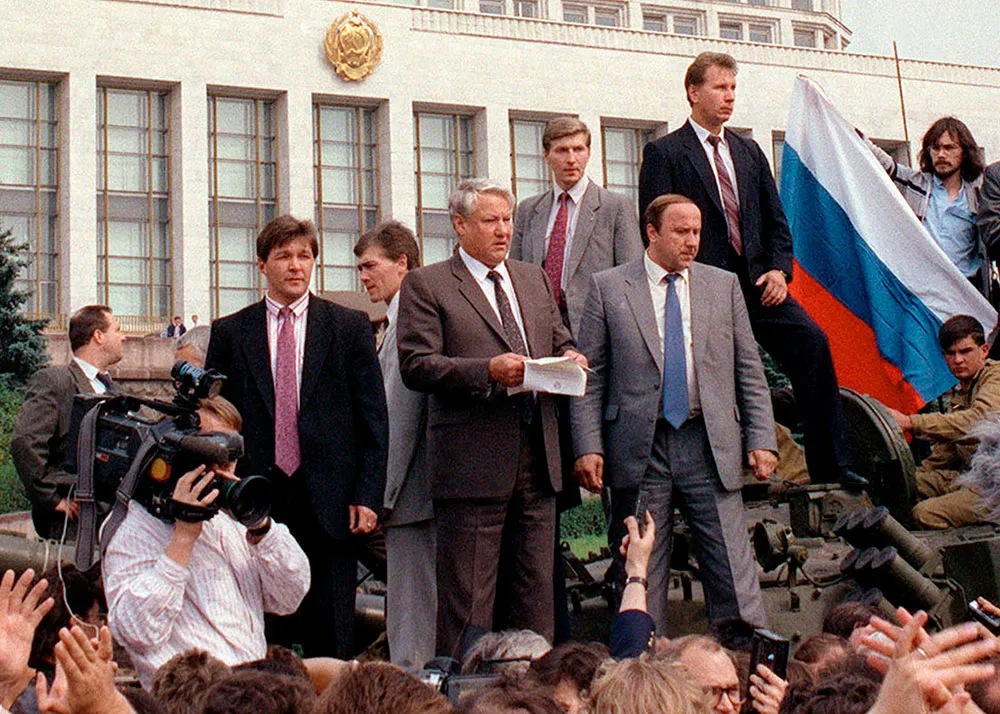
However, the coup failed due to massive public resistance and political opposition led by Boris Yeltsin, who later became the first president of Russia.
After the coup attempt collapsed, several republics quickly declared independence. The authority of the Soviet government completely disintegrated.
6. Official Dissolution of the Soviet Union
Finally, on December 26, 1991, the Soviet Union officially dissolved. The USSR separated into independent countries such as Russia, Ukraine, Belarus, and others.
This marked the end of one of the largest superpowers in world history and also brought the Cold War era to a close.
The division of the Soviet Union was not caused by a single event but by a combination of economic failure, political reforms, rising nationalism, and international pressure. Economic stagnation weakened the system, political openness encouraged criticism, and nationalist movements pushed republics toward independence.
Ultimately, these factors led to the historic collapse of the Soviet Union in 1991, reshaping global geopolitics and creating a new world order that continues to influence international relations today.
Read Also: Social Network Website Design