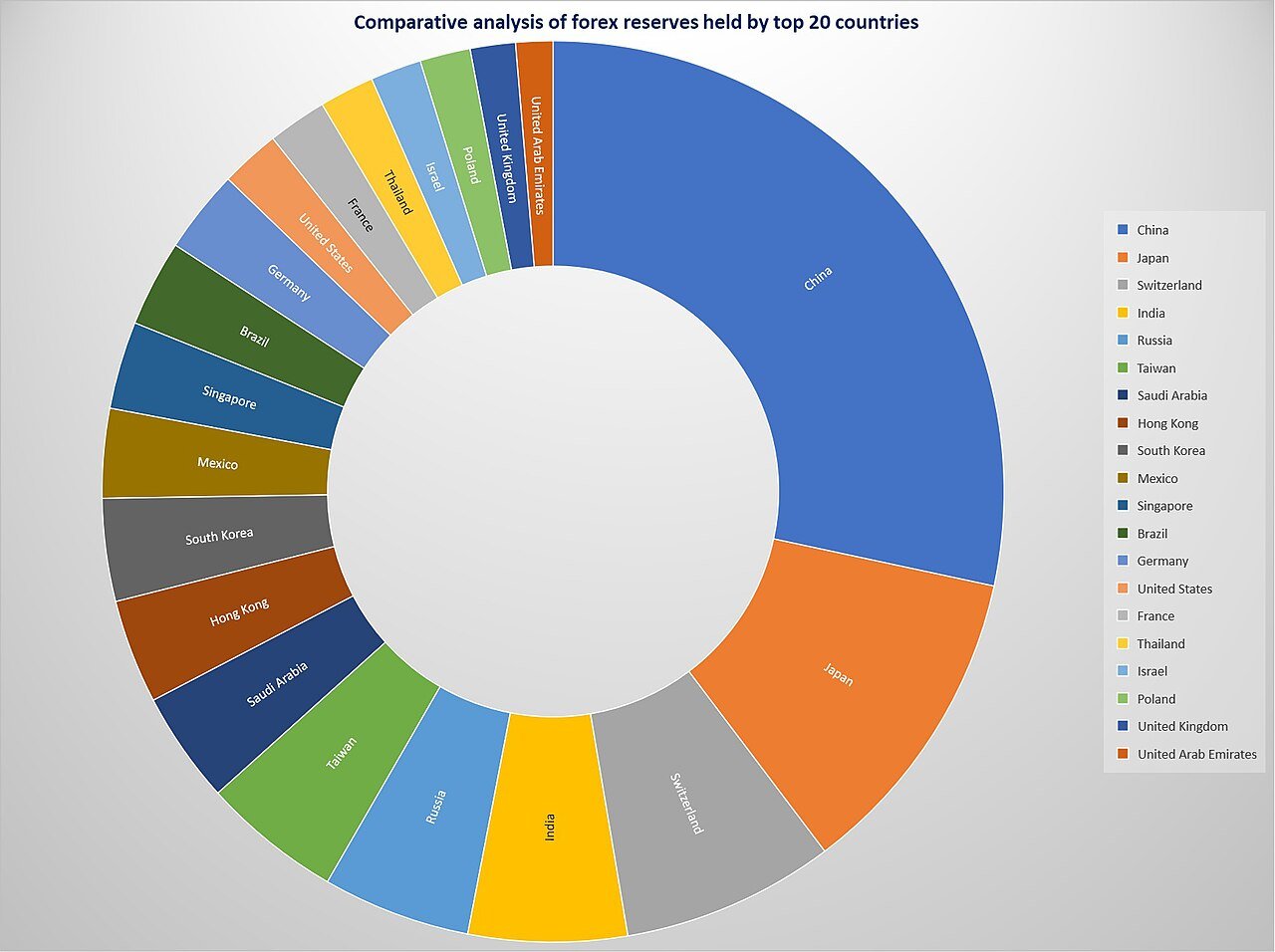
The concept of a global reserve currency plays a crucial role in international trade, finance, and economic stability. For decades, the US dollar has dominated as the world’s primary reserve currency. However, with shifting economic power, geopolitical tensions, and the rise of new technologies, many experts are asking: what is the world’s next reserve currency?
What Is a Reserve Currency?
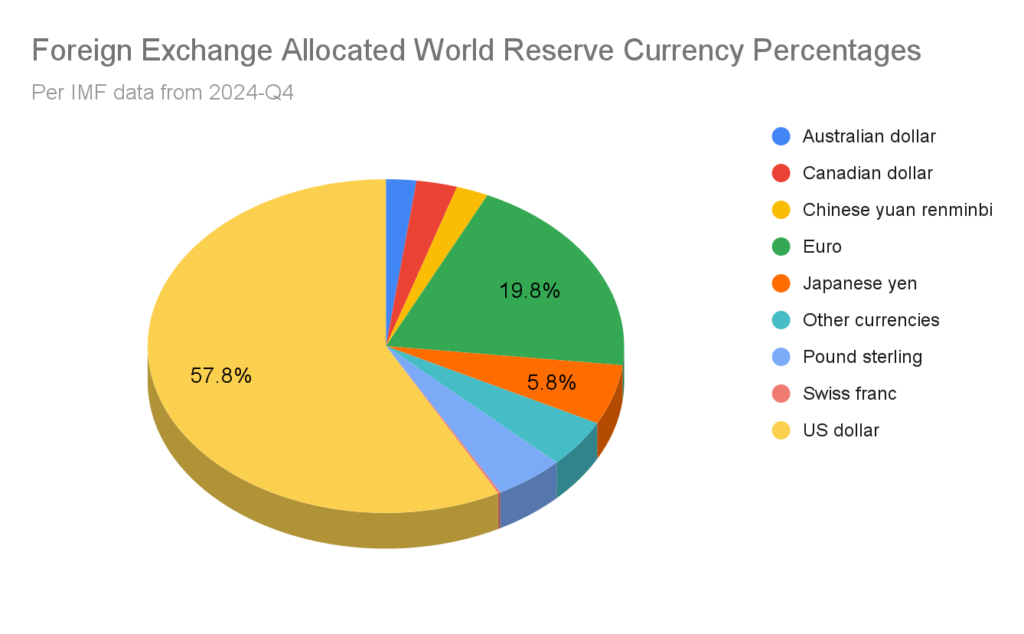
A reserve currency is a foreign currency held in significant quantities by governments and central banks. It is used for international trade, investments, and to stabilize a country’s own currency. The US dollar remains the dominant reserve currency due to its stability, liquidity, and the strength of the US economy.
Why Is the US Dollar Dominant?
The dominance of the US dollar comes from several key factors:
- Strong and stable US economy
- Deep financial markets
- Trust in US institutions
- Widespread global acceptance
Additionally, most global commodities like oil are priced in dollars, reinforcing its global importance.
Factors Driving Change in Reserve Currency Trends
Several global changes are challenging the dollar’s dominance:
1. Rise of Emerging Economies
Countries like China and India are growing rapidly, increasing their influence in global trade and finance.
2. Geopolitical Tensions
Sanctions and trade conflicts have pushed some countries to seek alternatives to reduce dependence on the dollar.
3. Digital Currency Innovation
Central Bank Digital Currencies (CBDCs) and cryptocurrencies are changing how money moves globally.
Potential Candidates for the Next Reserve Currency
1. Chinese Yuan (Renminbi)
The Chinese yuan is often considered the strongest contender. China is the world’s second-largest economy and a major global trade partner.
Advantages:
- Strong trade network
- Growing international usage
- Government-backed digital yuan initiatives
Challenges:
- Capital controls
- Lack of full financial transparency
2. Euro
The euro is already the second most used reserve currency globally.
Advantages:
- Large economic bloc (European Union)
- Stable financial systems
Challenges:
- Political fragmentation
- Economic differences among member countries
3. Digital Currencies (CBDCs & Cryptocurrencies)
Digital currencies are gaining popularity as a contemporary option.
CBDCs (Central Bank Digital Currencies):
- Controlled by governments
- Faster and cheaper transactions
Cryptocurrencies (like Bitcoin):
- Decentralized
- Limited supply
Challenges:
- Regulatory uncertainty
- Volatility (especially for crypto)
4. A Multi-Currency System
Instead of a single dominant currency, the future may involve multiple reserve currencies working together.
Benefits:
- Reduced dependency on one country
- More balanced global financial system
This system could include the US dollar, euro, yuan, and digital currencies.
Challenges in Replacing the US Dollar
Replacing the dollar is not easy due to:
- Strong global trust in US financial systems
- Massive dollar reserves held worldwide
- Network effects (everyone already uses it)
Any new reserve currency must offer stability, liquidity, and global trust—something that takes decades to build.
Future Outlook-What Will Happen?
Most experts believe that the US dollar will remain dominant in the near future. However, its share may gradually decline as other currencies gain importance.
The most likely scenario is not a single replacement, but a diversified system where multiple currencies share global reserve status.
The question “what is the world’s next reserve currency” does not have a simple answer. While the Chinese yuan, euro, and digital currencies show promise, none are yet ready to fully replace the US dollar. Instead, the future may bring a more balanced, multi-currency global system.
Read Also : Social Network Website Design