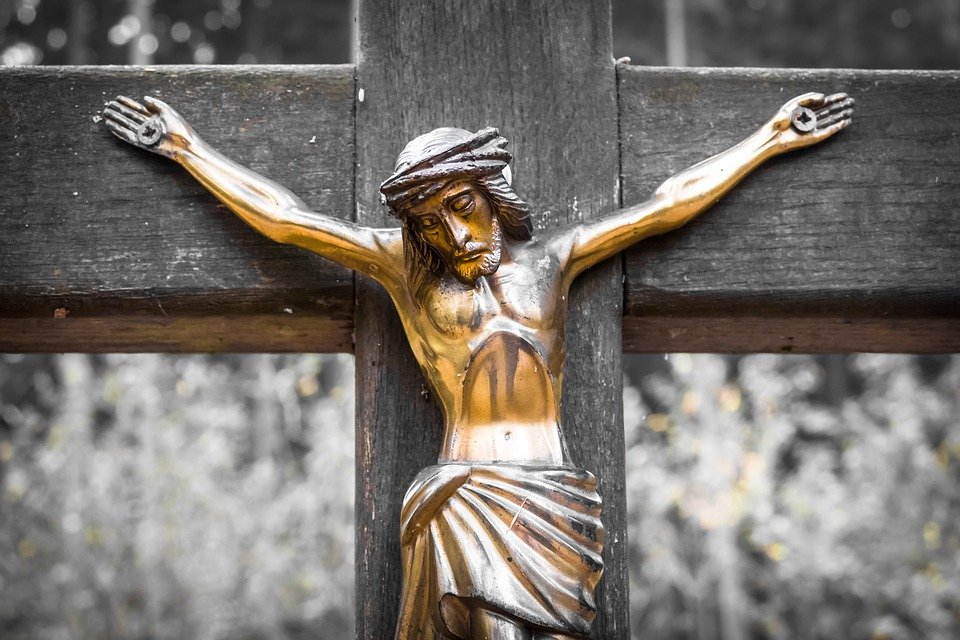
One of the most important days in the Christian calendar is Good Friday. It is observed across the world by millions of Christians to remember the crucifixion and death of Jesus Christ. Although the name contains the word “Good,” the day itself is solemn and dedicated to reflection, prayer, and gratitude. Good Friday is usually observed during the Holy Week, two days before Easter Sunday.
The Meaning of Good Friday
Good Friday marks the sacrifice Jesus Christ made for humanity. According to Christian belief, Jesus willingly suffered and died on the cross to save people from sin. His death is seen as an act of unconditional love and the ultimate expression of forgiveness. The term “Good” symbolizes the goodness that came from Jesus’ sacrifice—victory over sin, hope, and salvation for believers.
Historical Background of Good Friday
The roots of Good Friday go back to the events described in the New Testament of the Bible. Jesus was arrested after the Last Supper, tried, and sentenced to death by crucifixion. He was nailed to a cross on a hill called Golgotha. Christians believe that His sacrifice paved the way for eternal life. Good Friday, along with Easter, became an important part of Christian traditions starting from the early centuries of the Church.
How Good Friday Is Observed
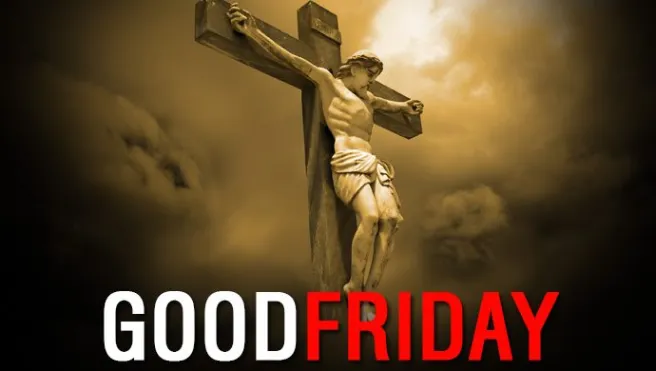
Although the ceremonies vary from culture to culture, the holiday’s core principles are the same everywhere.
Common practices include:
- Fasting and Prayer: Many Christians fast or eat simple meals as a sign of respect.
- Church Services: Special services are held, often including Bible readings and the Stations of the Cross.
- Silence and Reflection: The atmosphere is quiet and respectful, reminding people of Jesus’ suffering.
- Reenactments: In some countries, people perform dramatized versions of Jesus’ final moments.
Good Friday encourages people to reflect on compassion, forgiveness, and faith.
Why Good Friday Is a Holiday
Good Friday is a public holiday in many countries, including India, the United States, the United Kingdom, Australia, and several European and Asian nations. Here are the main reasons why:
1. Religious Significance
The day holds deep meaning for Christians. Governments acknowledge this and provide a holiday so believers can attend prayers and services without any restrictions.
2. Cultural Importance
Good Friday is not only a religious day but also a cultural tradition in many communities. It is part of a long-standing heritage where people spend time with their families, participate in rituals, and honor their faith.
3. Part of the Easter Celebration
Good Friday is directly connected to Easter Sunday. The days between Good Friday and Easter form an important spiritual journey. Making Good Friday a holiday helps people prepare for Easter observances.
Is Good Friday a Holiday in India?
Yes, Good Friday is a national public holiday in India. The majority of private businesses, government agencies, and schools are still closed. Christians across the country attend special church services, while others respect the day through quiet observance.
Why the Day Matters Today
Good Friday is not just a historical event—it carries a message relevant to modern life. It reminds people about sacrifice, kindness, and standing strong in times of suffering. Even for those who are not Christians, the day teaches universal values of compassion and forgiveness.
Good Friday is a meaningful day observed worldwide to honor the crucifixion of Jesus Christ. It is a holiday because of its deep religious, cultural, and historical significance. The day encourages believers and non-believers alike to reflect on love, sacrifice, and humanity. As part of the Easter season, Good Friday continues to inspire millions of people, reminding them that hope follows even the darkest moments.
Big Festival Economy Worldwide
Durga Puja Festival Economy in West Bengal
Read Also : Social Network Website Design