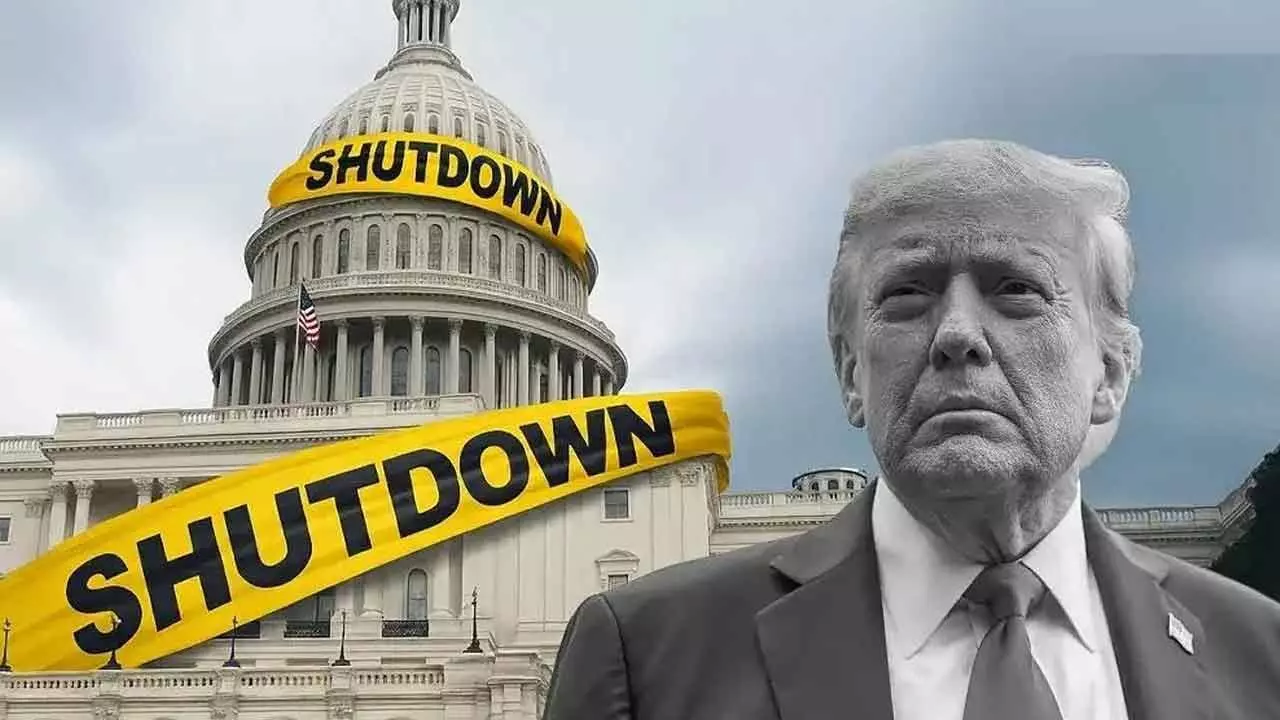
A US government shutdown occurs when Congress fails to pass funding legislation for federal agencies before the fiscal deadline. While often viewed as a political standoff, shutdowns have wide-ranging consequences for government employees, public services, and the broader economy. Understanding how and why these shutdowns happen is crucial for grasping their long-term implications on national stability and public trust.
What Is a US Government Shutdown?
A US government shutdown happens when non-essential federal agencies are forced to halt operations due to a lack of approved funding. This typically occurs when lawmakers cannot agree on budget allocations or a continuing resolution to fund the government temporarily. As a result, many federal employees are furloughed, while essential workers—such as air traffic controllers and law enforcement—continue to work without immediate pay.
Key Reasons Behind Government Shutdowns
The primary cause of a government shutdown is political deadlock. Disagreements often arise over spending priorities, debt ceilings, healthcare reforms, border security, or defense budgets. When opposing parties control different branches of government, passing a unified budget becomes more challenging. These standoffs can escalate into shutdowns when neither side is willing to compromise before funding deadlines.
Immediate Effects on Federal Employees and Services
One of the most visible impacts of a US government shutdown is on federal workers. Hundreds of thousands of employees may be furloughed, facing financial uncertainty until the government reopens. Public services such as national parks, museums, passport processing, and research institutions may be closed or severely limited. This disruption not only affects citizens but also damages morale within the federal workforce.
Economic Impact of a US Government Shutdown
Government shutdowns can significantly affect the US economy. Reduced government spending can slow economic growth, lower consumer confidence, and disrupt financial markets. Small businesses that rely on government contracts or federal tourism often experience revenue losses. According to past estimates, prolonged shutdowns have cost the US economy billions of dollars in lost productivity and delayed economic output.
Impact on Financial Markets and Investors

Financial markets tend to react negatively to prolonged uncertainty caused by a US government shutdown. While short shutdowns may have limited effects, extended ones can lead to stock market volatility and weakened investor confidence. Credit rating agencies may also issue warnings, as repeated shutdowns raise concerns about fiscal responsibility and political stability.
Public Trust and Political Consequences
Repeated government shutdowns erode public trust in elected officials. Many Americans view shutdowns as avoidable crises driven by political agendas rather than public interest. Polls often show declining approval ratings for lawmakers during shutdown periods, particularly for the party perceived as responsible. Over time, this damages confidence in democratic institutions and governance.
How Long Do Government Shutdowns Usually Last?
The duration of a US government shutdown can vary widely. Some last only a few days, while others extend for weeks. The length often depends on the political climate, public pressure, and economic impact. Historically, longer shutdowns tend to force compromises as the consequences become more severe and visible.
Can Future Shutdowns Be Prevented?
Preventing future US government shutdowns requires bipartisan cooperation and structural reforms. Proposals include automatic continuing resolutions, stricter budget deadlines, or penalties for lawmakers during funding lapses. While these solutions are debated, consistent communication and compromise remain the most effective ways to avoid shutdowns.
A US government shutdown is more than a political dispute—it is a disruption that affects millions of lives and the national economy. From furloughed workers to slowed economic growth and weakened public trust, the consequences are far-reaching. Addressing the root causes through bipartisan collaboration is essential to ensure stable governance and protect the country’s economic and institutional health.
Read Also: Social Network Website Design