
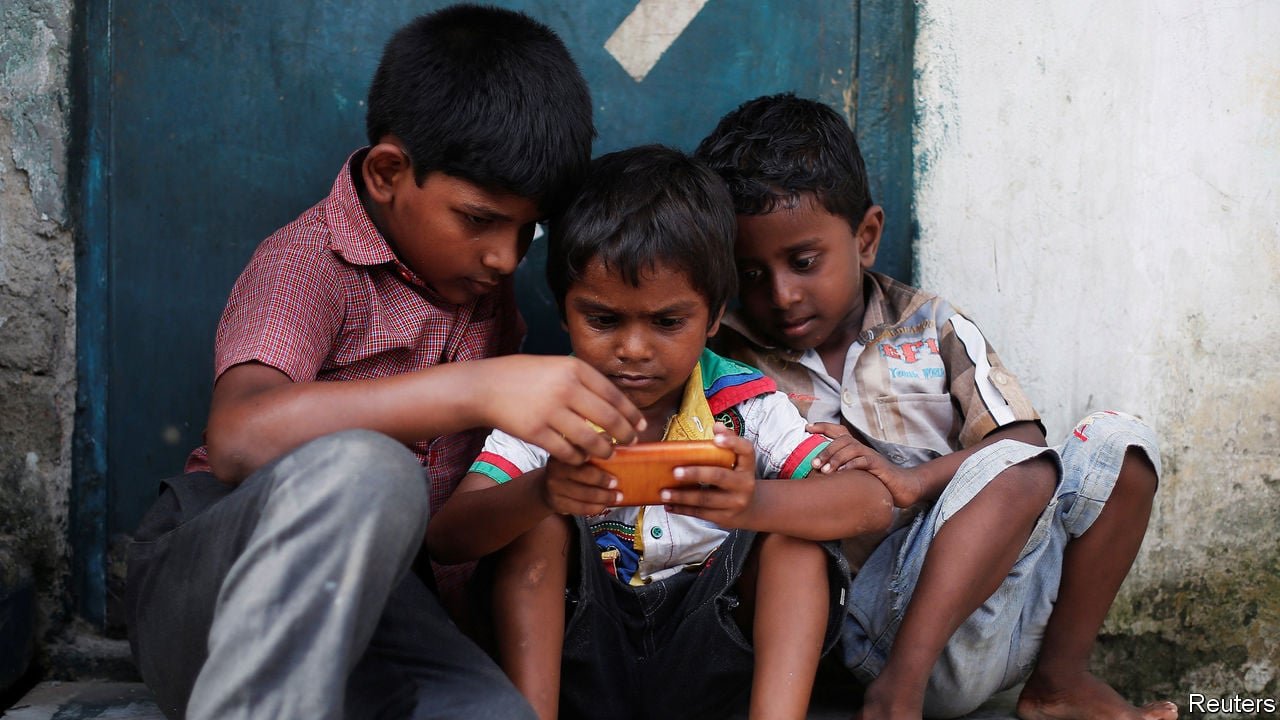
The world has reached a historic digital milestone: two-thirds of humanity is now online. With billions of people connected through the internet, this moment marks a major transformation in how societies communicate, learn, work, and grow. The rapid expansion of internet access is reshaping economies, cultures, and everyday life across the globe.
The Growth of Global Internet Connectivity
Over the past two decades, global internet usage has grown at an unprecedented pace. From limited access in urban areas to widespread availability even in remote regions, connectivity has become a cornerstone of modern development. Affordable smartphones, improved mobile networks, and expanding broadband infrastructure have played a key role in bringing more people online.
Today, more than 5 billion people actively use the internet. This growth has been particularly strong in developing countries, where mobile internet has leapfrogged traditional fixed connections. As a result, digital inclusion is improving, though gaps still remain.
What Two-Thirds Online Means for Society
Having two-thirds of the global population online is more than just a statistic—it represents a profound shift in human interaction. People now rely on the internet for communication, entertainment, education, healthcare, and financial services.
Social media platforms connect individuals across borders, while video conferencing enables remote work and global collaboration. Online education platforms are making learning accessible to millions who previously lacked resources. Telemedicine is improving healthcare access, especially in rural and underserved areas.
Economic Impact of a Connected World
The rise in internet usage has significantly boosted the global digital economy. E-commerce, digital payments, online services, and remote jobs have created new economic opportunities for individuals and businesses alike.
Small businesses can now reach international markets, freelancers can work with global clients, and startups can scale faster than ever before. For many countries, digital transformation has become a key driver of economic growth and innovation.
Bridging the Digital Divide

Despite this impressive progress, one-third of humanity is still offline. The digital divide remains a major challenge, particularly in low-income regions, rural communities, and among older populations.
Barriers such as lack of infrastructure, high costs, low digital literacy, and limited electricity access continue to prevent millions from getting online. Bridging this gap requires coordinated efforts from governments, private companies, and international organizations to invest in infrastructure, affordable access, and digital education.
The Role of Technology in Shaping the Future
As internet access expands, emerging technologies like artificial intelligence, cloud computing, and the Internet of Things (IoT) will further influence daily life. These technologies rely heavily on connectivity and have the potential to improve productivity, sustainability, and quality of life.
However, increased connectivity also brings challenges, including data privacy concerns, cybersecurity threats, and the spread of misinformation. Addressing these issues is essential to ensure a safe and inclusive digital future.
Looking Ahead – Toward Universal Connectivity
The milestone of two-thirds of humanity being online is a powerful reminder of how far the world has come—but also how far it still needs to go. Universal internet access remains a global goal, essential for achieving sustainable development and social equality.
By investing in inclusive digital policies and infrastructure, the world can ensure that the benefits of connectivity reach everyone. As more people come online, the internet will continue to be a driving force for innovation, empowerment, and global connection.
Superstitious Culture in India
Lifestyle of the Indian Jarawa Tribe
Read Also : Social Network Website Design