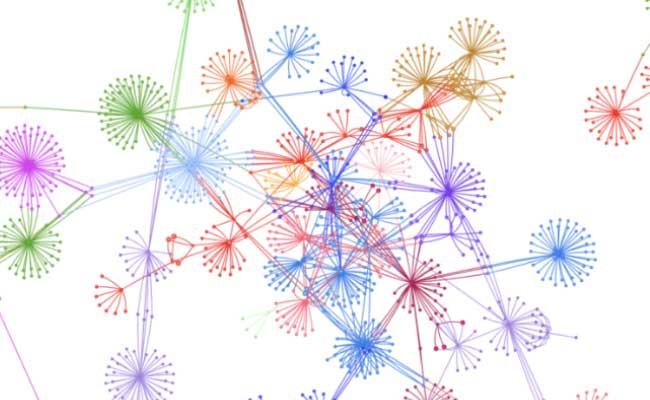
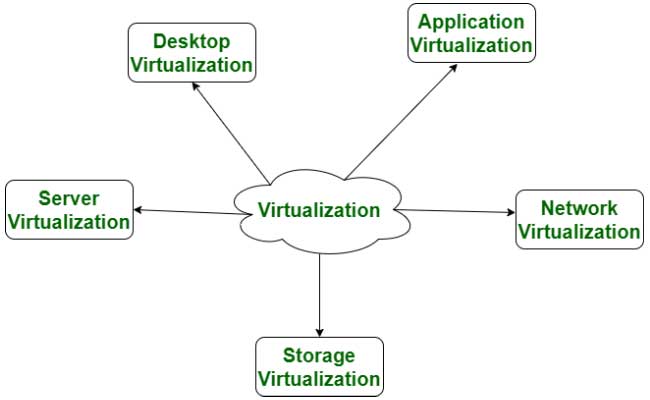
In the last decade, the world has witnessed an unprecedented surge in connected devices. From smartphones and laptops to smart TVs, wearable fitness trackers, and Internet of Things (IoT) sensors, the rapid expansion of digital devices has dramatically transformed how data is created, collected, and consumed. This device explosion has pushed global data generation to new heights, reshaping industries, economies, and everyday life.
Understanding the Device Explosion
The term device explosion refers to the massive increase in the number of digital and internet-connected devices worldwide. Affordable smartphones, widespread internet access, and advancements in cloud computing have made smart devices accessible to billions of people. In addition, IoT technology has enabled everyday objects—such as refrigerators, cars, industrial machines, and home security systems—to connect to the internet and continuously exchange data.
Each of these devices acts as a data source, generating information every second. Whether it’s a mobile app tracking user behavior or a smart sensor monitoring temperature, the sheer volume of connected devices is the foundation behind the exponential growth of data.
How Devices Generate Massive Amounts of Data
Every interaction with a digital device produces data. Smartphones generate data through calls, messages, location tracking, app usage, and multimedia sharing. Wearables collect health metrics like heart rate, sleep patterns, and physical activity. Smart homes generate data from voice assistants, security cameras, lighting systems, and energy meters.
In business environments, connected devices play an even bigger role. Industrial IoT devices monitor production lines, logistics systems track shipments in real time, and retail systems analyze customer behavior. As devices become smarter and more integrated, the frequency and complexity of data generation continue to increase.
The Role of IoT in Data Growth
The Internet of Things is one of the biggest contributors to the data boom. IoT devices are designed to collect and transmit data continuously, often without direct human interaction. Smart cities use sensors to manage traffic, reduce energy consumption, and improve public safety. Healthcare devices monitor patients remotely, generating real-time health data that supports faster and more accurate decision-making.
Because IoT systems operate 24/7, they produce vast streams of structured and unstructured data. This constant flow has significantly pushed data generation beyond traditional limits.
Impact on Big Data and Analytics
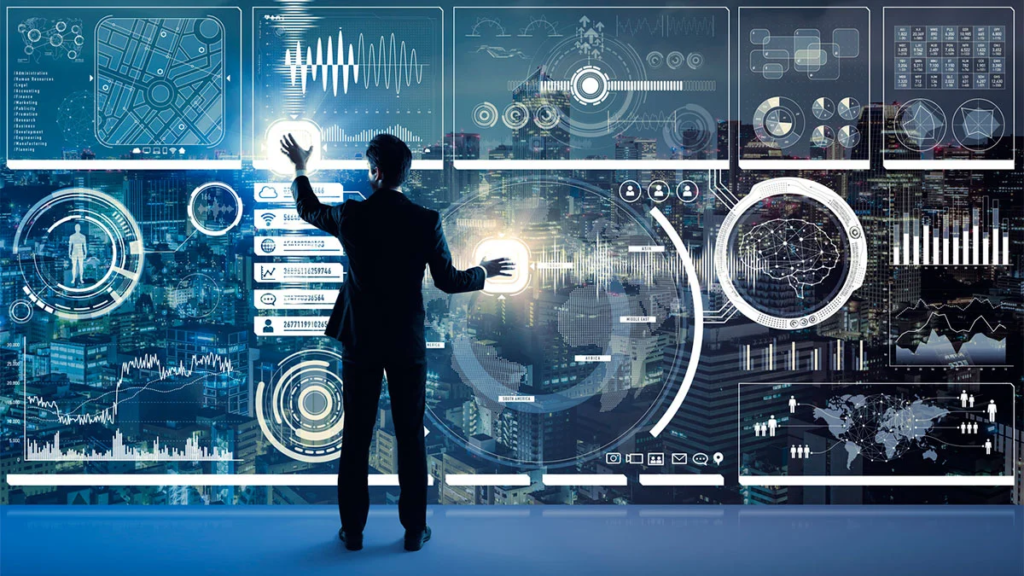
The explosion of data has accelerated the growth of big data analytics. Organizations now rely on advanced analytics tools, artificial intelligence (AI), and machine learning (ML) to process and interpret massive datasets. Businesses use device-generated data to personalize customer experiences, predict market trends, and optimize operations.
For example, e-commerce platforms analyze user behavior across multiple devices to improve recommendations, while financial institutions use real-time data to detect fraud. Without the device-driven data surge, many of these innovations would not be possible.
Challenges of Rapid Data Generation
While increased data generation offers immense opportunities, it also presents challenges. Managing large volumes of data requires scalable storage, high-speed networks, and robust cybersecurity measures. Privacy concerns have become more prominent as devices collect sensitive personal and behavioral information.
Organizations must also address data quality and integration issues, ensuring that information from multiple devices is accurate, secure, and usable. As data grows, so does the need for strong governance and compliance frameworks.
The Future of Data in a Device-Driven World
Looking ahead, the number of connected devices is expected to continue rising. Technologies such as 5G, edge computing, and AI-powered devices will further accelerate data creation. Autonomous vehicles, smart factories, and advanced healthcare systems will rely heavily on real-time data generated by millions of interconnected devices.
In conclusion, the device explosion has undeniably pushed data generation to new heights. As devices become more intelligent and interconnected, data will remain the driving force behind digital transformation. Businesses and individuals who effectively harness this data will gain a significant advantage in the evolving digital landscape.
Effects of AI in Upcoming Technology
Manhole – Essential Access Points in Urban Infrastructure
RCPC Manhole Covers and Frames
Read Also: Social Network Website Design