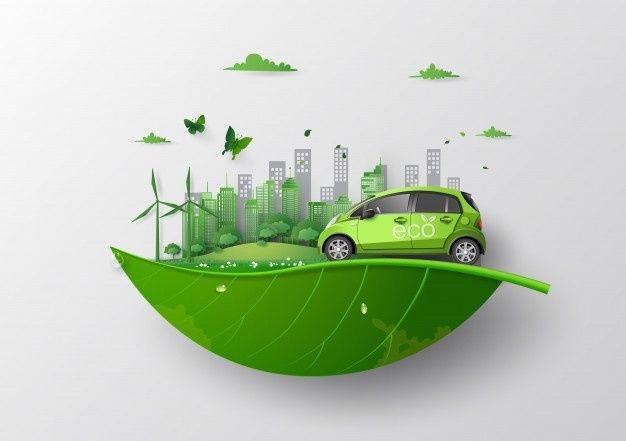
Living sustainably is now a worldwide imperative rather than merely a fad. As climate change, air pollution, and rising fuel costs continue to impact our daily lives, individuals and governments are actively seeking eco-friendly alternatives. One of the most powerful contributors to sustainable living is the adoption of Electric Vehicles (EVs). EVs are transforming transportation by reducing carbon emissions, conserving natural resources, and promoting a cleaner, greener future.
Understanding Sustainable Living
Sustainable living refers to a lifestyle that aims to reduce the use of Earth’s natural resources by individuals and societies. It focuses on minimizing environmental impact through conscious choices such as energy efficiency, waste reduction, renewable energy use, and sustainable transportation. By choosing environmentally responsible practices, people can help preserve ecosystems and ensure a better quality of life for future generations.
Transportation plays a significant role in environmental degradation. Traditional petrol and diesel vehicles emit greenhouse gases that contribute to global warming and poor air quality. This is where electric vehicles come into the picture as a sustainable alternative.
What Are Electric Vehicles (EVs)?
Electric Vehicles (EVs) are automobiles powered either fully or partially by electricity instead of fossil fuels. They use rechargeable batteries and electric motors, producing zero tailpipe emissions. Common types of EVs include Battery Electric Vehicles (BEVs), Plug-in Hybrid Electric Vehicles (PHEVs), and Hybrid Electric Vehicles (HEVs).
With advancements in battery technology and charging infrastructure, EVs are becoming more affordable, efficient, and accessible worldwide.
How EVs Support Sustainable Living

1. Reduced Carbon Emissions
One of the biggest advantages of electric vehicles is their ability to significantly reduce carbon emissions. Unlike conventional vehicles, EVs produce no exhaust emissions, helping lower levels of carbon dioxide (CO₂) and other harmful pollutants. This directly supports global efforts to combat climate change and reduce urban air pollution.
2. Energy Efficiency
Electric vehicles are far more energy-efficient than internal combustion engine vehicles. EVs convert a higher percentage of energy from the grid into power at the wheels, reducing energy waste. When charged using renewable energy sources like solar or wind power, EVs become an even more sustainable transportation solution.
3. Reduced Dependence on Fossil Fuels
By switching to electric vehicles, societies can reduce dependence on oil and gas, which are finite and environmentally damaging resources. This shift supports energy independence and encourages the development of renewable energy infrastructure.
Economic and Social Benefits of EV Adoption
Electric vehicles also offer economic advantages. Although the initial purchase cost may be higher, EVs have lower running and maintenance costs. Electricity is generally cheaper than fuel, and EVs have fewer moving parts, resulting in reduced servicing expenses.
From a social perspective, widespread EV adoption improves public health by reducing air and noise pollution. Cleaner air leads to fewer respiratory illnesses and improved overall well-being, especially in densely populated urban areas.
Government Initiatives and the Rise of EVs
Governments across the globe are promoting electric vehicles through subsidies, tax incentives, and investments in charging infrastructure. Many countries have announced plans to phase out fossil fuel vehicles in favor of electric mobility. These initiatives encourage consumers to embrace sustainable living while accelerating the transition to green transportation.
In India, for example, policies like FAME (Faster Adoption and Manufacturing of Electric Vehicles) are driving EV adoption and supporting sustainable development goals.
Challenges and the Road Ahead
Despite their benefits, electric vehicles face challenges such as limited charging infrastructure, battery disposal concerns, and range anxiety. However, ongoing innovation in battery recycling, fast-charging technology, and renewable energy integration is steadily addressing these issues.
As technology continues to evolve, electric vehicles will become even more efficient, affordable, and environmentally friendly.
Sustainable living and electric vehicles go hand in hand in shaping a cleaner, healthier, and more sustainable future. By choosing EVs, individuals can actively reduce their carbon footprint while enjoying long-term economic and environmental benefits. As awareness grows and infrastructure improves, electric vehicles will play a crucial role in driving the world toward a greener tomorrow.
Effects of AI in Upcoming Technology
Manhole – Essential Access Points in Urban Infrastructure
RCPC Manhole Covers and Frames
Read Also : Social Network Website Design