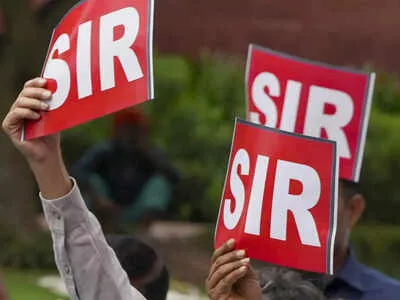
The SIR Process (Special Intensive Revision) in India is a crucial administrative exercise conducted by the Election Commission of India (ECI) to ensure that electoral rolls are accurate, inclusive, and up to date. In 2025, the SIR process continues to play a vital role in strengthening India’s democratic system by removing errors and ensuring eligible citizens are properly registered as voters.
This article explains the SIR process in India for 2025, its objectives, steps, eligibility, and importance.
What Is the SIR Process?
SIR (Special Intensive Revision) is a comprehensive verification and revision of electoral rolls carried out periodically by the Election Commission of India. Unlike routine updates, SIR involves door-to-door verification, data correction, and fresh inclusion or deletion of voter records on a large scale.
The goal is to maintain clean, error-free, and credible voter lists.
Objectives of the SIR Process in India
The main objectives of the SIR process are:
- To include eligible citizens who are missing from electoral rolls
- To remove duplicate, shifted, or deceased voters
- To correct errors in name, age, address, or other details
- To improve transparency and accuracy in elections
- To ensure fair representation in democratic processes
Who Conducts the SIR Process?

The SIR process is conducted under the supervision of:
- Election Commission of India (ECI)
- Chief Electoral Officers (CEOs) of states
- Electoral Registration Officers (EROs)
- Booth Level Officers (BLOs)
BLOs play a key role by visiting households and verifying voter information at the ground level.
SIR Process in India 2025: Step-by-Step
1. Announcement of SIR
The Election Commission officially announces the SIR schedule, including timelines for verification, claims, and objections.
2. House-to-House Verification
Booth Level Officers conduct door-to-door surveys to verify voter details such as:
- Name
- Age
- Address
- Citizenship status
This step helps identify missing or incorrect entries.
3. Publication of Draft Electoral Roll
After verification, a draft electoral roll is published. Citizens can check their details online or at designated locations.
4. Claims and Objections Period
During this phase, citizens can:
- Apply for new voter registration
- Request corrections in existing details
- Object to wrong or duplicate entries
Forms are submitted both online and offline.
5. Verification of Claims
Election officials verify submitted claims and objections through documents and field checks.
6. Final Electoral Roll Publication
After all corrections and approvals, the final electoral roll is published and used for upcoming elections.
Who Can Participate in the SIR Process?
You can participate if you are:
- An Indian citizen
- 18 years or older
- A resident of the constituency
- Eligible under election laws
Documents Required During SIR
Common documents include:
- Aadhaar card
- Passport
- Birth certificate
- Address proof (electricity bill, rent agreement, etc.)
- Previous voter ID (if available)
Importance of SIR Process in 2025
The SIR process in 2025 is especially important because it:
- Strengthens free and fair elections
- Prevents voter fraud and duplication
- Ensures youth and first-time voters are included
- Reflects population changes and migration
- Builds public trust in the electoral system
How to Check or Update Your Name in SIR 2025
Citizens can:
- Visit the official voter services portal
- Contact their local BLO
- Visit the Electoral Registration Office
- Use government-approved mobile applications
Common Issues Resolved Through SIR
- Missing voter names
- Incorrect spelling or age
- Wrong polling booth allocation
- Duplicate voter IDs
- Deleted records due to migration or death
The SIR Process in India 2025 is a foundational step in preserving the integrity of Indian democracy. Active participation by citizens ensures that every eligible voter is counted and every vote matters. Staying informed and verifying voter details during SIR helps build a stronger, more transparent electoral system.
Read Also: Social Network Website Design