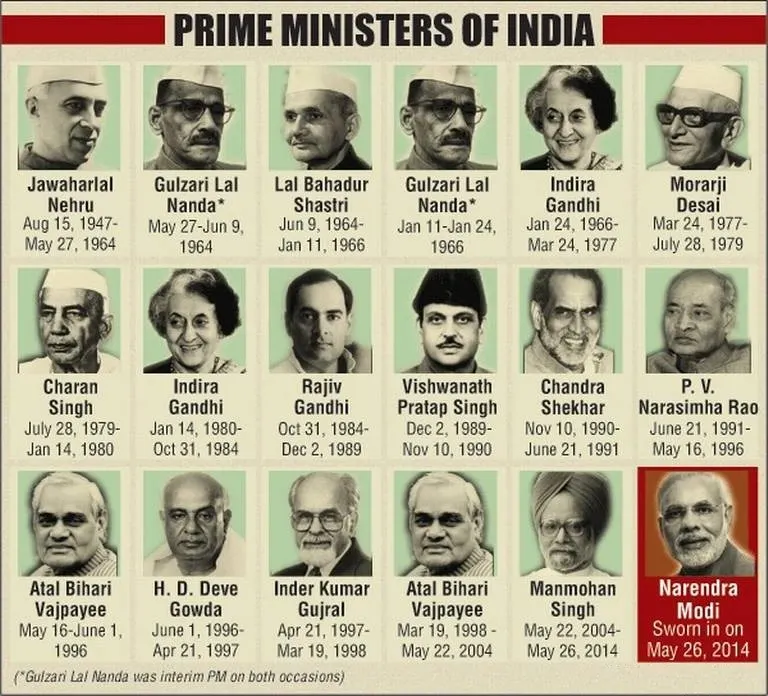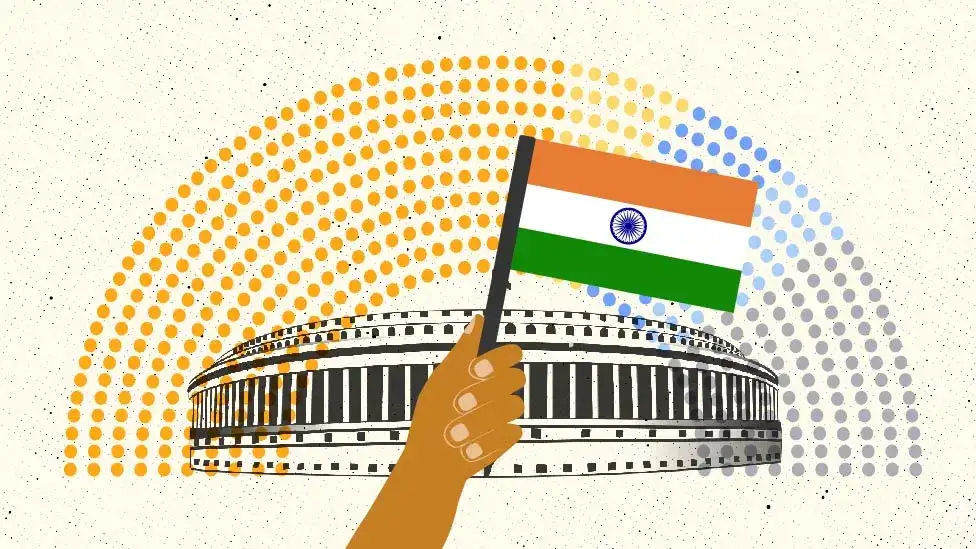
India, the world’s largest democracy, has a dynamic political landscape shaped by its diversity, regional interests, and historical evolution. The political future of India is influenced by factors such as economic growth, youth participation, social movements, technological advancements, and global geopolitics. Understanding these trends can provide insight into how India’s democracy may evolve in the coming decades.
Strengthening Democracy
India’s democratic system is characterized by free elections, multiple political parties, and an independent judiciary. The political future depends heavily on strengthening democratic institutions and promoting transparency, accountability, and citizen participation. Increasing voter awareness and the inclusion of marginalized groups in politics are essential for ensuring that governance reflects the aspirations of all citizens.
Rise of Youth and Technology
A significant portion of India’s population is young, tech-savvy, and increasingly aware of social and political issues. The youth are likely to play a decisive role in shaping the political landscape through activism, voting, and participation in policy-making. Social media and digital platforms are amplifying their voices, making political discourse faster and more inclusive. This shift could lead to greater responsiveness and reforms in governance.
Regional and Coalition Politics
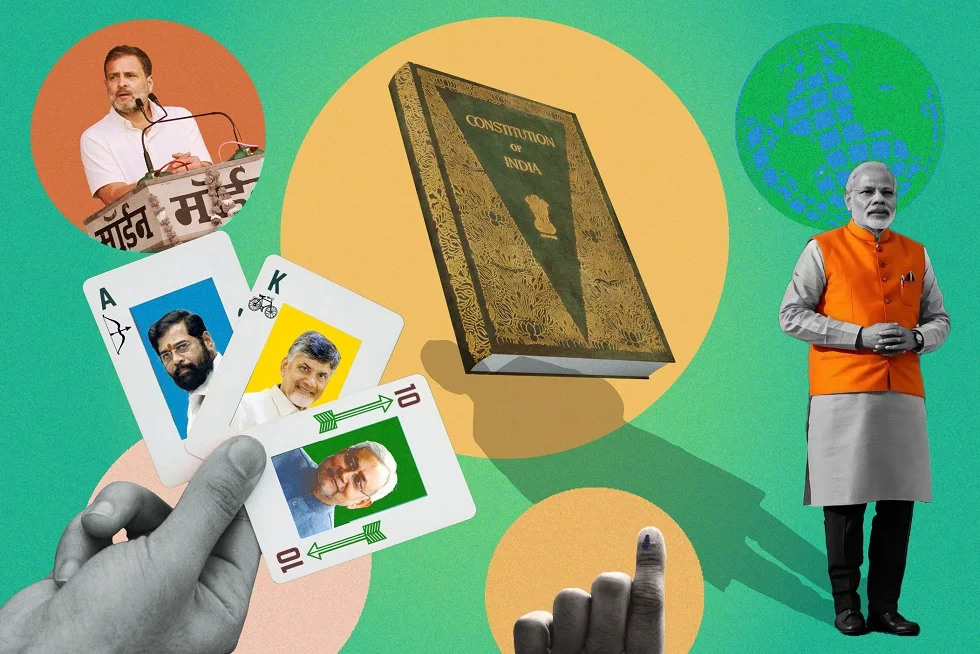
India’s political future is also shaped by regional parties and coalition governments. With increasing regional diversity, state-level politics are gaining more influence in national decision-making. Coalition politics may become more common, requiring collaboration and negotiation among parties, potentially fostering more inclusive and representative governance.
Economic and Social Policies
Economic development, social justice, and welfare policies will influence India’s political trajectory. Citizens are increasingly evaluating political leaders based on their ability to address unemployment, poverty, healthcare, and education. Effective policies in these areas can strengthen political stability, while failures may lead to public unrest and shifting political allegiances.
Global Influence and Diplomacy
India’s international relations and global positioning will also impact its political future. As India emerges as a significant player in global trade, climate action, and security alliances, political leaders must navigate both domestic and international challenges. Strong foreign policy and diplomacy will be crucial in maintaining national growth and security.
The political future of India is promising yet complex, influenced by democracy, youth engagement, regional dynamics, economic policies, and global factors. By embracing transparency, encouraging citizen participation, and implementing effective governance, India can ensure a stable, inclusive, and progressive political landscape. The country’s ability to adapt to changing social, technological, and geopolitical trends will define the direction of its democracy in the 21st century.