
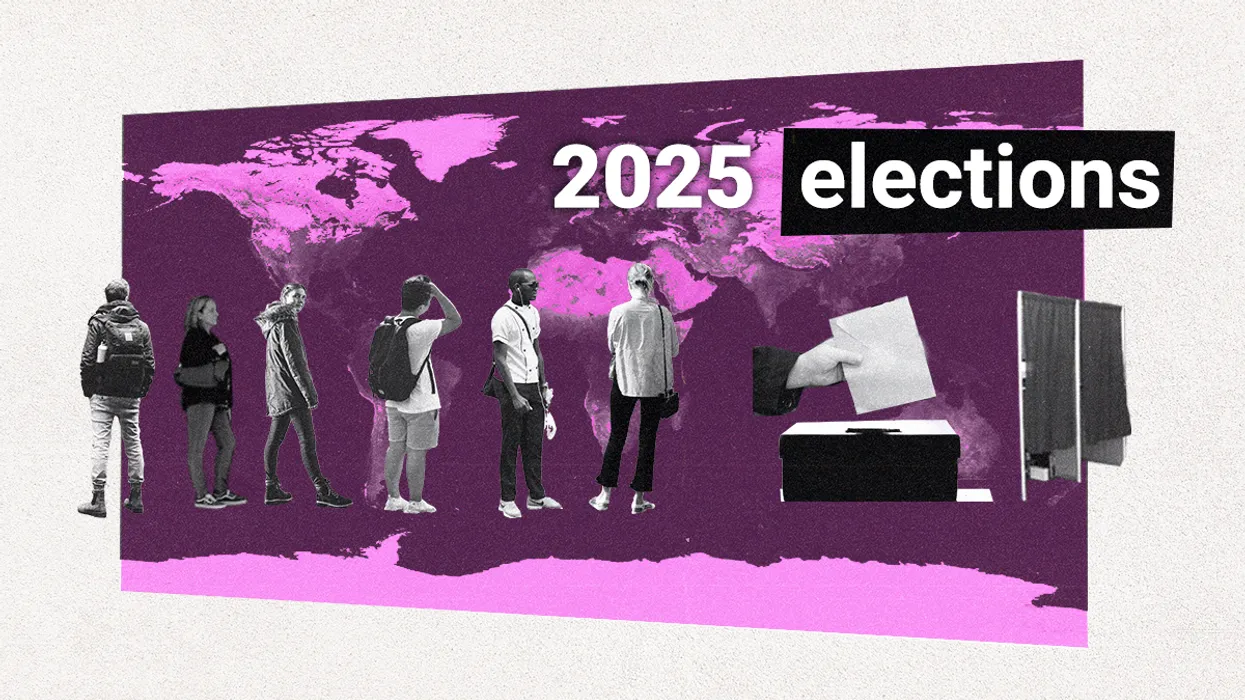
The year 2025 stands at a critical crossroads for global politics. With major elections, shifting alliances, and rising public activism, political drama is unfolding across continents. Governments are facing intense scrutiny, voters are demanding accountability, and democratic systems are being tested like never before. As nations prepare for key electoral battles, the political landscape of 2025 is set to redefine leadership, policies, and international relations.
The Global Political Climate in 2025
Political tension in 2025 is being driven by economic uncertainty, geopolitical conflicts, climate challenges, and rapid technological change. Many countries are experiencing polarized societies where ideological divides dominate public discourse. Inflation, employment, national security, and digital governance have emerged as top voter concerns. Social media and artificial intelligence are also playing a growing role in shaping political narratives, amplifying both awareness and misinformation.
This charged environment has turned elections into high-stakes events, with ruling parties fighting to retain power and opposition groups capitalizing on public dissatisfaction.
Major Elections Taking Place in 2025
Several countries across Asia, Europe, Africa, and Latin America are heading into crucial elections in 2025. These elections are expected to influence regional stability and global diplomacy. Parliamentary elections, presidential contests, and local governance votes will test democratic institutions and electoral transparency.
In many regions, first-time voters and young populations are becoming decisive forces. Their focus on education, job opportunities, climate action, and social justice is reshaping campaign agendas and political promises.
Political Drama and Power Struggles
Political drama in 2025 is not limited to election campaigns alone. Internal party conflicts, leadership challenges, coalition negotiations, and legal battles are dominating headlines. In some countries, ruling governments are facing protests and no-confidence motions, while others are dealing with fractured opposition alliances struggling to unite.
Scandals involving corruption, misuse of power, and election financing have further intensified public debate. These developments have made transparency and ethical governance central themes in electoral discussions.
Role of Media and Digital Influence
Media influence has become a defining factor in elections 2025. Traditional news outlets, social platforms, and independent digital creators are shaping voter opinions at unprecedented speed. Political messaging is now more personalized, data-driven, and emotionally charged.
While digital tools help candidates connect directly with voters, they also raise concerns about misinformation, deepfakes, and online manipulation. Governments and election commissions are under pressure to strengthen cyber security and regulate digital campaigning without restricting free speech.
Voter Sentiment and Public Participation

Voter sentiment in 2025 reflects both hope and frustration. Citizens are increasingly aware of their rights and the power of their vote, yet skepticism toward political institutions remains high. Turnout rates will be a key indicator of public trust in democratic systems.
Grassroots movements, civil society organizations, and independent watchdogs are actively encouraging voter participation and monitoring election processes to ensure fairness and accountability.
Why Elections 2025 Matter for the Future
The outcomes of elections in 2025 will have long-term implications for economic policy, social reforms, climate commitments, and international cooperation. Leadership changes can alter foreign policy directions, trade relations, and security alliances.
As the world becomes more interconnected, the political decisions made in 2025 will extend beyond national borders, influencing global stability and collective progress.
Political drama and elections in 2025 represent more than just a change in leadership—they reflect the evolving relationship between governments and citizens. With rising awareness, digital influence, and global challenges, elections this year will serve as a powerful indicator of democratic resilience. How nations navigate these political moments will shape not only their own futures but also the direction of global politics in the years to come.
Read Also: Social Network Website Design