Pickleball is easy to learn but hard to master—and one of the most overlooked fundamentals is the pickleball grip. Your grip directly affects shot accuracy, power, spin, and injury prevention. Whether you’re a beginner or an intermediate player looking to level up, understanding the correct pickleball grip can instantly improve your game.
In this guide, we’ll break down the types of pickleball grips, how to hold the paddle correctly, and common grip mistakes to avoid.
Why the Pickleball Grip Matters
Your grip is the only connection between you and the paddle. A poor grip can lead to weak shots, loss of control, wrist pain, and inconsistent performance. On the other hand, the right pickleball grip helps you:
- Maintain better paddle control
- Generate balanced power and spin
- React faster at the net
- Reduce strain on your wrist and elbow
Mastering the grip lays the foundation for every shot—from dinks and volleys to serves and smashes.
How to Hold a Pickleball Paddle Correctly
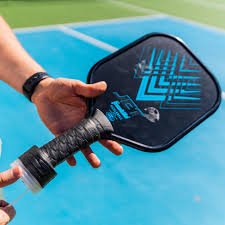
A proper pickleball grip should feel relaxed but secure. Think of holding the paddle like you’re shaking hands with it.
Grip pressure tip:
Use a scale of 1 to 10—your grip pressure should be around 4 to 5. Too tight reduces control, while too loose causes mishits.
Place your hand so there’s a small gap between your palm and fingers. This allows wrist movement and better shot adaptability.
Types of Pickleball Grips

1. Continental Grip (Most Popular)
The continental grip is the most commonly recommended pickleball grip, especially for beginners.
How to do it:
Hold the paddle as if you’re shaking hands with it. The “V” formed by your thumb and index finger should align with the paddle edge.
Benefits:
- Ideal for volleys, serves, and dinks
- Easy transition between forehand and backhand
- Perfect for net play
This grip is widely used in doubles and fast-paced games.
2. Eastern Forehand Grip
The eastern grip is slightly more forehand-oriented and is often used by players with tennis backgrounds.
How to do it:
Place your palm flat against the paddle face, then wrap your fingers around the handle.
Benefits:
- Strong forehand shots
- Good topspin control
- Comfortable for baseline rallies
However, it may require grip changes for backhand shots.
3. Western Grip (Less Common)
The western grip involves rotating the hand further under the paddle handle.
Pros:
- Heavy topspin
- Powerful forehands
Cons:
- Weak at the net
- Difficult backhand control
- Not recommended for beginners
Most pickleball players avoid this grip due to limited versatility.
Common Pickleball Grip Mistakes to Avoid
Even experienced players fall into these grip-related traps:
- Gripping too tightly: Reduces touch and increases fatigue
- Constantly switching grips: Slows reaction time
- Incorrect handle size: Can cause wrist or elbow pain
- Holding too low or too high: Affects leverage and control
Choosing the right grip size and maintaining a relaxed hold are just as important as grip type.
Choosing the Right Grip Size
Grip size matters more than you think. A grip that’s too small causes overuse injuries, while a large grip limits wrist movement.
Quick test:
There should be enough space to fit your index finger between your palm and fingers when holding the paddle.
Most players prefer adding overgrips to fine-tune comfort and sweat absorption.
The right pickleball grip can transform your performance almost instantly. Start with the continental grip, focus on relaxed pressure, and avoid overcomplicating things. As your skills develop, you can experiment with minor adjustments—but fundamentals always come first.
FIFA football World Cup Fixtures 2026
Olympics Medal Winners Of India
Read Also: Sports Website Design And Development