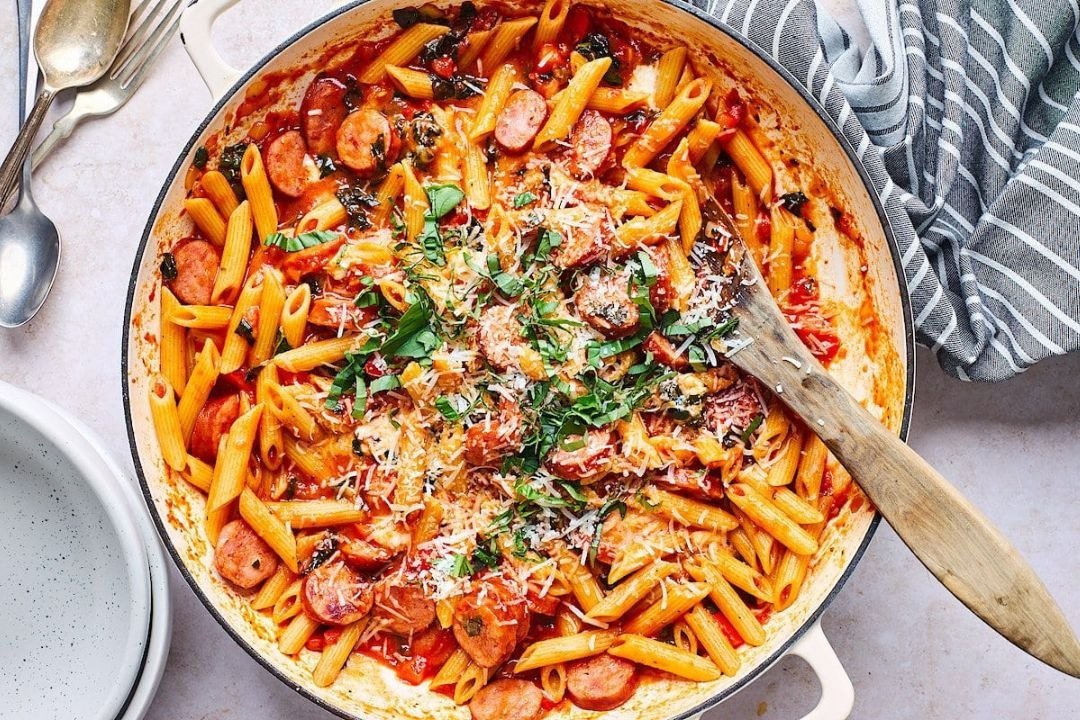
In today’s fast-paced lifestyle, cooking elaborate meals every day can feel overwhelming. This is where one-pot meals come to the rescue. As the name suggests, one-pot meals are dishes prepared using a single pot, pan, or cooker, making them both time-saving and convenient. From hearty stews to comforting rice dishes, one-pot meals combine simplicity with delicious flavors, making them a favorite choice for home cooks around the world.
What Are One-Pot Meals?
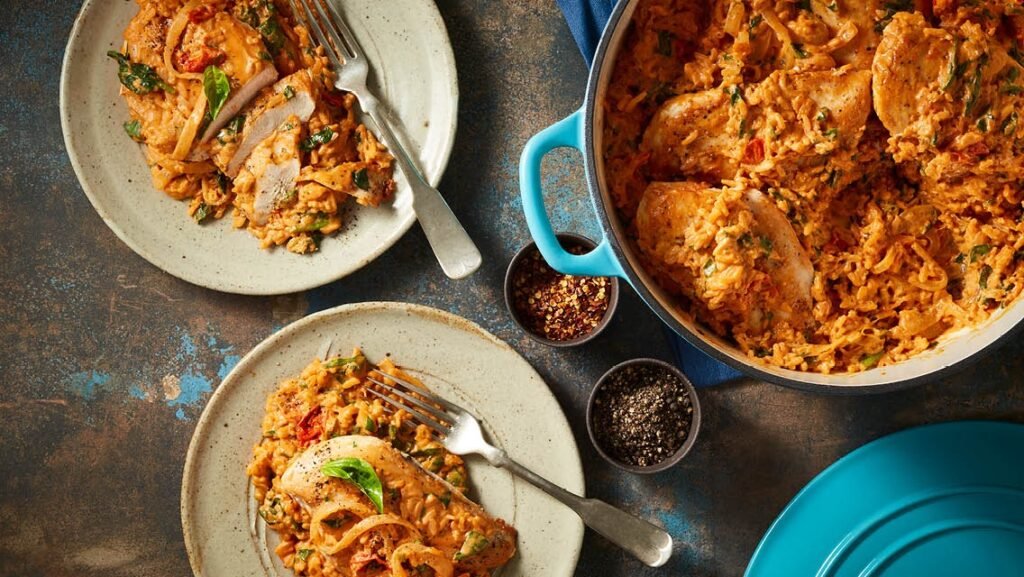
One-pot meals are recipes where all ingredients—vegetables, proteins, grains, and spices—are cooked together in one vessel. This method allows flavors to blend beautifully while reducing cleanup time. Whether cooked on a stovetop, in an oven, slow cooker, or pressure cooker, one-pot meals are versatile and adaptable to various cuisines and dietary preferences.
Benefits of One-Pot Cooking
One of the biggest advantages of one-pot meals is convenience. With fewer utensils and minimal preparation, these meals are ideal for busy professionals, students, and families. Cleanup becomes effortless, saving both time and water.
Another key benefit is enhanced flavor. Since all ingredients cook together, they absorb each other’s aromas and seasonings, resulting in richer taste. Additionally, one-pot meals are often more nutritious, as nutrients remain in the dish rather than being lost through multiple cooking processes.
Popular Types of One-Pot Meals
One-pot meals exist in almost every cuisine. Classic examples include vegetable pulao, khichdi, pasta dishes, casseroles, soups, and stir-fries. International favorites such as Spanish paella, Italian risotto, and Moroccan tagine are also well-known one-pot recipes.
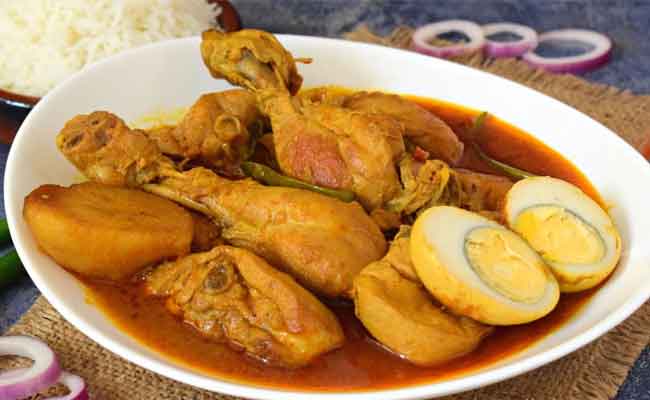
For meat lovers, one-pot chicken curry, beef stew, or seafood rice offer satisfying and protein-rich options. Vegetarians can enjoy lentil stews, mixed vegetable rice, or bean-based meals that are equally hearty and flavorful.
One-Pot Meals for Healthy Eating
One-pot meals can easily be tailored for healthy eating. By using whole grains, lean proteins, and fresh vegetables, you can create balanced meals with minimal oil. Cooking everything together also reduces the temptation to overuse fats or sauces.
For those following specific diets, one-pot meals are highly adaptable. Vegan, gluten-free, and low-carb versions can be prepared with simple ingredient swaps, making them suitable for a wide range of nutritional needs.
Time-Saving Tips for One-Pot Recipes
To make one-pot cooking even easier, prep ingredients in advance by chopping vegetables and marinating proteins beforehand. Using kitchen tools like pressure cookers or slow cookers can further reduce cooking time while enhancing flavor.
Layering ingredients correctly is also important—start with aromatics like onions and garlic, followed by proteins, grains, and liquids. This ensures even cooking and prevents burning.
Why One-Pot Meals Are Perfect for Modern Kitchens
In modern kitchens where efficiency matters, one-pot meals fit perfectly. They reduce stress, minimize dishes, and allow cooks to focus on enjoying the process rather than managing multiple pans. Whether you are cooking for one person or a large family, one-pot meals provide a practical and satisfying solution.
One-pot meals are more than just a cooking trend—they are a smart, sustainable approach to everyday meals. With their ease of preparation, rich flavors, and health benefits, they continue to gain popularity among home cooks. If you’re looking to simplify your cooking routine without sacrificing taste, one-pot meals are the perfect choice.
State Wise Food Culture in India
Worldwide Famous Spices of India
Read Aslo: Recipe Cuisine