
The global digital landscape is undergoing a remarkable transformation. Mobile access has surged at an unprecedented rate, while space-based connectivity is redefining how the world stays connected. Together, these advancements are narrowing the digital divide and reshaping communication, commerce, and innovation across industries.
Mobile Access Soared – A Global Digital Surge
Over the past decade, mobile access has become the primary gateway to the internet for billions of people. The widespread availability of affordable smartphones and competitive data plans has fueled rapid adoption, especially in emerging markets. Today, mobile devices account for the majority of global internet traffic, highlighting their central role in digital engagement.
Improved mobile infrastructure, including the rollout of 4G LTE and 5G networks, has significantly enhanced speed and reliability. Users can now stream high-quality video, participate in virtual meetings, and access cloud-based applications directly from their smartphones. This surge in mobile access has empowered small businesses, remote workers, and students by enabling real-time communication and access to essential digital services.
The Role of 5G in Accelerating Mobile Connectivity
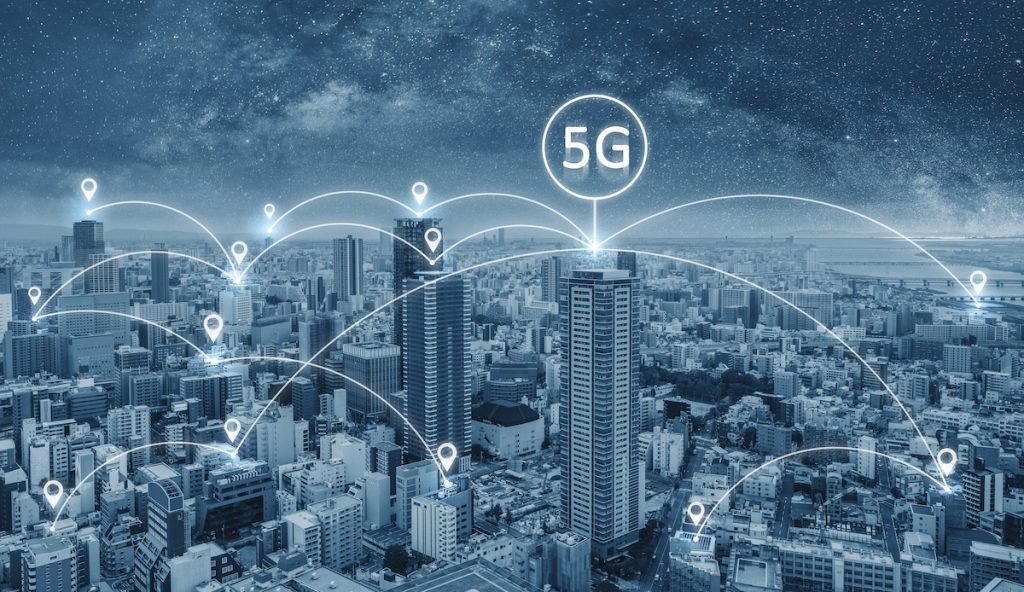
The expansion of 5G technology has been a game changer for mobile connectivity. With ultra-low latency and faster data transfer rates, 5G supports advanced applications such as augmented reality (AR), virtual reality (VR), and the Internet of Things (IoT). Smart cities, autonomous vehicles, and remote healthcare services are now becoming practical realities due to enhanced mobile networks.
As telecom providers continue to invest in 5G infrastructure, mobile access is expected to grow even further. This next-generation network is not only improving user experience but also driving innovation across sectors like manufacturing, entertainment, and education.
Space-Based Connectivity – Reaching the Unreachable
While mobile networks thrive in urban and suburban areas, remote and underserved regions have long faced connectivity challenges. Space-based connectivity is addressing this gap by leveraging satellite technology to deliver high-speed internet access worldwide. Low Earth Orbit (LEO) satellite constellations are at the forefront of this revolution.
Unlike traditional satellites, LEO satellites operate closer to Earth, reducing latency and improving connection quality. This advancement allows users in rural areas, mountainous regions, and even oceans to access reliable internet services where terrestrial infrastructure is limited or nonexistent.
Satellite Internet and Its Growing Impact
Space-based connectivity is already transforming industries such as aviation, maritime operations, and disaster management. Airlines now offer in-flight Wi-Fi powered by satellite networks, while ships can maintain continuous communication across vast oceans. During natural disasters, satellite connectivity ensures uninterrupted communication when ground-based networks fail.
Furthermore, satellite internet plays a critical role in education and healthcare. Remote learning programs and telemedicine services can now reach communities previously excluded from digital access, promoting inclusivity and economic development.
The Future of Connectivity – Mobile and Space Working Together
The convergence of mobile access and space-based connectivity marks a new era in global communication. Hybrid networks that combine terrestrial mobile infrastructure with satellite coverage are expected to deliver seamless connectivity everywhere. This integration will ensure consistent internet access regardless of location, mobility, or environmental conditions.
As technology continues to evolve, the synergy between mobile networks and space-based systems will unlock new possibilities for innovation, digital equity, and global collaboration.
Mobile access has soared, and space-based connectivity has taken a significant step forward, reshaping the way the world connects. Together, these technologies are breaking barriers, expanding opportunities, and building a more connected future. As investments and innovations continue, universal connectivity is no longer a distant goal—it is becoming a global reality.
Effects of AI in Upcoming Technology
Manhole – Essential Access Points in Urban Infrastructure
RCPC Manhole Covers and Frames
Read Also: Social Network Website Design