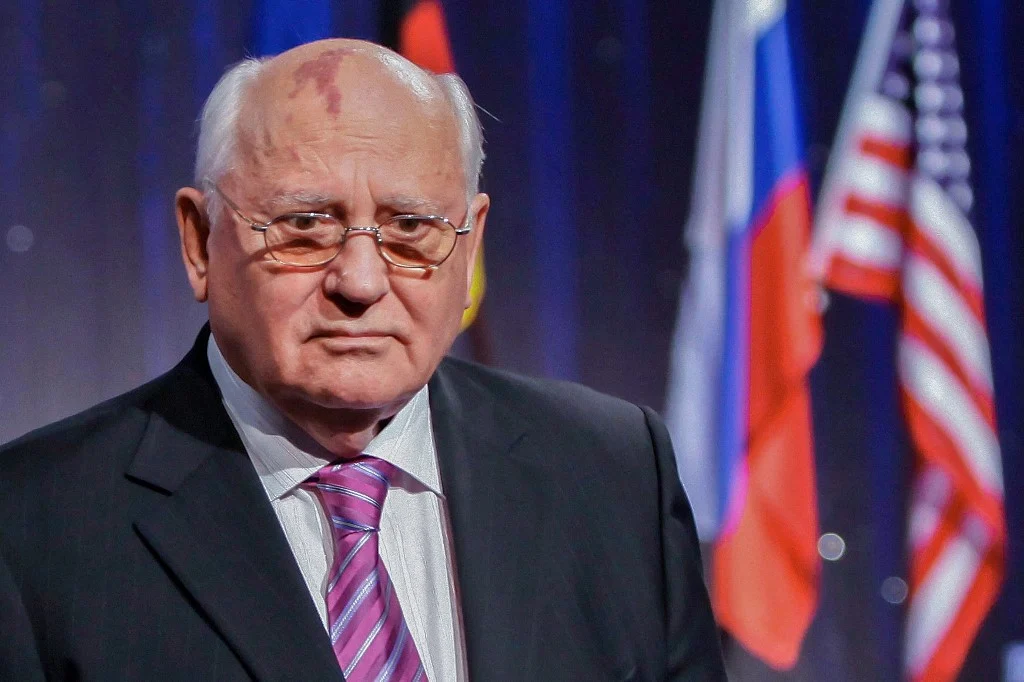
Mikhail Sergeyevich Gorbachev was one of the most influential political figures of the 20th century. As the last leader of the Soviet Union, he played a crucial role in ending the Cold War and transforming global politics. His reforms not only reshaped the Soviet system but also led to the eventual dissolution of the USSR. This article explores his life, leadership, reforms, and legacy in a clear and SEO-friendly way.
Early Life and Background
Mikhail Gorbachev was born on March 2, 1931, in a small village in Russia. Growing up in a farming family, he experienced the hardships of rural life. Despite challenges, he excelled academically and later studied law at Moscow State University. His education helped him develop a deep understanding of politics and governance, which later influenced his leadership style.
Rise to Power
Gorbachev began his political career in the Communist Party and gradually rose through the ranks. In 1985, he became the General Secretary of the Communist Party, making him the leader of the Soviet Union. At that time, the country was facing economic stagnation, political rigidity, and increasing pressure from the West, especially during the Cold War.
Key Reforms: Glasnost and Perestroika
One of Gorbachev’s most significant contributions was introducing reforms known as glasnost (openness) and perestroika (restructuring). Glasnost encouraged transparency, freedom of speech, and reduced censorship. It allowed citizens to express their opinions more openly than ever before.
Perestroika focused on restructuring the Soviet economy. It aimed to introduce elements of a market economy to improve productivity and efficiency. Although these reforms were intended to strengthen the Soviet Union, they unintentionally weakened central control and led to political instability.
Role in Ending the Cold War
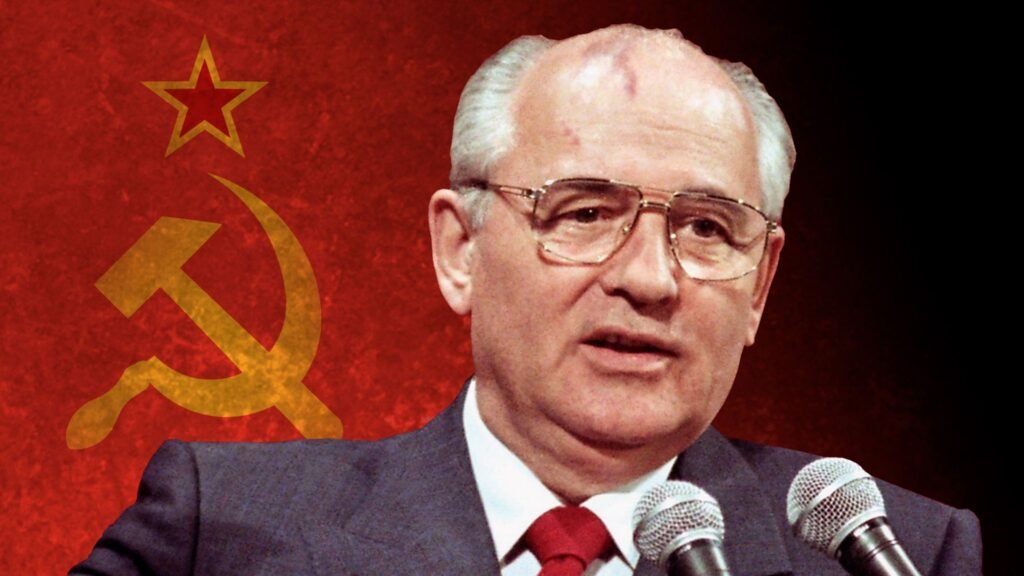
Gorbachev played a vital role in reducing tensions between the Soviet Union and the United States. He worked closely with Ronald Reagan and later George H. W. Bush to negotiate arms reduction agreements. These efforts helped bring an end to decades of hostility during the Cold War.
His decision not to use military force in Eastern Europe allowed countries to break away from Soviet influence peacefully. This marked a turning point in global history and contributed to the fall of communist regimes across Europe.
Dissolution of the Soviet Union
Despite his intentions to reform and preserve the Soviet Union, internal conflicts and economic difficulties increased. In 1991, several republics declared independence, leading to the collapse of the USSR. The Dissolution of the Soviet Union officially ended Gorbachev’s leadership and marked the end of the Soviet era.
Awards and Recognition
In recognition of his efforts to promote peace and reduce nuclear threats, Gorbachev was awarded the Nobel Peace Prize in 1990. His contributions to ending the Cold War earned him global respect and admiration.
Legacy and Impact
Mikhail Gorbachev’s legacy remains complex. In the West, he is widely praised as a reformer and peacemaker. However, in Russia, opinions are divided, with some viewing him as responsible for the collapse of a superpower.
Regardless of differing views, his impact on world history is undeniable. He introduced reforms that changed the political landscape and helped bring about a more peaceful global order.
Mikhail Sergeyevich Gorbachev will always be remembered as a transformative leader who reshaped the Soviet Union and influenced global politics. His vision for openness and reform brought both progress and challenges. As the last leader of the Soviet Union, his legacy continues to be studied and debated around the world.
What Happens After the Death of a Human
Survival of the Fittest Theory by Charles Darwin
Read Also: Education Website Design