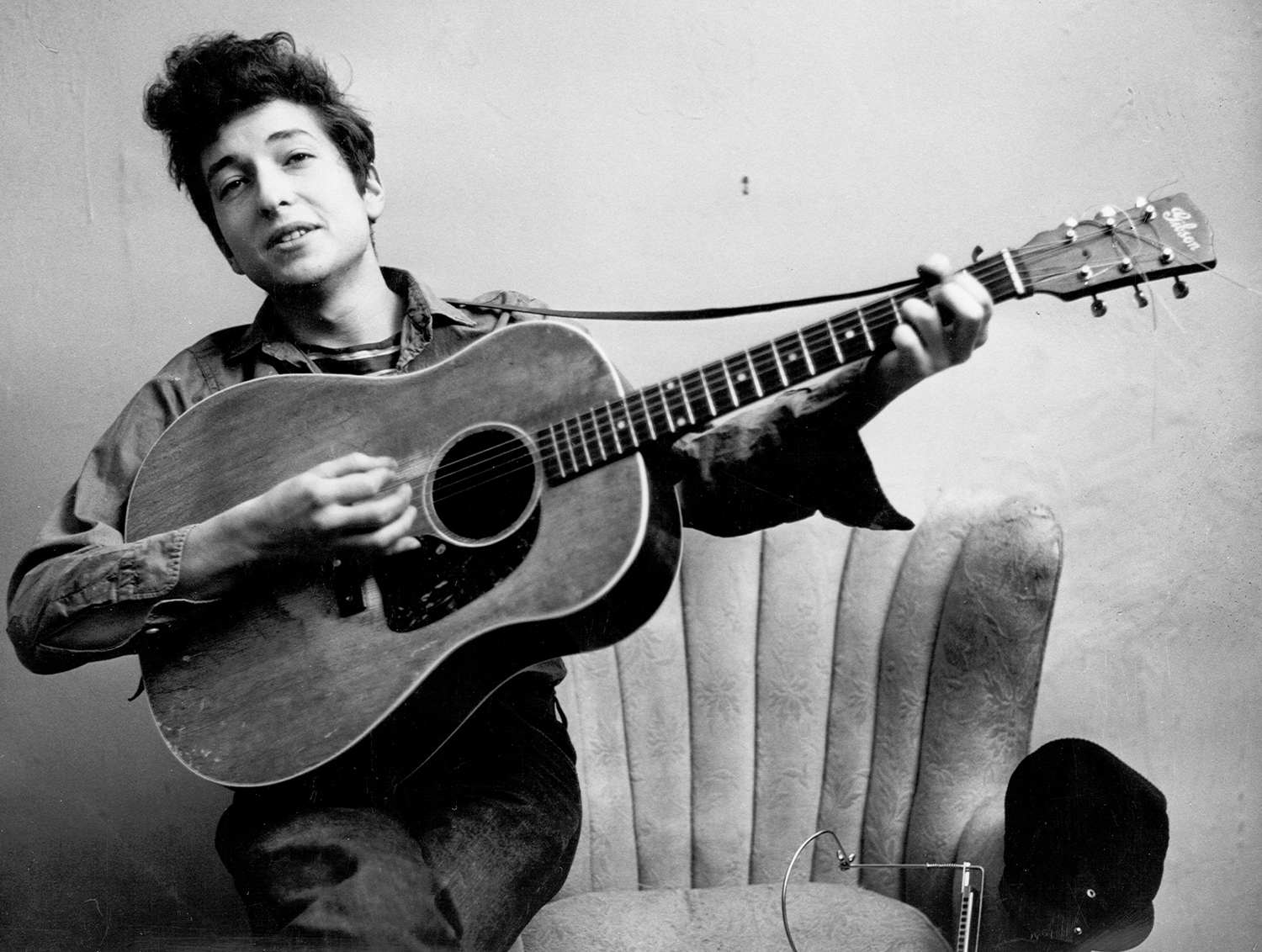
Bob Dylan, born Robert Allen Zimmerman on May 24, 1941, in Duluth, Minnesota, is one of the most influential figures in American music history. Known for his distinctive voice, poetic lyrics, and transformative impact on popular culture, Dylan’s career spans over six decades. His songs have not only entertained millions but also inspired social change, making him a true legend in the world of music.
Early Life and Musical Beginnings
Bob Dylan grew up in a Jewish-American family in Hibbing, Minnesota. From a young age, he was drawn to music and literature, influenced by folk, blues, and rock ‘n’ roll. In high school, Dylan began performing in local bands and quickly developed a reputation for his unique voice and thoughtful songwriting. He later adopted the stage name “Bob Dylan,” inspired by the Welsh poet Dylan Thomas.
In the early 1960s, Dylan moved to New York City, seeking to immerse himself in the folk music scene. His performances at clubs in Greenwich Village caught the attention of major record labels, leading to the release of his self-titled debut album in 1962.
Rise to Fame and Social Impact
Bob Dylan’s rise to fame coincided with a period of social and political upheaval in the United States. His early songs, including classics like “Blowin’ in the Wind” and “The Times They Are a-Changin’”, became anthems for the civil rights movement and anti-war protests. Dylan’s ability to blend music with meaningful social commentary set him apart from his contemporaries and earned him international recognition.
Throughout the 1960s, Dylan experimented with electric instruments, challenging traditional folk music norms. His 1965 album, “Highway 61 Revisited”, featuring the iconic track “Like a Rolling Stone”, marked a pivotal shift in his career, blending rock, folk, and blues influences.
Artistic Evolution and Musical Versatility
One of Bob Dylan’s most remarkable qualities is his artistic evolution. He has continuously reinvented himself, exploring various musical styles, from folk and rock to gospel and country. Albums like “Blood on the Tracks” (1975) and “Desire” (1976) showcase his narrative storytelling and emotional depth, solidifying his reputation as a master lyricist.
Dylan’s songwriting transcends traditional music boundaries, often reflecting personal experiences, social issues, and philosophical musings. His lyrics have inspired countless artists and have been studied for their literary merit. In 2016, Dylan was awarded the Nobel Prize in Literature, a testament to his enduring influence and contribution to global culture.
Personal Life and Legacy
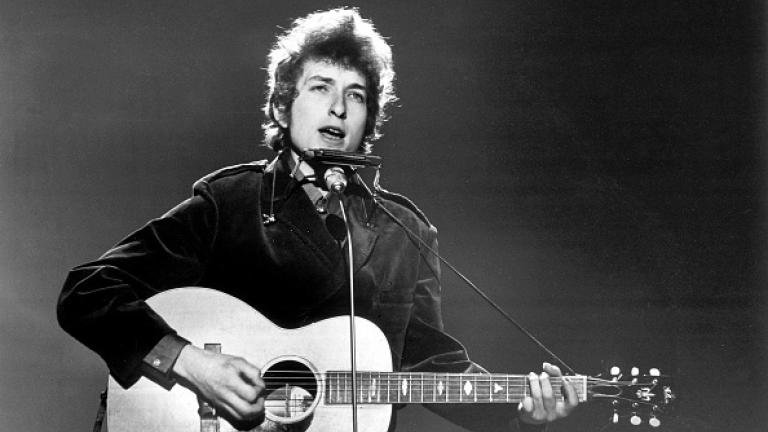
Despite his public persona, Bob Dylan has kept much of his personal life private. Known for his enigmatic personality, Dylan rarely gives interviews and prefers to let his music speak for itself.
Bob Dylan’s legacy is immense. He has released over 39 studio albums, received numerous Grammy Awards, an Academy Award, and a Golden Globe. Beyond accolades, his music has shaped generations of artists and listeners, influencing the evolution of modern music and popular culture.
Bob Dylan remains a symbol of artistic innovation, social consciousness, and musical excellence. From his humble beginnings in Minnesota to his status as an international icon, Dylan’s life is a testament to the power of music as a tool for expression and change. Whether through folk, rock, or poetic lyricism, his songs continue to resonate with audiences worldwide, ensuring that the name Bob Dylan will forever be synonymous with creativity and cultural impact.
What Happens After the Death of a Human
Survival of the Fittest Theory by Charles Darwin
Read Also: Education Website Design