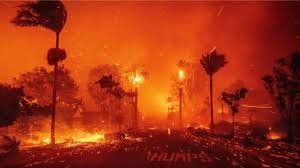
Los Angeles fires have become an alarming and recurring issue, affecting millions of residents, wildlife, and infrastructure across Southern California. Every year, wildfire season brings fear and uncertainty as flames spread rapidly through dry landscapes. The increasing intensity of LA fires highlights a deeper environmental and urban challenge that demands urgent attention.
Understanding the Causes of LA Fires
One of the primary causes of LA fires is prolonged drought combined with extreme heat. Los Angeles experiences long dry seasons, which leave vegetation highly flammable. When temperatures soar and humidity drops, even a small spark can trigger a massive wildfire.
Human activities also play a major role. Power line failures, unattended campfires, discarded cigarettes, and arson have all been linked to devastating fires in the region. Additionally, strong Santa Ana winds can carry embers across long distances, allowing fires to spread rapidly and become difficult to control.
Climate Change and Its Role in Wildfires
Climate change has significantly intensified the wildfire problem in Los Angeles. Rising global temperatures have led to longer fire seasons, reduced rainfall, and drier soil conditions. These changes create the perfect environment for wildfires to ignite and grow uncontrollably.
Studies show that climate change has doubled the frequency of large wildfires in California over the past few decades. As a result, LA fires are not only more common but also more destructive than in the past.
Impact of LA Fires on Communities
The impact of LA fires goes far beyond burned land. Thousands of families are often forced to evacuate their homes, sometimes with only minutes to spare. Entire neighborhoods have been destroyed, leaving residents displaced and financially strained.
Air quality is another major concern. Smoke from LA fires contains harmful pollutants that can cause respiratory issues, eye irritation, and heart problems, especially among children and the elderly. Even areas far from the fire zones can experience hazardous air conditions for days or weeks.
Environmental Damage and Wildlife Loss

Los Angeles fires cause severe environmental damage. Forests, grasslands, and ecosystems that take decades to develop can be destroyed in a matter of hours. Wildlife often suffers the most, as animals struggle to escape fast-moving flames.
In many cases, endangered species lose their habitats permanently. Post-fire soil erosion can also lead to landslides and flooding during subsequent rain seasons, further worsening the environmental impact.
Emergency Response and Firefighting Efforts
Firefighters in Los Angeles work tirelessly to contain wildfires under extremely dangerous conditions. Using aircraft, fire engines, and ground crews, emergency teams attempt to control fires while protecting lives and property.
However, the scale of recent LA fires has stretched resources thin. Fire departments increasingly rely on state and federal assistance, highlighting the need for better preparedness, funding, and long-term fire management strategies.
Prevention and Safety Measures
Preventing LA fires requires cooperation between authorities and residents. Simple actions such as clearing dry vegetation, maintaining defensible space around homes, and following fire safety regulations can significantly reduce risks.
Public awareness campaigns and early warning systems also play a critical role. Investing in fire-resistant infrastructure and sustainable land management can help Los Angeles adapt to a future where wildfires are likely to remain a persistent threat.
LA fires are no longer isolated disasters—they are a recurring crisis fueled by climate change, human activity, and environmental conditions. Addressing this challenge requires proactive prevention, community awareness, and long-term environmental planning. By taking collective action today, Los Angeles can work toward reducing the devastating impact of future wildfires and protecting lives, property, and natural ecosystems.
Read Also: Social Network Website Design