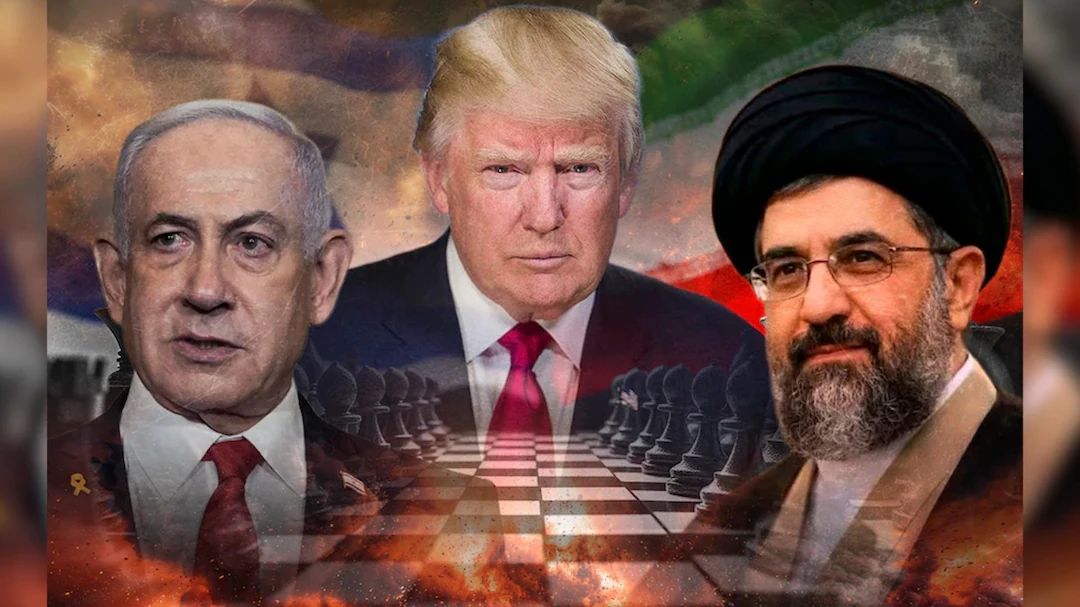
The Iran and USA War 2026 became one of the most talked-about global conflicts in recent history. It involved massive military strikes, economic disruption, and geopolitical tension across the Middle East. But the biggest question remains: Who actually won and who lost? Let’s break it down in a clear, SEO-friendly way.
Background of the 2026 Iran–USA War
The conflict officially began on February 28, 2026, when the United States, along with Israel, launched a major military operation called Operation Epic Fury against Iran. The attacks targeted Iran’s nuclear facilities, missile systems, and leadership.
This was not a sudden war. Tensions between the two countries had existed for decades due to issues like Iran’s nuclear program, regional influence, and failed diplomatic agreements.
Iran responded quickly with missile and drone attacks on U.S. bases and allies across the Middle East, escalating the situation into a full-scale regional conflict.
Major Events During the War
- The U.S. carried out over 13,000 strikes, destroying a large portion of Iran’s military infrastructure.
- Iran launched hundreds of missiles and drones targeting U.S. bases and oil infrastructure.
- The Strait of Hormuz, a key global oil route, was heavily disrupted, affecting world trade.
- Thousands of people died, including civilians and soldiers on both sides.
- A ceasefire was reached in April 2026, ending large-scale fighting.
Who Won the Iran–USA War?
Military Perspective-USA Advantage
From a military standpoint, the United States appears to have gained the upper hand:
- Iran’s air defenses, weapons factories, and military systems were heavily damaged.
- U.S. officials claimed Iran’s military became “combat ineffective.”
- The U.S. achieved its strategic objective of weakening Iran’s military capabilities.
The USA can be considered the military winner of the war.
Strategic Perspective-No Clear Winner
Despite military success, the situation is more complex:
- Iran still maintained its government and continued regional influence.
- The conflict spread instability across the Middle East.
- The war ended with a ceasefire, not a surrender, meaning no decisive victory.
Strategically, no side achieved a complete win.
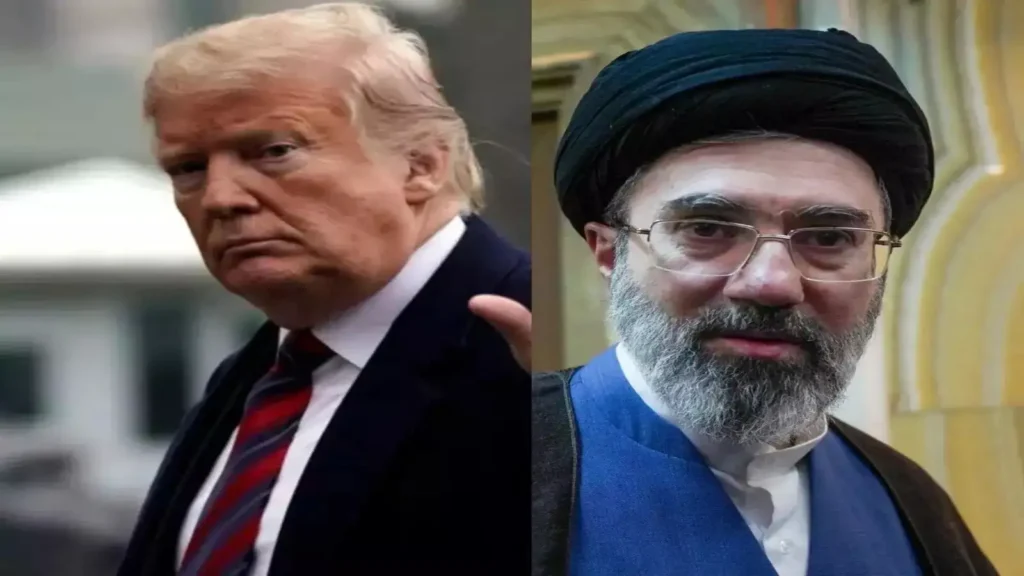
Who Lost the Iran–USA War?
Heavy Losses
Iran suffered major setbacks:
- Large-scale destruction of infrastructure and economy
- Thousands of casualties, including civilians
- Economic collapse with rising inflation and unemployment
Iran was the biggest loser in terms of damage and economic impact.
Partial Losses
Although militarily successful, the U.S. also faced challenges:
- High war costs (estimated billions of dollars)
- Loss of soldiers and military equipment
- Limited international support, especially from NATO allies
- The USA did not lose the war but paid a significant price.
Global Impact-Everyone Lost
The war affected the entire world:
- Oil prices increased due to disruption in the Persian Gulf
- Global trade and travel were heavily impacted
- Rising geopolitical tensions created uncertainty
In many ways, the whole world suffered losses.
Final Verdict-Who Really Won?
- USA → Military winner
- Iran → Major loser (economically and militarily)
- World → Indirect loser due to economic and geopolitical instability
There was no complete winner. The United States gained military advantage, but the war ended without total victory, making it a strategic draw with heavy losses on both sides.
The Iran–USA war of 2026 shows that modern wars are not just about winning battles but also about long-term consequences. Even though the U.S. dominated militarily, the lack of a decisive outcome and widespread damage means both sides paid a high price.
Read Also : Social Network Website Design