
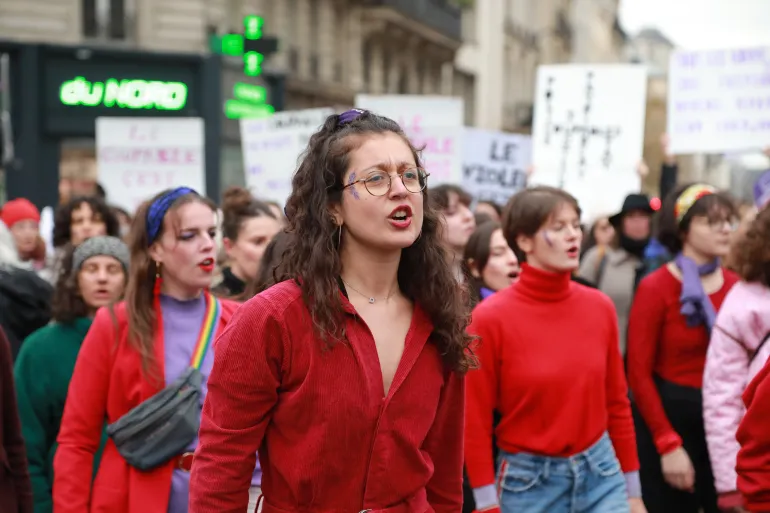
Every year on March 8, Paris becomes a vibrant hub of activism, solidarity, and powerful expression as people take to the streets to mark International Women’s Day. This annual event is not only a celebration of women’s achievements but also a fierce call to action against gender‑based discrimination, violence, and inequality. In 2026, demonstrations in the French capital once again highlighted the ongoing struggles women face and reminded the world that the fight for equality continues with renewed urgency.
Historic Significance of International Women’s Day
International Women’s Day has deep roots in the global labour and suffrage movements of the early 20th century, when women first organized to demand fair wages, voting rights, and better working conditions. Over time, March 8 became a symbolic date recognized by the United Nations and communities around the world as a day to honour women’s contributions and advocate for change. In Paris, this legacy is reflected through both celebratory events and politically charged demonstrations that draw attention to issues affecting women in French society and beyond.
Paris at the Heart of Women’s Rights Demonstrations
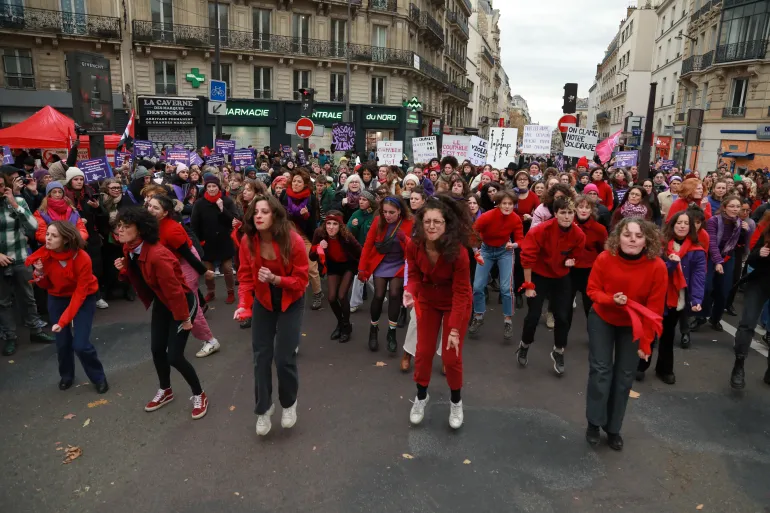
In 2026, thousands of demonstrators gathered in central Paris to protest against systemic violence towards women, demand gender equality, and call for an end to discriminatory practices across social, political, and economic spheres. Many activists marched from Place de la Bataille de Stalingrad and other key locations, uniting under banners that echoed calls for justice and equity.
One of the most poignant moments of the march involved a powerful display at Place de la République, where participants conducted a symbolic “die‑in” to represent femicide victims and highlight the harsh reality of violence against women in France. This creative form of protest underscores the urgent need for protective policies and societal change.
Leading Voices and Messages from the March
Among the marchers were survivors and advocates whose personal stories lent emotional weight to the demonstration. Notably, rape survivor Gisèle Pélicot marched alongside her daughter, bringing a human face to the statistics and emphasizing the importance of listening to survivors’ voices in dialogues about justice reform and societal change.
Signs and slogans throughout the demonstration centered on themes such as “end violence against women,” “equal rights now,” and universal gender equality. While these messages resonated locally, they also echoed global demands for women’s safety, economic empowerment, access to healthcare, and political representation.
Broader Context and Global Solidarity
International Women’s Day marches in Paris do not occur in isolation. Around the world on March 8, activists gathered in major cities to raise their voices for women’s rights. From Madrid to Montevideo, demonstrators called for an end to discrimination and social injustice. These global actions remind us that while progress has been made, many challenges remain universal in nature.
In many countries, the demonstrations also intersected with other political concerns. Some protesters connected the struggle against gender‑based violence with broader issues such as global conflicts, peace movements, and human rights. This reflects how International Women’s Day has grown into a platform for intersecting social justice causes.
What Demonstrations Mean for the Future
The demonstrations held in Paris carry significant implications for the future of women’s rights advocacy. They serve as a reminder that gender equality is not just a goal, but a daily struggle requiring sustained action from citizens, governments, and international institutions alike. The energy and passion witnessed in Paris signal that women and their allies are prepared to continue advocating for systemic change until equality is realized.
For many participants, International Women’s Day is more than a yearly event—it’s a catalyst for ongoing activism and policy change. Through marches, strikes, and public actions, demonstrators in Paris and elsewhere reaffirm that gender equality must remain a priority on both national and global agendas.
International Women’s Day demonstrations in Paris offer a powerful snapshot of the current state of gender equality activism. They combine historical reflection, collective urgency, and unified public pressure to demand a safer, fairer future for all women. As each year passes, these demonstrations remind us that progress is possible—but it requires participation, persistence, and dedication from communities across the world.
Superstitious Culture in India
Lifestyle of the Indian Jarawa Tribe
Read Also : Social Network Website Design