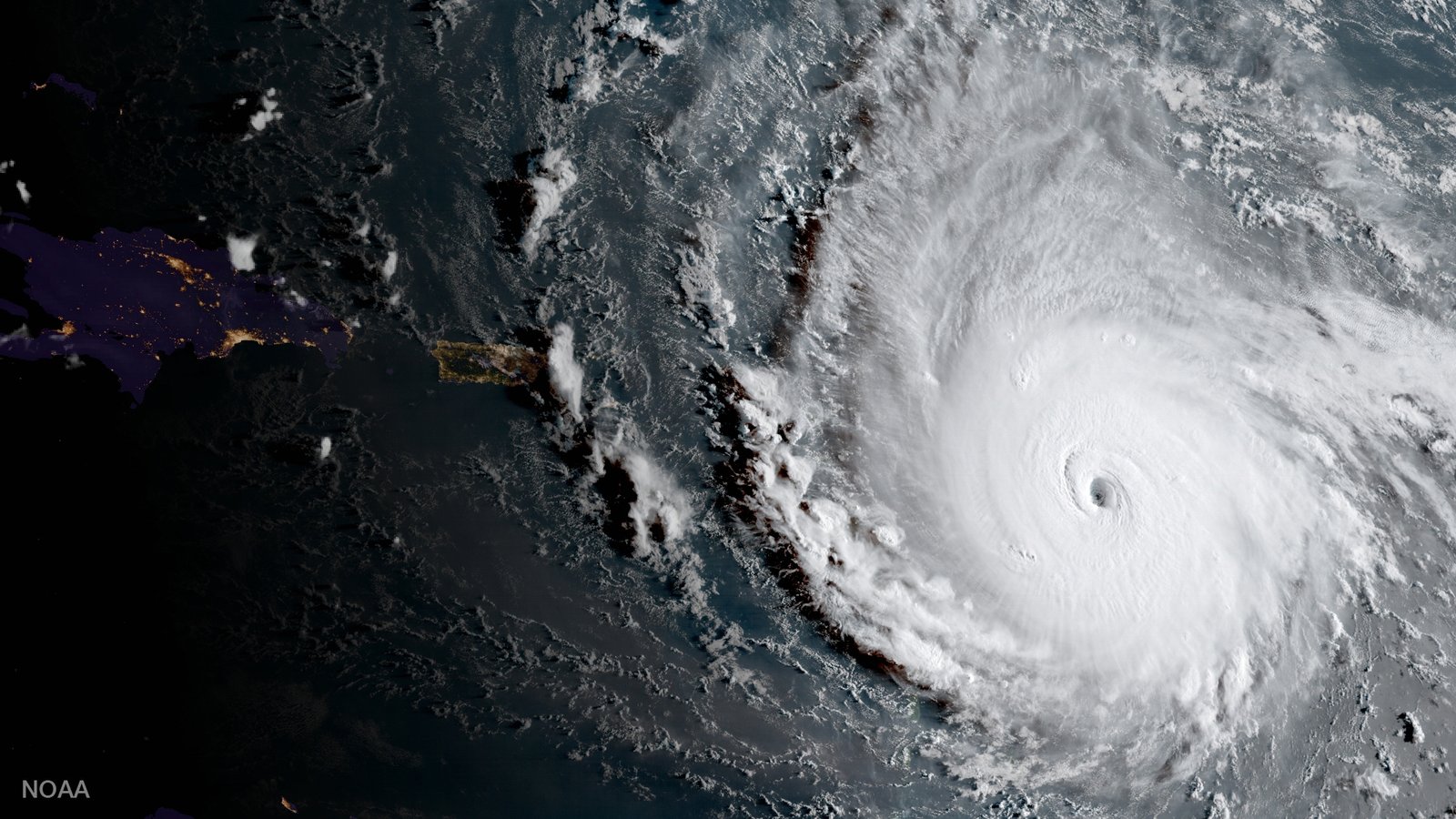
Hurricane Irma remains one of the most destructive and powerful hurricanes ever recorded in the Atlantic Ocean. Forming in September 2017, this catastrophic storm caused widespread devastation across the Caribbean and the southeastern United States. Its extreme wind speeds, massive storm surge, and long-lasting impacts make Hurricane Irma a significant event in modern weather history.
Formation and Development of Hurricane Irma
Hurricane Irma originated from a tropical wave that moved off the west coast of Africa in late August 2017. Favorable atmospheric conditions, including warm ocean waters and low wind shear, allowed the storm to rapidly intensify. Within days, Irma strengthened from a tropical storm into a major hurricane.
By September 5, 2017, Hurricane Irma had reached Category 5 status, with sustained winds of up to 185 mph (295 km/h). This made it one of the strongest hurricanes ever observed in the Atlantic basin. Irma maintained its Category 5 intensity for an unusually long period, highlighting its exceptional strength.
Path and Affected Regions
Hurricane Irma followed a destructive path across the Caribbean before impacting the United States. The storm made direct landfall on several islands, including Barbuda, Saint Martin, and the Virgin Islands, causing catastrophic damage.
Irma later moved toward Cuba, where it weakened slightly but still caused significant flooding and infrastructure damage. The hurricane then tracked northward and made landfall in the Florida Keys as a Category 4 storm on September 10, 2017. Florida experienced widespread power outages, flooding, and wind damage as Irma continued inland.
Damage and Economic Impact
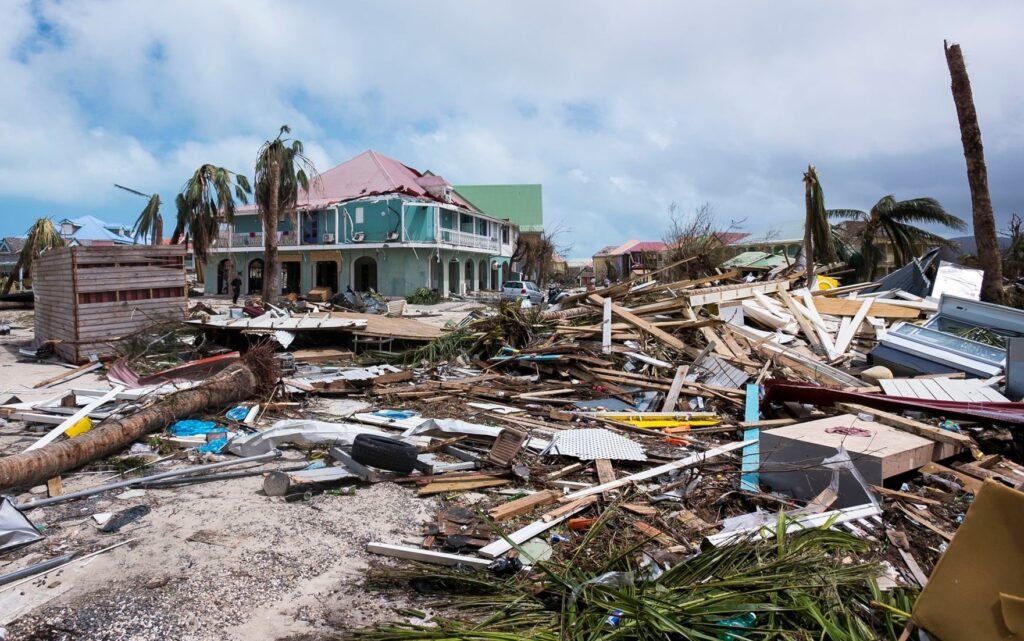
The destruction caused by Hurricane Irma was extensive. Entire communities in the Caribbean were flattened, with homes, schools, and hospitals severely damaged or destroyed. In Florida, millions of residents were left without electricity, and agricultural losses were substantial, particularly in the citrus industry.
Economic estimates place Hurricane Irma’s damage at over $50 billion, making it one of the costliest hurricanes in U.S. history. Tourism, transportation, and local businesses were heavily impacted, and recovery efforts took months or even years in some areas.
Human Impact and Casualties
Hurricane Irma claimed dozens of lives across the Caribbean and the United States. Beyond the direct fatalities, the storm disrupted healthcare services, displaced thousands of people, and caused long-term psychological stress for survivors.
Mass evacuations were ordered in Florida, with more than six million people urged to leave coastal areas. While evacuations helped save lives, they also created challenges such as traffic congestion, fuel shortages, and overcrowded shelters.
Environmental Effects
The environmental consequences of Hurricane Irma were severe. Coastal erosion, destruction of coral reefs, and loss of wildlife habitats were reported across affected regions. Floodwaters contaminated freshwater supplies, and fallen trees and debris altered natural landscapes.
In the Florida Everglades and Caribbean ecosystems, recovery has been slow, emphasizing the long-term environmental cost of powerful hurricanes like Irma.
Lessons Learned and Hurricane Preparedness
Hurricane Irma underscored the importance of disaster preparedness and early warning systems. Accurate forecasting by meteorological agencies allowed governments to issue timely evacuation orders, reducing potential loss of life.
The storm also reignited discussions on climate change, as warmer ocean temperatures are believed to contribute to stronger and more frequent hurricanes. Improved building codes, emergency planning, and public awareness are crucial to minimizing damage from future storms.
Hurricane Irma stands as a stark reminder of nature’s immense power. Its record-breaking strength, widespread destruction, and lasting impacts continue to influence hurricane preparedness and climate discussions worldwide. Understanding Hurricane Irma helps communities better prepare for future storms and highlights the importance of resilience in the face of extreme weather events.
Best Adventures to do in India
Read Also: Laravel Framework Web Development