World War 2 remains one of the most significant conflicts in human history, and the Eastern Front played a decisive role in determining its outcome. The Soviet Union’s victory over Nazi Germany was not a sudden event but the result of strategic planning, resilience, and immense sacrifice. This article explains how Russia (the Soviet Union) managed to defeat Germany and turn the tide of the war.
The Importance of the Eastern Front
The Eastern Front was the largest and deadliest theater of World War 2. When Germany launched its invasion of the Soviet Union in June 1941 under Operation Barbarossa, it aimed for a quick victory. However, this front soon became a prolonged and exhausting battle. Germany had to commit a large portion of its military resources here, which weakened its efforts in other regions.
The Soviet Union’s ability to hold and eventually push back German forces made the Eastern Front the turning point of the war.
Germany’s Early Success and Strategic Mistakes
Initially, Germany achieved rapid success due to its advanced tactics and surprise attack. Soviet forces were unprepared, and large territories were quickly occupied. However, Germany made critical mistakes that contributed to its downfall.
One major error was underestimating the size, strength, and resilience of the Soviet Union. German forces stretched their supply lines too thin and failed to prepare for the harsh winter. The decision to split forces between multiple targets, including Moscow, Leningrad, and Ukraine, also weakened their offensive.
The Harsh Russian Winter
One of the most famous factors in Russia’s victory was the severe winter. German troops were not equipped for extreme cold, leading to freezing temperatures, mechanical failures, and reduced combat effectiveness.
Meanwhile, Soviet soldiers were better prepared for winter conditions. They used this advantage to launch counteroffensives, particularly during the Battle of Moscow, where German advances were halted and pushed back.
The Battle of Stalingrad: A Turning Point
The Battle of Stalingrad (1942–1943) marked a decisive shift in the war. This brutal battle involved intense urban warfare and heavy casualties on both sides. However, Soviet forces successfully encircled the German army, cutting off supplies and reinforcements.
The eventual surrender of German troops at Stalingrad was a major blow to Germany’s military strength and morale. It demonstrated that Germany could be defeated and gave the Soviet Union a strategic advantage.
Soviet Industrial Strength and Resources
Another key factor in Russia’s victory was its industrial capability. The Soviet Union relocated factories eastward, away from German attacks, ensuring continuous production of weapons, tanks, and aircraft.
This massive industrial effort allowed the Soviet military to replenish its forces quickly and maintain pressure on German troops. Over time, Germany struggled to match this level of production.
The Role of Leadership and Strategy
Strong leadership played a significant role in the Soviet victory. Military strategies evolved over time, with improved coordination and planning. Soviet commanders learned from early mistakes and adapted to German tactics.
Large-scale offensives, such as the Battle of Kursk, further weakened German forces. These operations demonstrated the Soviet Union’s growing strength and strategic superiority.
Support from Allies
Although the Soviet Union bore the brunt of the fighting on the Eastern Front, support from Allied nations also contributed to its success. Supplies, vehicles, and equipment provided through aid programs helped sustain Soviet operations.
This cooperation allowed the Soviet Union to focus on defeating Germany while benefiting from additional resources.
Final Push and Victory
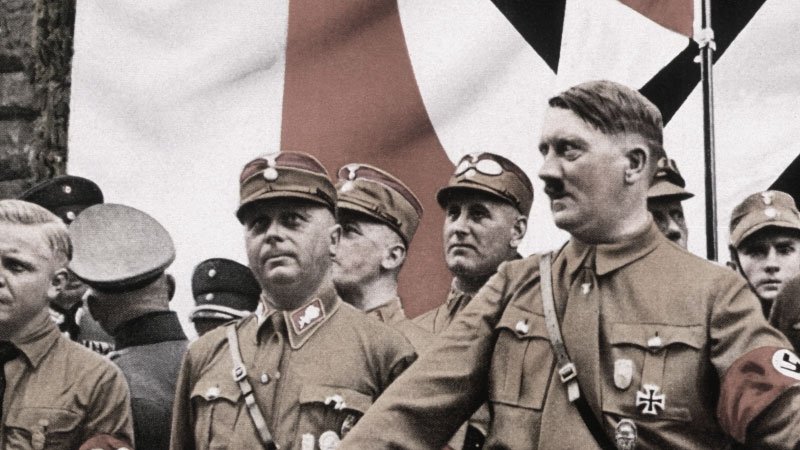
By 1944 and 1945, the Soviet Union had gained the upper hand. German forces were in retreat, and Soviet troops advanced into Eastern Europe. The final assault on Berlin marked the end of the war in Europe.
The capture of Berlin and Germany’s surrender in May 1945 confirmed the Soviet Union’s victory on the Eastern Front.
Russia’s victory over Germany in World War 2 was the result of multiple factors, including resilience, strategic adaptation, industrial strength, and the ability to endure extreme conditions. The Eastern Front played a crucial role in weakening Germany and ultimately led to its defeat.
Understanding this victory highlights the importance of planning, resources, and determination in overcoming even the most powerful adversaries.
Read Also: Social Network Website Design