The history of Mongolia is deeply connected with the vast grasslands of Central Asia and the powerful nomadic empires that shaped the region for centuries. Today Mongolia is divided into two regions known as Outer Mongolia and Inner Mongolia. While Outer Mongolia became the modern independent country of Mongolia, Inner Mongolia remains an autonomous region within China. Understanding the historical development of these two regions helps explain the political, cultural, and geographical differences that exist today.
Early Mongolian Tribes and Nomadic Culture
The history of both Outer and Inner Mongolia begins with the ancient nomadic tribes that lived across the Mongolian Plateau. These tribes were skilled horse riders and herders who depended on livestock such as sheep, horses, and camels for survival.
Several early nomadic groups such as the Xiongnu, Turkic tribes, and Khitan controlled the region at different times. They developed strong warrior cultures and often clashed with neighboring Chinese dynasties. Because of their mobility and military strength, these tribes were able to create powerful confederations that influenced the political landscape of East and Central Asia.
Nomadic culture played an important role in shaping Mongolian identity. Traditions such as yurts (portable tents), horseback archery, and clan-based leadership remained central to Mongolian society for centuries.
The Rise of the Mongol Empire
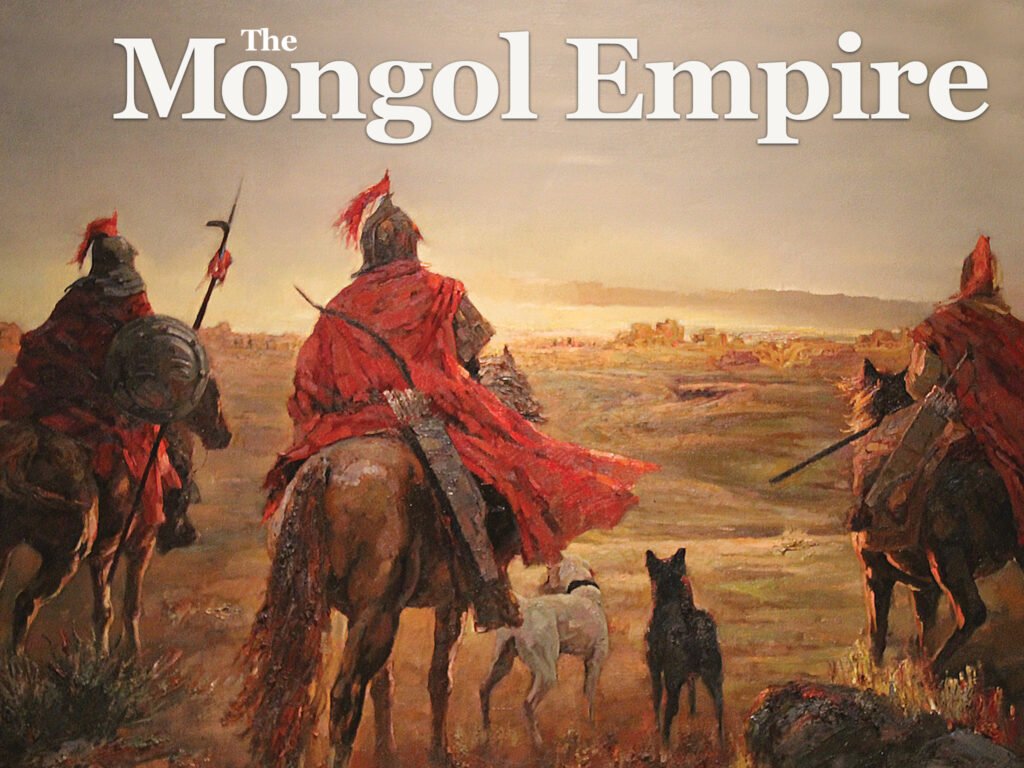
One of the most important turning points in Mongolian history came in the early 13th century with the rise of Genghis Khan. In 1206, he united the scattered Mongol tribes and established the powerful Mongol Empire.
Under his leadership and that of his successors, the Mongol Empire expanded rapidly across Asia and Europe. At its height, it became the largest contiguous land empire in history. Both Outer and Inner Mongolia served as the heartland of this empire, providing warriors, horses, and strategic leadership.
After the death of Genghis Khan, the empire eventually divided into several khanates. Although the empire weakened over time, the Mongols continued to play an influential role in regional politics.
Qing Dynasty Control Over Mongolia
By the 17th century, the Mongol territories came under the rule of the Qing Dynasty. The Qing rulers implemented administrative divisions that separated Mongolia into different regions.
Inner Mongolia was placed under closer control of the Qing government due to its proximity to China. The region saw increasing Chinese settlement and stronger political supervision.
Outer Mongolia, on the other hand, remained more remote and less populated by Chinese settlers. Local Mongol princes retained limited autonomy while still acknowledging Qing authority. This administrative distinction between the two regions later contributed to their different political futures.
Independence of Outer Mongolia
The fall of the Qing Dynasty in 1911 created an opportunity for political change across many territories. Taking advantage of the collapse of imperial rule, leaders in Outer Mongolia declared independence from China.
With support from the Soviet Union, Outer Mongolia gradually strengthened its political autonomy. In 1924, it officially became the Mongolia, also known as the Mongolian People’s Republic at that time.
During much of the 20th century, Mongolia maintained close political and economic ties with the Soviet Union. After the collapse of the Soviet Union in 1991, Mongolia transitioned into a democratic system and developed as an independent nation.
Inner Mongolia Within China
Unlike Outer Mongolia, Inner Mongolia remained under Chinese control after the fall of the Qing Dynasty. In 1947, the Chinese government established the Inner Mongolia Autonomous Region.
Although it is called an autonomous region, Inner Mongolia is governed as part of the China. The region has a mix of Mongolian and Han Chinese populations, and the Chinese language is widely used alongside the Mongolian language.
Inner Mongolia is known for its grasslands, livestock economy, and cultural traditions that still reflect Mongolian heritage. However, economic development, mining, and urbanization have significantly transformed the region.
Cultural Connections Between the Two Regions
Despite political separation, Outer and Inner Mongolia share many cultural similarities. Both regions maintain traditions such as horse racing, wrestling, and archery, which are celebrated during the famous Naadam Festival.
The Mongolian language, traditional music, throat singing, and nomadic customs remain important cultural elements in both areas. These shared traditions highlight the deep historical connection between the two regions.
The history of Outer and Inner Mongolia reflects centuries of political change, cultural development, and regional influence. From the rise of the Mongol Empire under Genghis Khan to the division during the Qing Dynasty and the modern political landscape, these two regions followed different paths.
Today, Outer Mongolia exists as the independent nation of Mongolia, while Inner Mongolia remains an autonomous region within China. Despite this division, their shared heritage and traditions continue to connect the Mongolian people across borders.
State Wise Food Culture in India
Read Also: Social Network Website Design