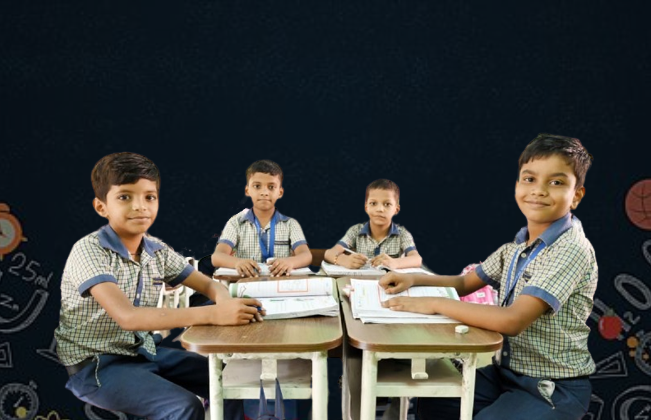
Formal education plays a crucial role in shaping individuals and societies. It refers to the structured system of learning that takes place in schools, colleges, and universities under the guidance of trained educators. From early childhood to higher education, this system provides students with essential knowledge, skills, and values needed to succeed in life. In today’s competitive world, formal education is more important than ever for personal and professional growth.
What is Formal Education?
Formal education is an organized and systematic process of learning that follows a specific curriculum. It is delivered in institutions such as primary schools, secondary schools, and higher education centers. This type of education is typically divided into different levels, including elementary, secondary, and tertiary education. Each level is designed to build upon the previous one, ensuring a gradual and comprehensive learning experience.
Importance of Formal Education
Formal education is vital for multiple reasons. First, it helps individuals acquire basic literacy and numeracy skills. Reading, writing, and mathematical abilities are fundamental for everyday life and career development. Second, it enhances critical thinking and problem-solving skills, enabling students to analyze situations and make informed decisions.
Another key benefit of formal education is social development. Schools provide an environment where students interact with peers from diverse backgrounds, helping them develop communication skills, teamwork, and empathy. These social skills are essential for building strong relationships and succeeding in the workplace.
Role of Formal Education in Career Development
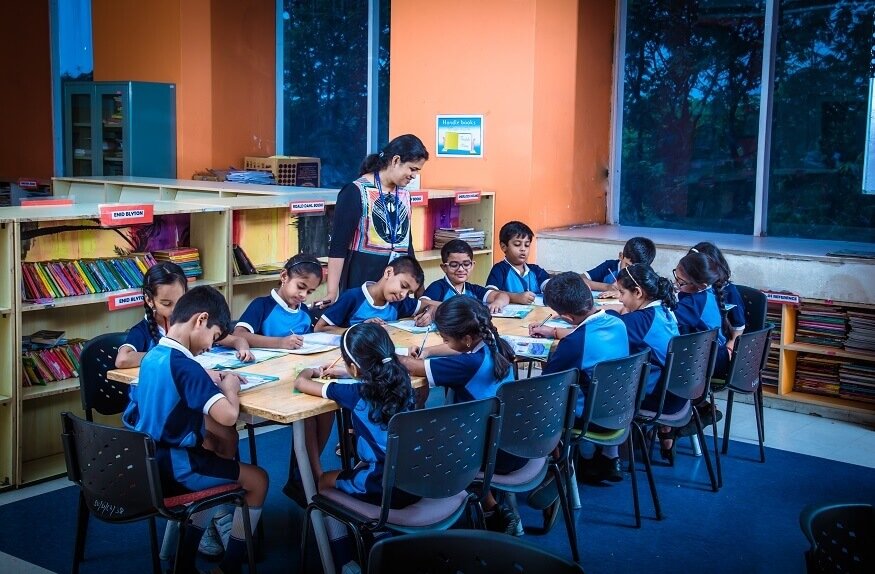
One of the primary purposes of formal educations is to prepare individuals for careers. Educational institutions provide specialized knowledge and training in various fields such as science, technology, business, and arts. Degrees and certifications obtained through formal education often serve as qualifications required by employers.
In addition, formal educations helps individuals discover their interests and strengths. Through various subjects and extracurricular activities, students can identify their passions and choose suitable career paths. This structured guidance is crucial for achieving long-term professional success.
Advantages of Formal Education
Formal education offers numerous advantages. It provides a recognized certification that validates a person’s knowledge and skills. This certification increases employment opportunities and earning potential. Moreover, it ensures a standardized level of education, maintaining quality and consistency across institutions.
Another advantage is access to experienced teachers and learning resources. Students benefit from expert guidance, libraries, laboratories, and modern technology, which enhance the overall learning experience. Formal education also promotes discipline and time management, as students follow a structured schedule and curriculum.
Challenges in Formal Education
Despite its benefits, formal education faces several challenges. One major issue is the lack of access to quality education in certain regions. Many students, especially in rural or underdeveloped areas, do not have adequate educational facilities. Additionally, the traditional education system sometimes focuses more on theoretical knowledge than practical skills.
Another challenge is the pressure associated with exams and academic performance. Students often experience stress due to high expectations, which can affect their mental health. Therefore, it is essential to create a balanced education system that supports both academic and emotional well-being.
Formal education is a cornerstone of personal and societal development. It equips individuals with essential knowledge, skills, and values needed to thrive in a rapidly changing world. While there are challenges that need to be addressed, the benefits of formal education far outweigh its limitations. By improving access, incorporating practical learning, and supporting student well-being, formal education can continue to empower future generations and contribute to global progress.
What is Virginity and How Do You Lose It
Gitanjali Rabindranath Tagore Books
Read Also: Education Website Design