
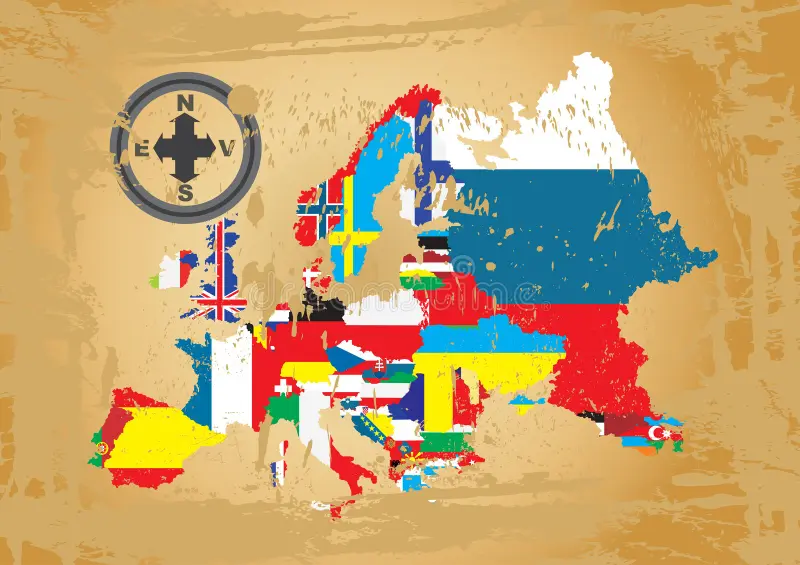
One of the most powerful economic and political unions in the world is the European Union (EU). It consists of 27 European countries that work together to promote peace, economic growth, and cooperation. Formed after the devastation of World War II, the EU has grown into a powerful organization that impacts global trade, politics, and social development. This article explores the member countries of the European Union and the fundamental principles that guide its functioning.
List of European Union Countries
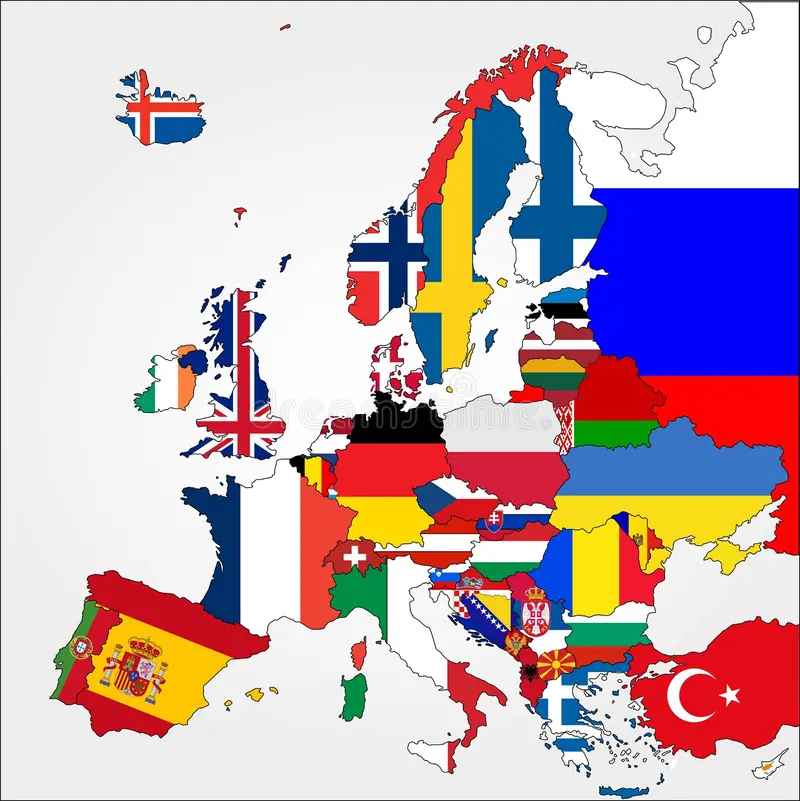
The European Union currently includes 27 member states. These countries are:
Austria, Belgium, Bulgaria, Croatia, Cyprus, Czech Republic, Denmark, Estonia, Finland, France, Germany, Greece, Hungary, Ireland, Italy, Latvia, Lithuania, Luxembourg, Malta, Netherlands, Poland, Portugal, Romania, Slovakia, Slovenia, Spain, and Sweden.
Each of these countries retains its sovereignty but agrees to follow common laws and policies that benefit the entire union. The EU allows free movement of people, goods, services, and capital among its member states, making it one of the largest single markets in the world.
History and Formation of the EU
The idea of the European Union Countries began as a way to ensure peace in Europe after World War II. It started with the European Coal and Steel Community in 1951, followed by the European Economic Community in 1957. Over time, more countries joined, and the union expanded its scope.
The Maastricht Treaty in 1993 officially established the European Union, introducing common policies on foreign affairs, security, and economic cooperation. Today, the EU continues to evolve, adapting to global challenges such as climate change, digital transformation, and economic crises.
Core Principles of the European Union
The European Union operates based on several key principles that ensure cooperation and stability among its member countries.
1. Democracy
Democracy is at the heart of the EU. All member states must have democratically elected governments. Citizens have the right to vote in European Parliament elections, ensuring representation at the EU level.
2. Rule of Law
The rule of law ensures that all EU countries follow agreed-upon laws and regulations. No country or individual is above the law, and decisions are made based on legal frameworks rather than arbitrary actions.
3. Human Rights
The EU strongly promotes and protects human rights. It ensures equality, freedom of expression, and protection against discrimination. The Charter of Fundamental Rights of the European Union outlines these rights clearly.
4. Economic Integration
One of the main goals of the EU is economic integration. By creating a single market, the EU removes trade barriers and allows businesses to operate freely across borders. This leads to increased economic growth and job opportunities.
5. Free Movement
The EU allows free movement of people, goods, services, and capital. Citizens can live, work, study, and travel in any EU country without restrictions, making it easier to explore opportunities across Europe.
6. Solidarity and Cooperation
EU countries support each other in times of need. Whether it is financial assistance during economic crises or collaboration during natural disasters, solidarity is a key principle that strengthens the union.
Benefits of the European Union
The European Union provides numerous benefits to its member countries and citizens. It promotes peace and stability, enhances economic growth, and creates opportunities for education and employment. Programs like Erasmus+ allow students to study abroad, while EU funding supports infrastructure and development projects.
Additionally, the EU plays a major role in global affairs, negotiating trade agreements and addressing international issues such as climate change and security.
Challenges Faced by the EU
Despite its successes, the EU faces several challenges. These include economic disparities between member states, political disagreements, migration issues, and external pressures like global competition. Events such as Brexit have also tested the unity of the union.
However, the EU continues to work towards strengthening cooperation and addressing these challenges through reforms and policy changes.
The European Union is a unique and powerful alliance of 27 countries committed to shared values and cooperation. Its principles of democracy, human rights, economic integration, and solidarity have helped create a stable and prosperous region. While challenges remain, the EU continues to play a crucial role in shaping the future of Europe and the world.
Read Also: Social Network Website Design