Fashion is more than fabric — it’s a cultural expression that reflects identity, tradition, and creativity. Around the world, women’s dresses vary in color, design, and meaning. Each country has its own unique style, often influenced by history, religion, and climate.
From India’s colorful saris to Japan’s elegant kimonos, the world of women’s clothing is as diverse as humanity itself. Let’s take a journey through different countries and explore the fascinating traditional and modern dresses that define women’s fashion globally.
India: The Grace of Saree and Salwar Kameez
In India, the saree is the most iconic women’s dress — a long piece of fabric wrapped elegantly around the body, usually paired with a fitted blouse. Each region has its own draping style and fabric, such as Banarasi silk, Kanjeevaram, or cotton handloom sarees.
Another popular attire is the salwar kameez, known for its comfort and versatility. With vibrant colors, embroidery, and patterns, Indian women’s dresses beautifully blend tradition and modernity.
Japan: The Timeless Kimono
The kimono is Japan’s traditional dress, symbolizing grace, respect, and cultural pride. Made from fine silk and often adorned with hand-painted designs, the kimono is worn on special occasions such as weddings, tea ceremonies, and festivals.
While modern Japanese women often wear Western clothing daily, the kimono remains an art form and cultural symbol of elegance and harmony.
China: The Classic Cheongsam (Qipao)
The cheongsam or qipao is a Chinese dress that represents femininity and sophistication. It became famous in the 1920s Shanghai era for its fitted silhouette and high collar. Traditionally made from silk with floral embroidery, it reflects Chinese artistry and refinement.
Today, modern versions of the cheongsam are worn for cultural celebrations and fashion events worldwide, showing how ancient designs can remain timeless.
France: The Epitome of Chic Fashion
France, especially Paris, is known as the fashion capital of the world. French women’s fashion emphasizes simplicity, elegance, and confidence.
From the timeless little black dress to modern haute couture gowns, French women’s style focuses on quality fabrics and minimalism. Designers like Chanel, Dior, and Louis Vuitton have defined women’s fashion globally.
Nigeria: The Vibrant Ankara and Gele
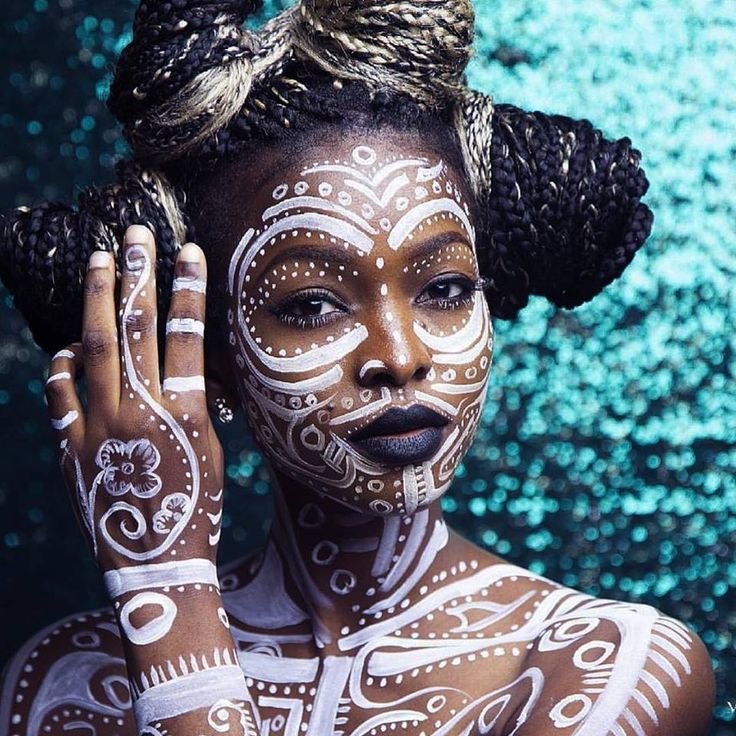
In Nigeria, women’s traditional fashion is full of life and color. The Ankara fabric, made with bold African prints, is used to create stunning dresses, skirts, and blouses.
Women also wear the Gele, a beautifully wrapped head tie, as a sign of cultural pride and beauty. These dresses are often worn at weddings, festivals, and celebrations, symbolizing community and identity.
Mexico: The Colorful Huipil and Traditional Embroidery
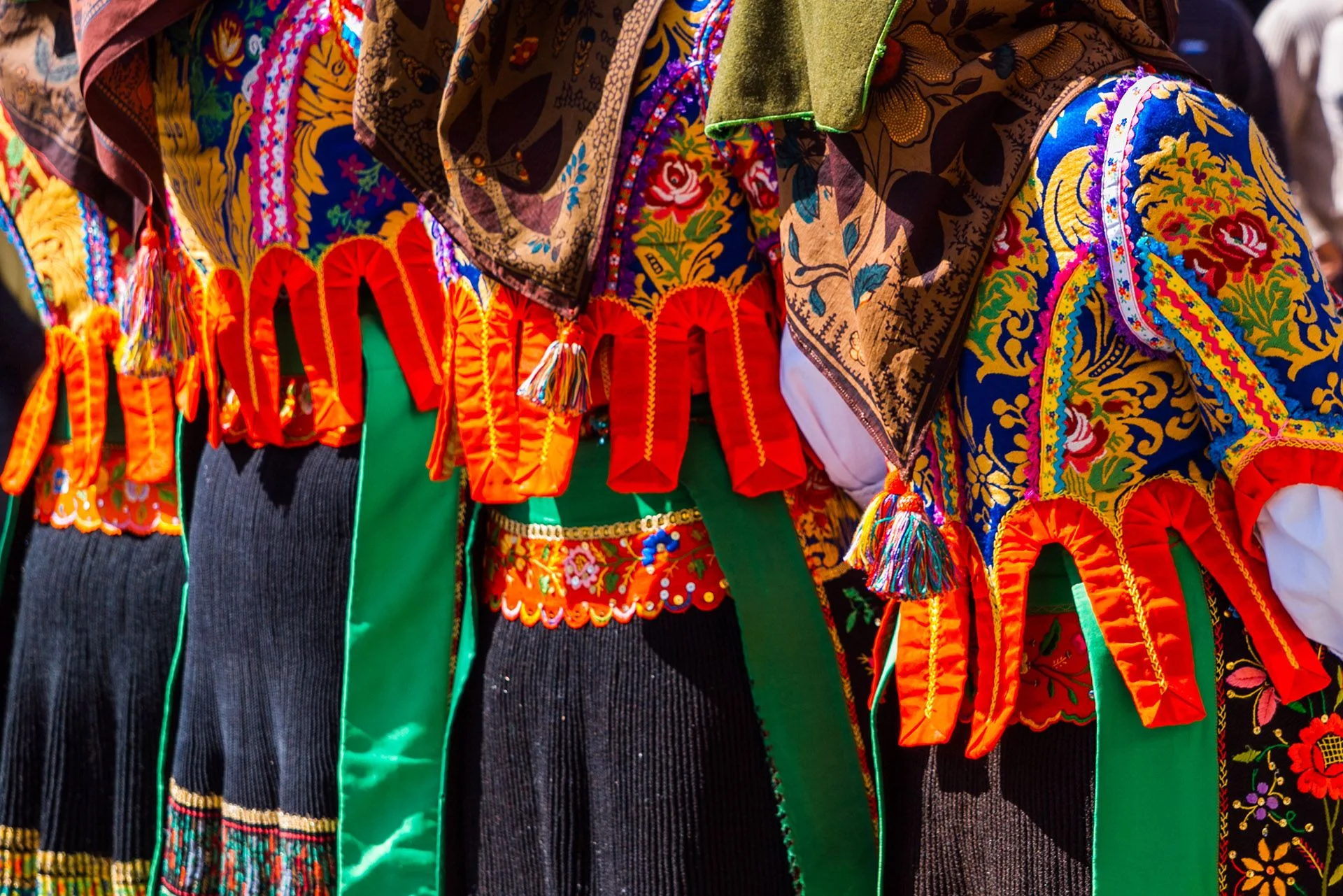
Mexican women’s traditional attire, such as the huipil, features bright colors and hand-stitched embroidery inspired by indigenous art. Each pattern tells a story about heritage, beliefs, and the local region.
In modern Mexico, women combine traditional elements with Western trends, creating a fusion of old and new styles that celebrate both history and individuality.
Korea: The Elegant Hanbok
The Hanbok is South Korea’s traditional dress, known for its vibrant colors and flowing design. Worn during national holidays, weddings, and cultural events, it represents purity, beauty, and respect.
Modern designers have introduced contemporary versions of the Hanbok, blending tradition with modern fashion sensibilities to make it more wearable for everyday use.
Global Influence: The Blend of Tradition and Modernity
Today’s fashion industry is global — designers often draw inspiration from traditional dresses around the world. From Indian prints on Western gowns to Japanese patterns on modern streetwear, global fashion reflects cultural exchange and creativity.
Despite modernization, traditional dresses remain deeply meaningful. They connect women to their roots, represent cultural pride, and showcase the beauty of diversity.
Conclusion: The World Wears Its Culture with Pride
The dresses of women in different countries are more than clothing — they are stories woven into fabric. Each outfit, whether a saree, kimono, or hanbok, carries centuries of culture and artistry.
As global fashion evolves, these traditional dresses continue to inspire designers and remind us that true style never fades — it only transforms.
Romantic Night Dress for Couple
Read Also : Boutique Saree website design