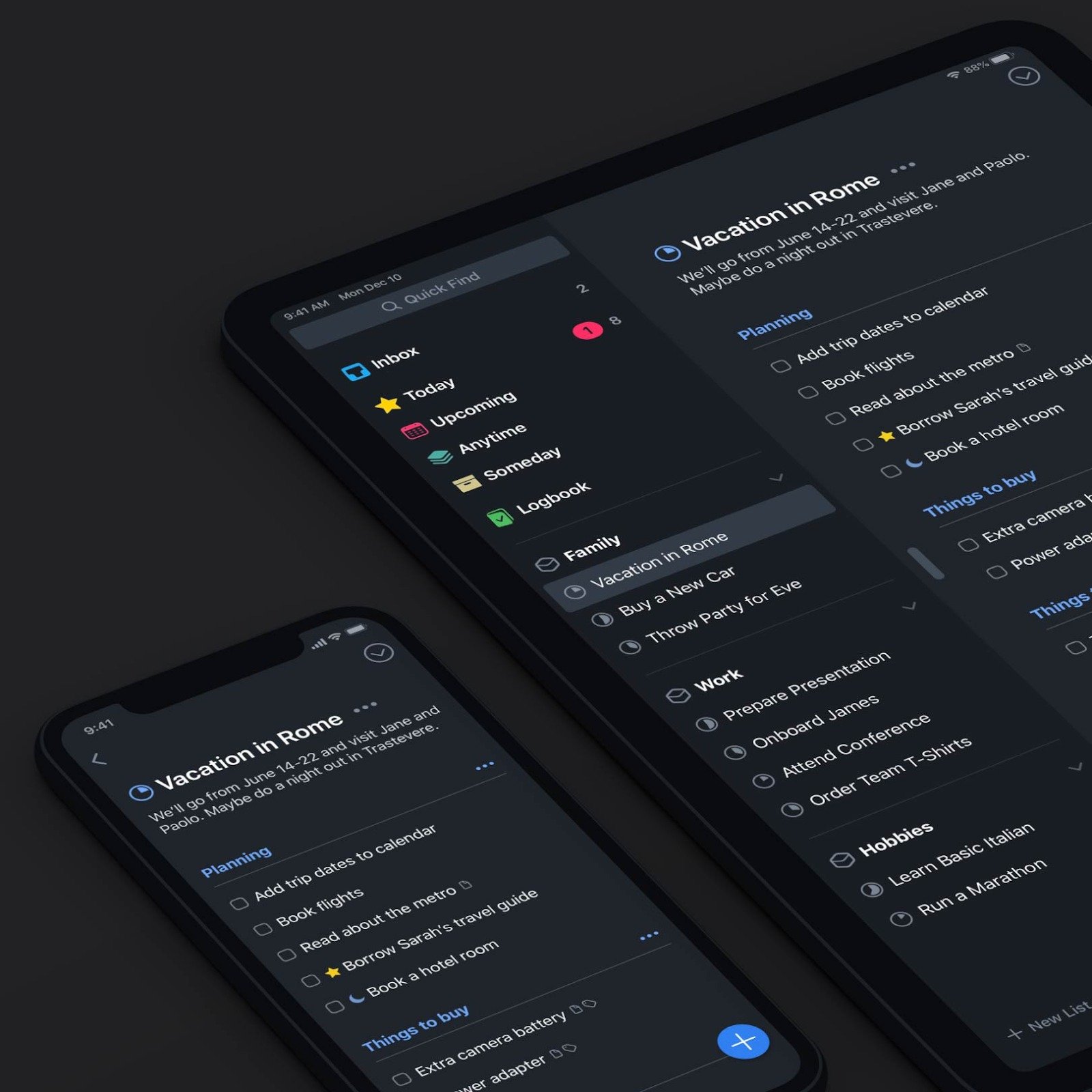
Dark Mode Design has become one of the most popular user interface (UI) trends in recent years. From mobile apps and websites to operating systems and software platforms, dark mode is now widely adopted by designers and users alike. Its growing popularity is driven by improved user comfort, battery efficiency, and modern aesthetics. In this article, we explore what dark mode design is, its benefits, best practices, and future trends.
What Is Dark Mode Design?
Dark Mode Design refers to a user interface style that uses dark backgrounds with light text and interface elements. Unlike traditional light mode, which displays dark text on a light background, dark mode reduces overall screen brightness while maintaining readability and usability. Popular platforms such as Android, iOS, Windows, macOS, and many websites now offer dark mode as an optional or default setting.
Benefits of Dark Mode Design

1. Reduced Eye Strain
One of the biggest advantages of dark mode design is reduced eye strain, especially in low-light environments. Dark backgrounds emit less light, making screens more comfortable for prolonged use, particularly at night.
2. Improved Battery Life
Dark mode can significantly improve battery performance on devices with OLED and AMOLED screens. Since these displays turn off individual pixels to produce black, dark mode consumes less power compared to light mode.
3. Enhanced Visual Appeal
Dark interfaces often appear modern, elegant, and visually striking. Many users associate dark mode with premium design and better focus, as it reduces visual clutter and highlights key content.
4. Better Accessibility
When implemented correctly, dark mode design can improve accessibility for users with light sensitivity or visual impairments. Proper contrast ratios and readable typography play a crucial role in achieving this benefit.
Best Practices for Dark Mode Design
Use True Dark Colors, Not Pure Black
While pure black (#000000) may seem ideal, it can cause eye fatigue. Instead, designers should use dark gray tones to maintain comfort and depth while preserving contrast.
Maintain Proper Contrast Ratios
Ensuring adequate contrast between text and background is essential for readability and accessibility. Designers should follow WCAG accessibility guidelines to ensure text remains legible for all users.
Avoid Over-Saturated Colors
Bright and highly saturated colors can appear harsh on dark backgrounds. Muted tones and softer accent colors work better and provide a more balanced visual experience.
Test Across Devices and Environments
Dark mode design should be tested on different screen types and lighting conditions. What looks good on one device may not perform well on another, making testing crucial for usability.
Dark Mode and SEO Considerations
Dark mode design does not directly impact search engine rankings. However, it improves user experience, which can indirectly benefit SEO. Lower bounce rates, longer session durations, and improved engagement metrics signal positive user behavior to search engines. Implementing dark mode without affecting page speed or content accessibility is key to maintaining strong SEO performance.
Future Trends in Dark Mode Design
The future of dark mode design looks promising. AI-driven adaptive themes, automatic switching based on ambient light, and personalized color schemes are expected to become more common. Designers are also focusing on hybrid modes that combine light and dark elements for enhanced usability.
As more users demand comfortable and customizable experiences, dark mode will continue to evolve beyond a trend into a standard design practice.
Dark Mode Design is more than just a visual preference—it enhances usability, accessibility, and device performance. By following best practices and understanding user needs, designers can create effective dark interfaces that are both functional and aesthetically pleasing. As technology advances, dark mode will remain an essential component of modern UI and UX design strategies.
Effects of AI in Upcoming Technology
Manhole – Essential Access Points in Urban Infrastructure
RCPC Manhole Covers and Frames
Read Also : Social Network Website Design