The rapid growth of connected devices has led to the rise of the Internet of Things (IoT), a technology that is reshaping how people interact with the digital and physical worlds. From smart homes and wearable devices to industrial automation and healthcare systems, IoT is connecting everyday objects to the internet, enabling them to collect, share, and act on data. This transformation is improving efficiency, productivity, and quality of life across industries.
What Are Connected Devices?
Connected devices are physical objects embedded with sensors, software, and communication technologies that allow them to connect to the internet or other networks. These devices can send and receive data without human intervention. Examples include smartphones, smart TVs, fitness trackers, smart thermostats, connected cars, and industrial sensors.
When these devices work together within a network, they form the foundation of the Internet of Things. The true value of connected devices lies in their ability to analyze real-time data and automate processes based on that information.
Understanding the Internet of Things (IoT)
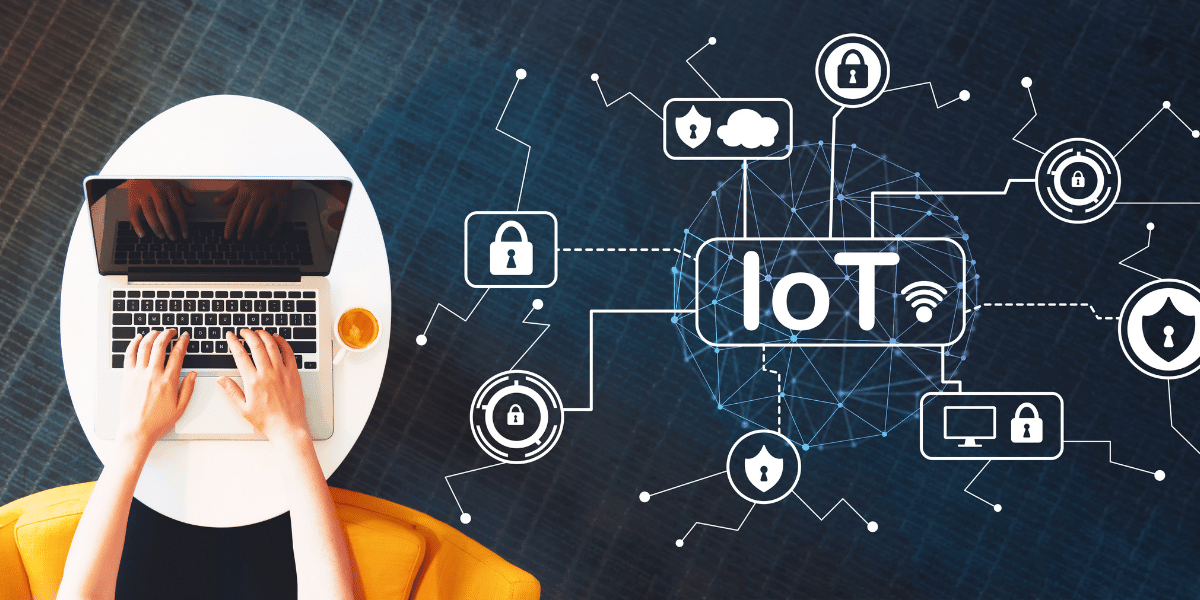
The Internet of Things (IoT) refers to a network of interconnected devices that communicate with each other over the internet. These devices use technologies such as Wi-Fi, Bluetooth, cellular networks, and cloud computing to exchange data.
IoT systems typically consist of three main components:
- Devices and sensors that collect data
- Connectivity that transmits data to the cloud
- Data processing and analytics that convert data into actionable insights
This seamless interaction enables smarter decision-making and automation across various applications.
Key Applications of IoT and Connected Devices
Smart Homes
Smart home devices like intelligent lighting, security cameras, voice assistants, and smart appliances allow homeowners to control their environment remotely. These connected devices improve comfort, security, and energy efficiency while reducing utility costs.
Healthcare and Wearables
In healthcare, IoT plays a vital role through wearable devices and remote patient monitoring systems. Smartwatches and fitness trackers monitor heart rate, activity levels, and sleep patterns, helping users and healthcare providers track health conditions in real time.
Industrial IoT (IIoT)
Industrial IoT is transforming manufacturing, logistics, and supply chain management. Connected sensors monitor machinery performance, predict equipment failures, and optimize production processes, reducing downtime and operational costs.
Smart Cities
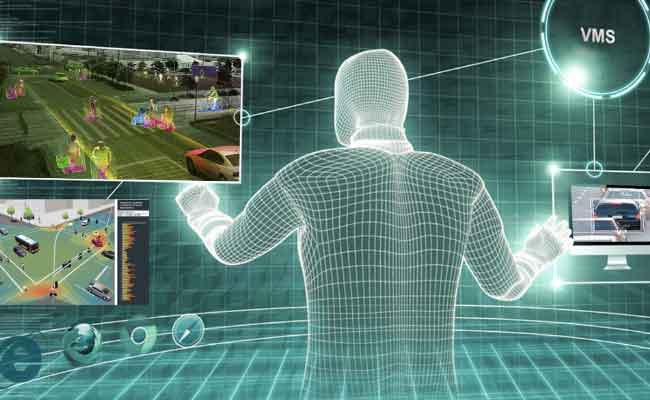
IoT is helping build smart cities by managing traffic systems, waste collection, water supply, and energy consumption. Connected infrastructure improves sustainability, public safety, and urban planning.
Benefits of Connected Devices and IoT
The widespread adoption of IoT offers several benefits:
- Improved efficiency through automation and real-time monitoring
- Cost savings by reducing energy consumption and maintenance expenses
- Enhanced user experience with personalized and intelligent services
- Better decision-making using data-driven insights
Businesses gain a competitive advantage by using IoT solutions to optimize operations and improve customer engagement.
Security and Privacy Challenges

Despite its advantages, IoT also presents security and privacy concerns. Connected devices are vulnerable to cyberattacks if not properly secured. Data breaches, unauthorized access, and weak authentication can pose serious risks.
To address these challenges, companies must implement strong encryption, regular software updates, and secure network protocols. Users should also be aware of privacy settings and device security best practices.
The Future of IoT and Connected Technology
The future of connected devices and the Internet of Things looks promising. With advancements in 5G networks, artificial intelligence, and edge computing, IoT systems will become faster, smarter, and more reliable. These innovations will enable real-time data processing and support billions of connected devices worldwide.
As IoT continues to evolve, it will play a crucial role in driving digital transformation, improving efficiency, and creating smarter environments for individuals and businesses alike.
Effects of AI in Upcoming Technology
Manhole – Essential Access Points in Urban Infrastructure
RCPC Manhole Covers and Frames
Read Also: Social Network Website Design