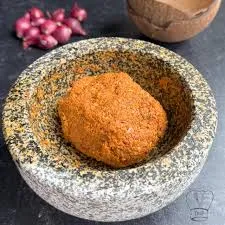
Chammanthi is a traditional South Indian chutney, deeply rooted in Kerala cuisine. Simple yet bold in flavor, this dish is known for its fresh ingredients, fiery taste, and versatility. Often served as a side dish with rice, dosa, idli, or kanji (rice porridge), Chammanthi is loved for its rustic preparation and authentic aroma. Unlike smooth coconut chutney, Chammanthi usually has a coarse texture that enhances its homemade appeal.
What Is Chammanthi?
Chammanthi is a dry or semi-dry chutney made primarily from grated coconut, green chilies, shallots, and spices. It can be prepared by hand-grinding or lightly blending, which preserves its chunky texture. In Kerala households, Chammanthi is not just a condiment—it’s comfort food that brings back memories of traditional meals served on banana leaves.
There are several regional and family variations of Chammanthi, each offering a unique balance of heat, tanginess, and earthiness.
Key Ingredients Used in Chammanthi
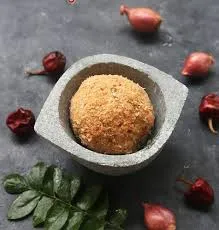
The beauty of Chammanthi lies in its simplicity. Common ingredients include:
- Fresh grated coconut
- Green chilies or dry red chilies
- Shallots or small onions
- Tamarind or lemon juice (for tanginess)
- Salt to taste
- Coconut oil (optional but traditional)
Some versions also include garlic, curry leaves, or roasted spices to enhance flavor.
Popular Types of Chammanthi
1. Coconut Chammanthi
This is the most common version, made with raw coconut, green chilies, and shallots. It has a fresh, mildly spicy taste and pairs well with steamed rice.
2. Red Chammanthi
Prepared using dry red chilies, this version is spicier and has a deeper flavor. It is often mixed with coconut oil and enjoyed with kanji or boiled tapioca.
3. Garlic Chammanthi
Garlic lovers adore this variation. Raw or lightly roasted garlic adds a sharp, pungent taste that elevates the chutney.
4. Roasted Chammanthi
In this version, coconut and chilies are lightly roasted before grinding, giving the chutney a smoky aroma and longer shelf life.
Health Benefits of Chammanthi
Chammanthi is not only tasty but also nutritious when eaten in moderation.
- Rich in healthy fats: Coconut provides medium-chain fatty acids that support energy and metabolism.
- Aids digestion: Shallots and chilies help stimulate digestion.
- Natural and preservative-free: Homemade Chammanthi contains no artificial additives.
- Supports immunity: Ingredients like garlic and chilies have antimicrobial properties.
When prepared fresh, Chammanthi can be a wholesome addition to everyday meals.
How Chammanthi Is Traditionally Served
In Kerala cuisine, Chammanthi is often served as a side dish with:
- Steamed rice and ghee
- Kanji (rice porridge)
- Dosa or idli
- Boiled tapioca (kappa)
- Chapati or flatbread (modern adaptation)
A drizzle of fresh coconut oil on top enhances the taste and aroma.
Why Chammanthi Is Gaining Popularity
With the growing interest in regional and traditional Indian foods, Chammanthi is gaining attention beyond South India. Its quick preparation, minimal ingredients, and bold flavors make it ideal for modern kitchens. Food lovers looking for vegan, gluten-free, and natural condiments are rediscovering Chammanthi as a healthy alternative to store-bought sauces.
Chammanthi is more than just a chutney—it is a reflection of South India’s rich culinary heritage. Its simple ingredients, robust flavors, and comforting nature make it a timeless dish. Whether you enjoy it spicy, tangy, or mild, Chammanthi brings authenticity and warmth to every meal. If you love traditional flavors with a homemade touch, Chammanthi deserves a place on your plate.
State Wise Food Culture in India
Worldwide Famous Spices of India
Read Aslo: Recipe Cuisine