Introduction: The Mandalorian, a groundbreaking series set in the beloved Star Wars universe, has taken […]


Indian politics is a complex and dynamic landscape, shaped by a diverse range of factors, from social and cultural issues to economic and geopolitical realities. As the world’s largest democracy, India’s political system is constantly evolving, with new parties and movements emerging to challenge established norms and power structures.
One of the defining features of Indian politics is the diversity of its population, with people from a range of ethnic, linguistic, and religious backgrounds living together. This has led to the emergence of a range of identity-based movements, with different groups seeking to assert their rights and interests within the political system.
At the same time, India is also home to a range of political ideologies, from socialist and communist movements to more right-wing nationalist parties. These different political currents are often in conflict, with fierce debates over issues such as economic policy, social justice, and foreign relations.
Despite these challenges, India’s democratic system has shown remarkable resilience over the years, with regular elections held at all levels of government. However, there are also concerns about the quality of democracy in India, with allegations of corruption, vote-buying, and political violence being common.
One of the key issues in Indian politics today is the rise of Hindu nationalism, with the Bharatiya Janata Party (BJP) and its leader Narendra Modi leading the charge. While the BJP has enjoyed considerable electoral success in recent years, there are also concerns about its impact on India’s secular identity, as well as its treatment of minority groups such as Muslims.
Looking to the future, Indian politics is likely to be shaped by a range of issues, from economic growth and social justice to geopolitical tensions with neighboring countries such as China and Pakistan. As always, the challenge will be to balance the competing interests and demands of different groups, while maintaining the integrity and legitimacy of India’s democratic system.
Introduction: The Mandalorian, a groundbreaking series set in the beloved Star Wars universe, has taken […]
The Potential of Green Infrastructure in Urban Planning and Design: In recent years, the concept […]
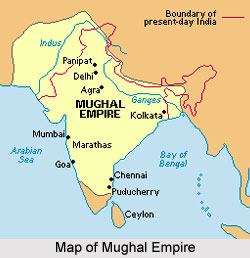
The Mughal Empire was one of the most powerful empires in India’s history, and it […]
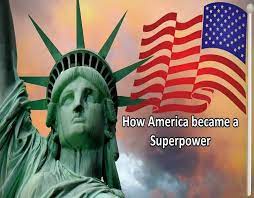
How America became the No.1 Superpower: The United States of America is widely regarded as […]
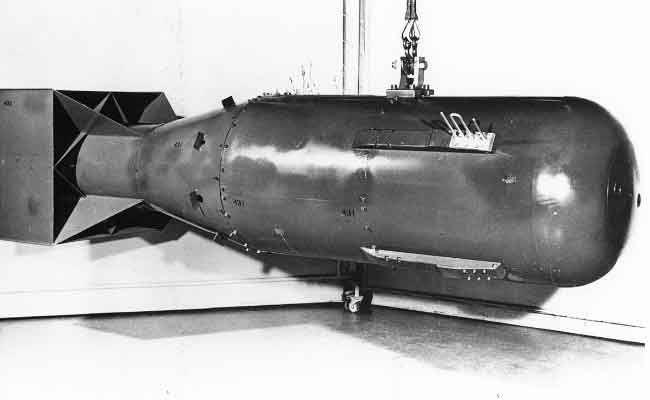
Nuclear Weapon: The development of nuclear weapons represents one of the most significant advancements in […]
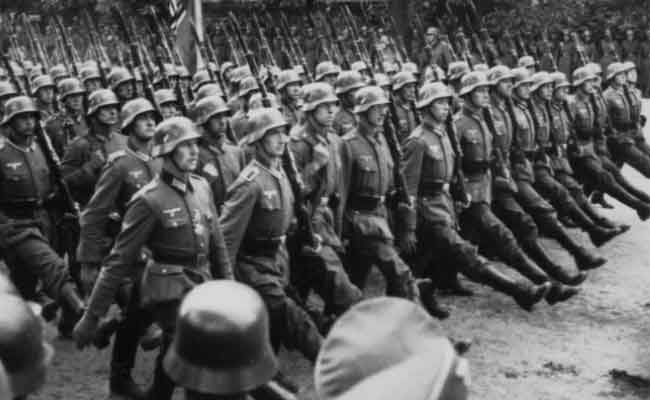
World War II: World War II was one of the deadliest and most catastrophic wars […]
World War I: World War I, also known as the Great War, was a global […]
Introduction The Communist Party of India (Marxist), or CPI(M), is a political party in India […]
Mission Nirmal Bangla: An Ambitious Effort Towards Cleanliness in West Bengal Mission Nirmal Bangla is […]
Safe Drive Save Life: The Initiative for a Safer Tomorrow Safe Drive Save Life is […]