
Artificial Intelligence (AI) has become a driving force behind digital transformation across industries. From automating routine tasks to enabling data-driven decision-making, AI functionalities are reshaping how organizations operate and how individuals interact with technology. This article explores the core functionalities of AI and their real-world impact.
Understanding AI Functionalities
AI functionalities refer to the capabilities that allow machines to simulate human intelligence. These include learning from data, recognizing patterns, understanding language, and making predictions. Unlike traditional software, AI systems improve over time through experience, making them more efficient and accurate.
Modern artificial intelligence functionalities are powered by advanced algorithms, large datasets, and high computing power, allowing AI to solve complex problems at scale.
Machine Learning and Predictive Analysis
Machine Learning (ML) is one of the most important AI functionalities. It enables systems to learn from historical data and improve performance without being explicitly programmed.
Predictive analysis uses machine learning models to forecast future outcomes, such as customer behavior, market trends, or equipment failures. Businesses use this functionality to optimize operations, reduce risks, and make informed strategic decisions. For example, e-commerce platforms use predictive AI to recommend products and personalize user experiences.
Natural Language Processing (NLP)
Natural Language Processing allows AI systems to understand, interpret, and generate human language. NLP is behind popular applications such as chatbots, voice assistants, translation tools, and sentiment analysis software.
This AI functionality improves communication between humans and machines. Companies use NLP to analyze customer feedback, automate customer support, and extract insights from unstructured text data such as emails, documents, and social media posts.
Computer Vision and Image Recognition
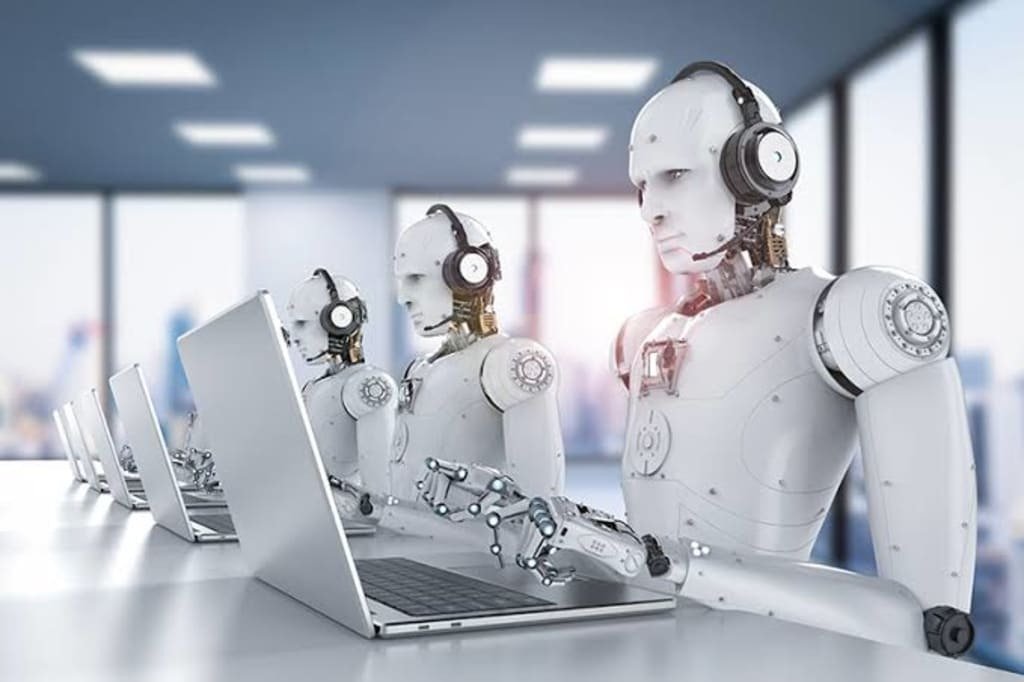
Computer vision is an AI functionality that enables machines to interpret and analyze visual information from images and videos. It is widely used in facial recognition, object detection, medical imaging, and autonomous vehicles.
In healthcare, computer vision helps doctors detect diseases from X-rays and MRI scans with higher accuracy. In retail, it supports inventory management and customer behavior analysis. This functionality significantly enhances automation and precision across industries.
Automation and Intelligent Decision-Making
AI-powered automation goes beyond simple rule-based processes. Intelligent automation combines AI functionalities such as machine learning and data analysis to make real-time decisions.
Businesses use AI automation to streamline workflows, reduce human error, and increase productivity. Examples include robotic process automation (RPA), fraud detection systems, and smart supply chain management. These systems adapt to changing conditions, making them more efficient than traditional automation tools.
Personalization and Recommendation Systems
Personalization is a key AI functionality that enhances user engagement. AI analyzes user preferences, behavior, and interaction history to deliver tailored content and recommendations.
Streaming platforms, online retailers, and digital marketing tools rely heavily on AI-driven recommendation systems. This functionality improves customer satisfaction, increases conversions, and strengthens brand loyalty.
The Future of AI Functionalities
As AI technology continues to evolve, its functionalities will become more advanced and accessible. Future developments will focus on ethical AI, explainable models, and better human-AI collaboration.
Organizations that adopt AI functionalities responsibly will gain a competitive advantage while driving innovation and efficiency.
AI functionalities are transforming industries by enabling smarter automation, deeper insights, and personalized experiences. From machine learning and NLP to computer vision and intelligent decision-making, artificial intelligence is redefining what technology can achieve. As AI adoption grows, understanding its core functionalities is essential for businesses and individuals aiming to thrive in the digital era.
Effects of AI in Upcoming Technology
Manhole – Essential Access Points in Urban Infrastructure
RCPC Manhole Covers and Frames
Read Also : Social Network Website Design